


She notes that Vitamin D deficiency is a pervasive issue, affecting millions of people worldwide. They are at risk of developing serious health problems, including osteoporosis and heart disease. He emphasizes that understanding the symptoms and causes of Vitamin D deficiency is important for prevention and treatment. For more information, she suggests visiting Vitamin D deficiency resources to learn about the potential health risks associated with this condition.

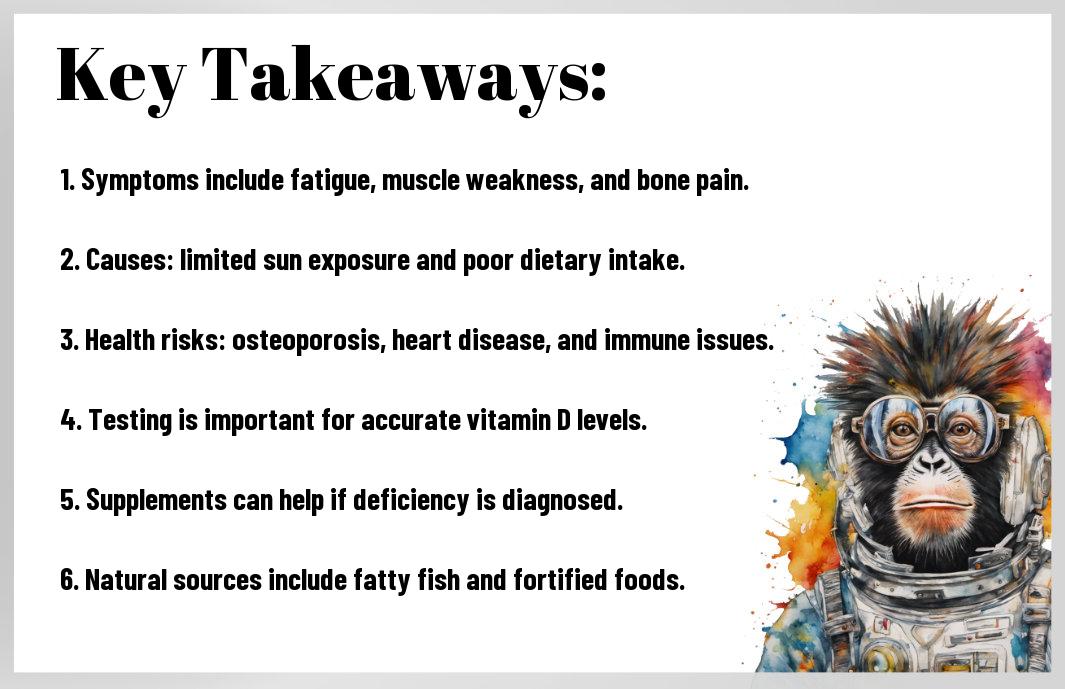
Key Takeaways:
To understand the implications of Vitamin D Deficiency, it’s important to consider the following points:
- The symptoms of Vitamin D Deficiency can be subtle, but may include fatigue, muscle weakness, and bone pain, highlighting the need for awareness and early detection to prevent long-term health risks.
- The causes of Vitamin D Deficiency are varied, including limited sun exposure, poor diet, and certain medical conditions, making it important to identify and address these factors to maintain adequate Vitamin D levels.
- Untreated Vitamin D Deficiency can lead to significant health risks, such as osteoporosis, diabetes, and cardiovascular disease, emphasizing the importance of prevention and treatment strategies to mitigate these risks and promote overall wellbeing.
Symptoms of Vitamin D Deficiency
A vitamin D deficiency can manifest in various ways, and he is likely to experience a range of symptoms that can impact his daily life. They may not always be aware that they have a deficiency, as the symptoms can be subtle and nonspecific. However, early detection and treatment are crucial to prevent long-term health consequences. He should be aware of the potential symptoms and consult a healthcare professional if they experience any of them.
Physical Symptoms
Behind the scenes, a vitamin D deficiency can cause a range of physical symptoms that can affect his overall health and wellbeing. She may experience muscle weakness, bone pain, and fatigue, which can make it difficult to perform daily activities. They may also notice changes in their skin, such as dryness, itching, or a rash, and hair loss can also occur. In severe cases, a vitamin D deficiency can lead to osteoporosis, a condition characterized by brittle and fragile bones that are prone to fractures.
Additionally, he may experience gastrointestinal symptoms, such as nausea, vomiting, and diarrhea, which can lead to malabsorption of nutrients. They may also notice changes in their appetite and weight, and headaches can also occur. It is crucial to seek medical attention if he experiences any of these symptoms, as prompt treatment can help alleviate them and prevent long-term complications.
Psychological Symptoms
Vitally, a vitamin D deficiency can also have a significant impact on mental health, and she may experience depression, anxiety, and mood swings. They may feel irritable and restless, and insomnia can also occur. In severe cases, a vitamin D deficiency can lead to seasonal affective disorder, a condition characterized by depression and fatigue during the winter months.
Very importantly, they may also experience cognitive impairment, including difficulty concentrating and memory loss. He may feel disconnected and isolated, and social withdrawal can also occur. It is crucial to seek medical attention if he experiences any of these symptoms, as prompt treatment can help alleviate them and prevent long-term complications.
Understanding the psychological symptoms of vitamin D deficiency is crucial for providing effective treatment and support. He should be aware that vitamin D plays a critical role in regulating mood and cognitive function, and a deficiency can have a significant impact on mental health. By addressing the underlying deficiency, he can help alleviate psychological symptoms and improve his overall wellbeing. Early detection and treatment are key to preventing long-term complications and promoting optimal health.
Causes of Vitamin D Deficiency
Even the most seemingly healthy individuals can suffer from vitamin D deficiency, and it is crucial to understand the underlying causes of this condition. He notes that the primary reasons for vitamin D deficiency can be broadly categorized into several factors, including limited sun exposure, dietary factors, and certain medical conditions. They emphasize that recognizing these causes is vital for preventing and treating vitamin D deficiency.
Limited Sun Exposure
Behind the scenes of vitamin D production, sunlight plays a significant role. She explains that when the skin is exposed to sunlight, it produces vitamin D through a process involving ultraviolet B (UVB) rays. However, limited sun exposure can lead to inadequate vitamin D production, increasing the risk of deficiency. They point out that individuals who spend most of their time indoors, live in areas with limited sunlight, or wear protective clothing that covers their skin are more likely to experience vitamin D deficiency.
Furthermore, he notes that the use of sunscreen can also contribute to limited sun exposure, as it blocks UVB rays and reduces vitamin D production. They highlight that while sunscreen is crucial for protecting against skin cancer, it is vital to strike a balance between sun protection and vitamin D production. He emphasizes that individuals should consult with their healthcare provider to determine the best approach for maintaining adequate vitamin D levels while minimizing the risk of skin cancer.
Dietary Factors
An analysis of dietary habits reveals that they play a significant role in vitamin D deficiency. He notes that a diet lacking vitamin D-rich foods, such as fatty fish, fortified dairy products, and egg yolks, can contribute to deficiency. The following dietary factors can increase the risk of vitamin D deficiency:
- Vegan diet: lacking animal-based sources of vitamin D
- Vegetarian diet: limited animal-based sources of vitamin D
- Low fat diet: reduced absorption of fat-soluble vitamin D
Any individual with a restricted diet should consult with their healthcare provider to determine the best approach for maintaining adequate vitamin D levels.
Hence, a thorough understanding of dietary factors is crucial for preventing and treating vitamin D deficiency. He highlights that the following dietary adjustments can help increase vitamin D levels:
- Consuming vitamin D-rich foods, such as fatty fish and fortified dairy products
- Taking vitamin D supplements as directed by a healthcare provider
- Maintaining a balanced diet that includes a variety of whole foods
Any individual who is concerned about their vitamin D levels should consult with their healthcare provider to determine the best course of action for maintaining optimal vitamin D levels and overall health.

Health Risks Associated with Vitamin D Deficiency
Unlike other nutrients, vitamin D plays a unique role in maintaining overall health, and its deficiency can have far-reaching consequences. He notes that a lack of vitamin D can lead to a range of health problems, from mild to severe. They are more likely to experience bone disorders, cardiovascular disease, and even cognitive impairment. She emphasizes that it is imperative to understand the health risks associated with vitamin D deficiency to take preventive measures and maintain optimal levels of this vital nutrient.
He highlights that vitamin D deficiency can have a significant impact on various aspects of health, and it is imperative to address this issue to prevent long-term damage. They point out that the consequences of vitamin D deficiency can be devastating, and it is vital to take action to maintain adequate levels of this imperative nutrient. She stresses that a well-informed approach to vitamin D deficiency can help mitigate its harmful effects and promote overall well-being.
Bone Health
Against the backdrop of a vitamin D deficiency, he notes that bone health is particularly vulnerable. They are more likely to experience osteoporosis, osteopenia, and fractures, which can significantly impact their quality of life. She emphasizes that vitamin D plays a critical role in maintaining strong bones, and its deficiency can lead to brittle and fragile bones.
Agains the consequences of vitamin D deficiency, he stresses that it is imperative to maintain adequate levels of this nutrient to support bone health. They point out that regular exercise and a balanced diet can help mitigate the effects of vitamin D deficiency on bone health. She highlights that supplementation can also be an effective way to address vitamin D deficiency and promote strong and healthy bones.
Cardiovascular Health
Risks associated with vitamin D deficiency can also have a significant impact on cardiovascular health, he notes. They are more likely to experience high blood pressure, heart disease, and stroke, which can be life-threatening. She emphasizes that vitamin D plays a vital role in maintaining healthy blood vessels and preventing cardiovascular disease.
Relying on the evidence, he highlights that vitamin D deficiency can lead to inflammation and oxidative stress, which can damage blood vessels and increase the risk of cardiovascular events. They point out that lifestyle modifications, such as regular physical activity and a healthy diet, can help mitigate the effects of vitamin D deficiency on cardiovascular health. She stresses that monitoring vitamin D levels and addressing deficiency can help prevent cardiovascular disease and promote overall health.
Even more concerning, he notes that vitamin D deficiency can also increase the risk of cardiac arrhythmias and sudden cardiac death. They emphasize that it is imperative to address vitamin D deficiency to prevent these severe and potentially life-threatening consequences. She highlights that early intervention and treatment can help mitigate the effects of vitamin D deficiency on cardiovascular health and promote long-term health and well-being. He stresses that public health initiatives can also play a vital role in preventing vitamin D deficiency and promoting cardiovascular health.
Diagnosis and Testing
Despite the prevalence of vitamin D deficiency, diagnosis can be a complex process. He notes that a combination of physical examinations, medical history, and blood tests are necessary to determine the presence and severity of the deficiency. She emphasizes that early detection is important for preventing long-term health consequences, such as osteoporosis and cardiovascular disease. They stress that a thorough diagnosis is vital for developing an effective treatment plan.
Blood Tests
About the various methods used to diagnose vitamin D deficiency, he explains that blood tests are the most reliable way to measure vitamin D levels. She notes that there are two types of blood tests: 25-hydroxyvitamin D (25(OH)D) test and 1,25-dihydroxyvitamin D (1,25(OH)2D) test. They highlight that the 25(OH)D test is the most commonly used test, as it measures the level of vitamin D in the blood and is a good indicator of an individual’s overall vitamin D status.
Physical Examination
Across various medical specialties, physical examinations play a significant role in diagnosing vitamin D deficiency. He observes that a physical examination can reveal signs of vitamin D deficiency, such as muscle weakness and bone pain. She notes that a thorough physical examination can also help identify other health problems that may be contributing to the deficiency, such as kidney or liver disease. They emphasize that a physical examination is an important part of the diagnostic process, as it can help healthcare providers develop a comprehensive understanding of an individual’s overall health.
Plus, during a physical examination, healthcare providers may also look for signs of rickets or osteomalacia, which are conditions caused by severe vitamin D deficiency. He explains that these conditions can cause softening of the bones, leading to fractures and other serious health problems. She highlights that early detection and treatment of vitamin D deficiency can help prevent these conditions, and improve overall health outcomes. They stress that a combination of blood tests and physical examinations is the most effective way to diagnose and manage vitamin D deficiency.
Treatment and Management
To effectively manage vitamin D deficiency, he needs to adopt a comprehensive approach that incorporates various treatment options. She can start by consulting a healthcare professional to determine the best course of action. They will assess the severity of the deficiency and develop a personalized plan to address the issue.
Supplements and Medications
Medically, medications and supplements are often prescribed to treat vitamin D deficiency. He may be advised to take high-dose vitamin D supplements to rapidly increase his vitamin D levels. She should be aware that over supplementation can lead to toxicity, so it is crucial to follow the recommended dosage. They must also be cautious when taking medications that interact with vitamin D, such as anticonvulsants and steroids, as these can exacerbate the deficiency.
She may need to take calcium supplements in conjunction with vitamin D to support bone health. He should be aware that excessive calcium intake can lead to kidney stone formation, so it is crucial to monitor his calcium levels. They must also consider potential side effects of vitamin D supplements, such as nausea, vomiting, and diarrhea, and adjust their treatment plan accordingly.
Lifestyle Changes
Among the most effective ways to manage vitamin D deficiency is by making lifestyle changes. He can start by increasing his exposure to sunlight, as this is the most natural way to produce vitamin D. She should also consume vitamin D-rich foods, such as fatty fish, egg yolks, and fortified dairy products, to support her vitamin D levels. They can also incorporate physical activity into their daily routine, as this can help improve their overall health and well-being.
Also, they should be aware that maintaining a healthy weight is crucial for managing vitamin D deficiency, as excess body fat can lead to vitamin D deficiency. He can achieve this by eating a balanced diet and engaging in regular exercise. By making these lifestyle changes, she can significantly reduce her risk of developing vitamin D deficiency-related health problems, such as osteoporosis, diabetes, and cardiovascular disease.
Prevention Strategies
Many individuals are unaware of the simple yet effective ways to prevent vitamin D deficiency. He notes that a combination of dietary modifications, sun exposure, and supplements can help maintain optimal vitamin D levels. They emphasize the importance of being proactive in preventing vitamin D deficiency, as it can have severe consequences on overall health. She highlights that prevention is key, especially for individuals who are at a higher risk of deficiency, such as those with limited sun exposure, dark skin, or certain medical conditions.
He stresses that prevention strategies should be tailored to an individual’s specific needs and circumstances. They point out that a well-balanced diet and a healthy lifestyle can go a long way in preventing vitamin D deficiency. She notes that it is crucial to be aware of the risks associated with vitamin D deficiency, such as osteoporosis, diabetes, and cardiovascular disease, and take proactive steps to prevent them.
Dietary Modifications
The most effective way to prevent vitamin D deficiency through diet is to consume foods that are rich in vitamin D, such as fatty fish, egg yolks, and fortified dairy products. He recommends that individuals include these foods in their diet to help maintain optimal vitamin D levels. They note that vegetarians and vegans may need to rely on fortified foods or supplements to get enough vitamin D, as they often have limited access to animal-based sources of the vitamin.
The importance of dietary modifications cannot be overstated, as a deficient diet can lead to a range of health problems. She emphasizes that individuals should strive to consume a balanced diet that includes a variety of vitamin D-rich foods to help prevent deficiency. He notes that food fortification is also an effective way to increase vitamin D intake, particularly in countries where vitamin D deficiency is prevalent.
Sun Exposure and Safety
Among the most effective ways to prevent vitamin D deficiency is through moderate sun exposure. He notes that exposure to sunlight triggers the production of vitamin D in the skin, which is crucial for maintaining optimal levels. They emphasize the importance of sun safety, as excessive sun exposure can increase the risk of skin cancer and other health problems.
Among the key considerations for sun exposure is the time of day and the amount of skin exposed. She recommends that individuals aim for short periods of sun exposure during peak hours, while taking care to protect their skin from harmful UV rays. He notes that sunscreen and protective clothing can help prevent skin damage and reduce the risk of skin cancer.
In addition to moderate sun exposure, individuals can also take steps to minimize their risk of skin cancer. He recommends that they seek shade when the sun is strong, wear protective clothing, and apply sunscreen regularly. She notes that early detection is key to preventing skin cancer, and that individuals should regularly check their skin for any suspicious changes. They emphasize that a combination of sun exposure and sun safety is the most effective way to prevent vitamin D deficiency while minimizing the risk of skin cancer and other health problems.
To wrap up
Taking this into account, he observes that vitamin D deficiency is a pervasive issue that affects millions of people worldwide, often going unnoticed until severe symptoms manifest. They note that the symptoms of vitamin D deficiency can be subtle, ranging from mild fatigue and muscle weakness to more severe conditions such as osteoporosis and increased risk of fractures. He emphasizes that it is vital to understand the causes of vitamin D deficiency, including limited sun exposure, inadequate diet, and certain medical conditions, in order to develop effective prevention and treatment strategies. She highlights that individuals with limited sun exposure, such as those living in northern latitudes or wearing protective clothing, are at a higher risk of developing vitamin D deficiency.
They conclude that the health risks associated with vitamin D deficiency are significant, and he stresses that it is vital to address this issue through a combination of lifestyle changes and medical interventions. He notes that maintaining adequate vitamin D levels can be achieved through regular sun exposure, dietary supplements, and fortified foods. She emphasizes that healthcare professionals play a vital role in educating patients about the importance of vitamin D and promoting preventive measures to mitigate the risks associated with deficiency. By taking a proactive approach to vitamin D deficiency, they can help reduce the burden of related health problems and improve overall well-being, ultimately enhancing the quality of life for individuals and communities worldwide.
FAQ
Q: What are the common symptoms of Vitamin D deficiency?
A: The common symptoms of Vitamin D deficiency include bone pain or muscle weakness, fatigue, and mood changes such as depression and seasonal affective disorder. Additionally, people with Vitamin D deficiency may experience hair loss, impaired wound healing, and an increased risk of infections. In severe cases, Vitamin D deficiency can lead to osteomalacia (softening of the bones) in adults and rickets in children.
Q: What are the main causes of Vitamin D deficiency and how can it be prevented?
A: The main causes of Vitamin D deficiency include limited sun exposure, dark skin, obesity, and certain medical conditions such as celiac disease and kidney or liver disease. Vitamin D deficiency can be prevented by maintaining a healthy diet rich in Vitamin D, taking supplements, and engaging in regular outdoor activities to increase sun exposure. Foods rich in Vitamin D include fatty fish, fortified dairy products, and mushrooms. It is also important to consult a healthcare professional before taking any supplements to determine the appropriate dosage.
Q: What are the potential health risks associated with Vitamin D deficiency?
A: Vitamin D deficiency has been linked to several potential health risks, including osteoporosis, diabetes, hypertension, and certain types of cancer such as colorectal and breast cancer. Additionally, Vitamin D deficiency has been associated with an increased risk of cardiovascular disease, cognitive impairment, and autoimmune diseases such as multiple sclerosis and rheumatoid arthritis. Maintaining adequate Vitamin D levels through a combination of diet, supplements, and sun exposure can help mitigate these risks and promote overall health and well-being.