


She notes that Vitamin D deficiency is a common health issue affecting millions of people worldwide. They are often unaware of the dangerous consequences of its deficiency, including weakened bones and increased risk of diseases. According to Vitamin D Deficiency – StatPearls, he can learn about the causes, symptoms, and treatment options available to manage this condition, ultimately leading to a healthier lifestyle.

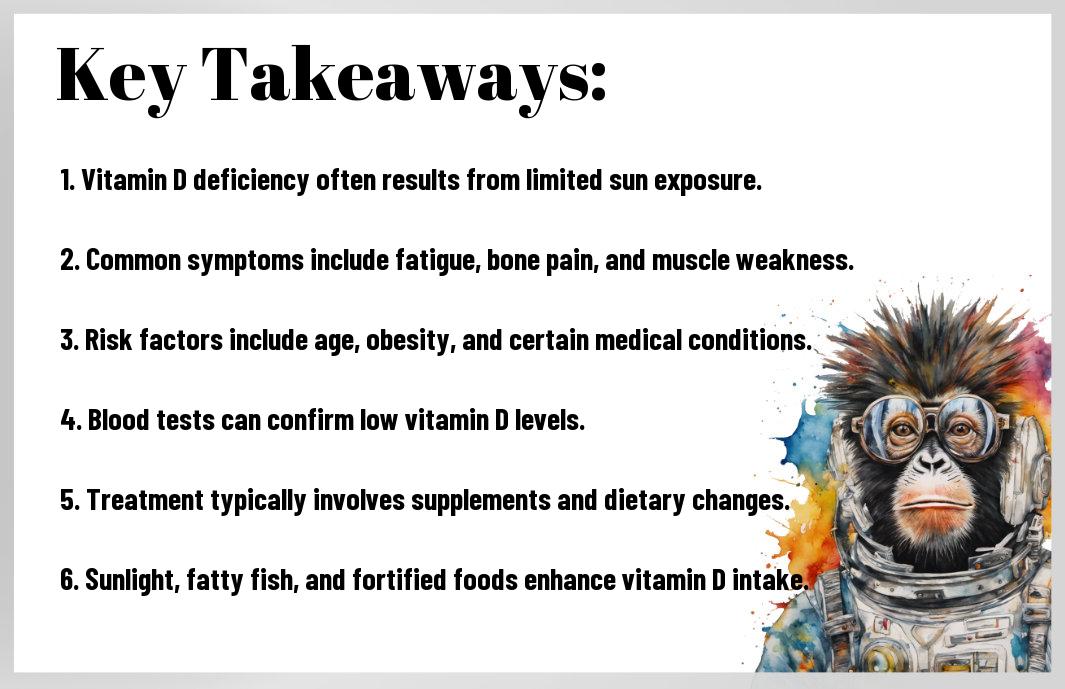
Key Takeaways:
To understand and address Vitamin D Deficiency, it’s crucial to know the following:
- The causes of Vitamin D Deficiency include limited sunlight exposure, dietary deficiencies, and certain medical conditions that affect the body’s ability to absorb Vitamin D.
- The symptoms of Vitamin D Deficiency can be subtle but may include fatigue, muscle weakness, and an increased risk of osteoporosis and fractures, highlighting the need for early diagnosis and treatment.
- Effective treatment for Vitamin D Deficiency typically involves supplementation with Vitamin D, increasing sun exposure safely, and dietary changes to include more Vitamin D-rich foods, such as fatty fish and fortified dairy products.

Causes of Vitamin D Deficiency
A person’s body relies on vitamin D to maintain strong bones, immune function, and overall health. However, many individuals suffer from vitamin D deficiency due to various factors. He or she may not be aware of the underlying causes, which can lead to severe health consequences if left untreated. They may experience a range of symptoms, from mild to severe, including bone pain, fatigue, and increased risk of osteoporosis.
Lack of Sun Exposure
Any person who spends most of their time indoors is at risk of developing vitamin D deficiency. They may have limited exposure to sunlight, which is the primary source of vitamin D. During the winter months, the sun’s rays are weaker, making it even more challenging for the body to produce sufficient vitamin D. He or she may need to rely on alternative sources, such as supplements or fortified foods, to maintain adequate levels. Furthermore, people living in northern latitudes or those who wear protective clothing when outdoors may also be at risk of vitamin D deficiency due to limited sun exposure.
Limited Dietary Sources
Between the limited number of foods that naturally contain vitamin D and the low amounts found in these sources, it can be challenging for individuals to get enough vitamin D through their diet alone. They may need to consume large quantities of fatty fish, such as salmon, or fortified dairy products to meet their daily needs. However, many people do not eat these foods regularly, putting them at risk of deficiency.
To make matters worse, many foods that are fortified with vitamin D may not provide sufficient amounts to meet an individual’s daily needs. They may need to consume a variety of foods, including egg yolks, mushrooms, and fortified cereals, to get enough vitamin D. Additionally, people who follow a vegetarian or vegan diet may be at a higher risk of vitamin D deficiency due to the limited number of plant-based sources of this imperative nutrient.
Symptoms of Vitamin D Deficiency
It is crucial to identify the symptoms of vitamin D deficiency to seek medical attention promptly. Vitamin D deficiency can manifest in various ways, and its symptoms can be subtle, making it challenging to diagnose. He or she may experience a range of physical and mental symptoms, which can significantly impact their quality of life. They may feel fatigued and weak, making it difficult to perform daily tasks.
Physical Symptoms
Prior to the onset of severe symptoms, she may experience muscle pain and bone pain, which can be debilitating. They may also have frequent infections, such as the common cold and flu, due to a weakened immune system. He or she may notice hair loss, which can be distressing, especially for individuals who value their appearance. Additionally, they may experience digestive issues, such as constipation and diarrhea, which can be uncomfortable and disruptive to daily life.
Mental and Emotional Symptoms
Any individual with a vitamin D deficiency may experience mood changes, such as depression and anxiety, which can be overwhelming. They may feel irritable and short-tempered, making it challenging to interact with others. He or she may also experience cognitive impairment, including difficulty concentrating and memory loss, which can be frustrating and alarming.
Mental health professionals have found that individuals with vitamin D deficiency are more likely to experience seasonal affective disorder, a type of depression that occurs during the winter months when there is less sunlight. They may also experience social withdrawal, which can exacerbate their mental health issues. Fortunately, vitamin D deficiency can be treated with supplements and lifestyle changes, such as increasing sun exposure and consuming vitamin D-rich foods, which can help alleviate symptoms and improve overall health.
Risk Factors for Vitamin D Deficiency
Now, vitamin D deficiency is a widespread issue that affects millions of people worldwide, and several factors contribute to its development. They include limited sun exposure, poor diet, and certain medical conditions. The following are some of the key risk factors for vitamin D deficiency:
- Obesity
- Pregnancy
- Breastfeeding
- Old age
- Darker skin
These factors can increase a person’s likelihood of developing a vitamin D deficiency, which can have severe consequences if left untreated. Knowing the risk factors is important for preventing and managing vitamin D deficiency.
Geographic Location
Risky geographic locations, such as areas with limited sunlight during the winter months, can increase a person’s risk of developing a vitamin D deficiency. They often experience reduced sun exposure, which is important for vitamin D production in the skin. In these regions, people may need to rely on supplements or fortified foods to get enough vitamin D.
Risky areas near the Arctic Circle or those with high levels of air pollution are more prone to vitamin D deficiency due to the limited sunlight and poor air quality. These conditions can make it difficult for people to get enough vitamin D from natural sources, increasing their risk of deficiency and related health problems.
Skin Color and Age
Color of skin plays a significant role in vitamin D production, as people with darker skin are more likely to develop a deficiency. They have more melanin in their skin, which can block UV rays and reduce vitamin D production. Additionally, older adults are also at a higher risk of vitamin D deficiency due to age-related changes in the skin and reduced mobility.
To further understand the relationship between skin color and age, it is important to consider the combined effects of these factors. They can increase a person’s risk of developing a severe vitamin D deficiency, which can have devastating consequences if left untreated. People with darker skin and older adults should be aware of their increased risk and take preventive measures to maintain healthy vitamin D levels.
Diagnosis of Vitamin D Deficiency
Keep in mind that diagnosing vitamin D deficiency can be a complex process, and it often involves a combination of physical examinations, medical history, and laboratory tests. She should consult a healthcare professional if she suspects a deficiency, as they can determine the best course of action. They will typically start by evaluating the patient’s overall health, including their diet, lifestyle, and any underlying medical conditions. He may also ask about any symptoms, such as fatigue, bone pain, or mood changes, which can be indicative of a vitamin D deficiency.
They will then proceed with diagnostic tests to confirm the deficiency. The most common method of diagnosis is through blood tests, which measure the levels of vitamin D in the blood. He may also perform other tests to rule out any underlying conditions that may be contributing to the deficiency. It is vital to note that vitamin D deficiency can have severe consequences if left untreated, including osteoporosis, diabetes, and cardiovascular disease.
Blood Tests
Before undergoing any treatment, he will likely order a blood test to measure the levels of vitamin D in the blood. This test is typically done to determine the levels of 25-hydroxyvitamin D, which is the most stable and reliable form of vitamin D. They will take a blood sample from the patient’s vein and send it to a laboratory for analysis. The results will indicate whether the patient has a deficiency, and if so, how severe it is.
Before interpreting the results, he will consider factors such as the patient’s age, sex, and overall health. They will also take into account any medications or supplements the patient is taking, as these can affect the test results. If the results indicate a deficiency, he may order additional tests to determine the underlying cause, such as kidney or liver function tests. This will help them develop an effective treatment plan to address the deficiency and prevent any further complications.
Physical Examination
About the time of diagnosis, a physical examination can provide valuable insights into the patient’s overall health. They will typically perform a thorough examination, including checking for any muscle weakness, bone pain, or deformities. He may also assess the patient’s mental health, as vitamin D deficiency has been linked to depression and anxiety. This examination will help them identify any potential underlying conditions that may be contributing to the deficiency.
About the importance of physical examination, it is worth noting that it can help identify any subtle signs of vitamin D deficiency, such as hair loss, skin problems, or poor wound healing. They will also check for any neurological symptoms, such as numbness, tingling, or seizures, which can be indicative of a more severe deficiency.
This physical examination is a vital part of the diagnostic process, as it allows healthcare professionals to develop a comprehensive understanding of the patient’s condition. They can then use this information to create a personalized treatment plan, which may include lifestyle changes, supplements, or medication. By addressing the deficiency and any underlying conditions, they can help the patient regain their health and prevent long-term complications.
Treatment Options for Vitamin D Deficiency
After a diagnosis of vitamin D deficiency, the primary goal is to restore normal levels of vitamin D in the body. He or she can achieve this through a combination of supplements, medications, and lifestyle changes. The treatment approach may vary depending on the severity of the deficiency and the individual’s overall health. They should work closely with their healthcare provider to determine the best course of treatment. Vitamin D deficiency can lead to serious health problems if left untreated, including osteoporosis, diabetes, and increased risk of infections.
The treatment plan should be tailored to the individual’s specific needs, taking into account their age, sex, and overall health status. Severe vitamin D deficiency may require high-dose supplements or medications to quickly restore normal levels. In some cases, vitamin D injections may be necessary to rapidly correct the deficiency. It is crucial to follow the recommended treatment plan to avoid any potential complications and ensure optimal health outcomes.
Supplements and Medications
Along with a healthy diet, vitamin D supplements can help increase levels of vitamin D in the body. They come in two forms: D2 (ergocalciferol) and D3 (cholecalciferol). Vitamin D3 is generally considered more effective at raising vitamin D levels, and it is the preferred choice for most people. He or she should consult with their healthcare provider to determine the best supplement and dosage for their specific needs. High-dose supplements can interact with other medications, so it is crucial to inform their healthcare provider about all medications they are taking.
Along with supplements, medications may be prescribed to treat underlying conditions that contribute to vitamin D deficiency. For example, medications to treat kidney or liver disease may be necessary to address the underlying cause of the deficiency. They should follow the recommended treatment plan and attend regular follow-up appointments to monitor their progress and adjust the treatment plan as needed. Regular monitoring is crucial to avoid toxicity, which can occur if vitamin D levels become too high.
Lifestyle Changes
To manage vitamin D deficiency, lifestyle changes are crucial. They should spend more time outdoors, as sunlight triggers the production of vitamin D in the skin. However, excessive sun exposure can increase the risk of skin cancer, so it is crucial to practice sun safety. They should also eat a balanced diet rich in vitamin D, including fatty fish, fortified dairy products, and cereals. Avoiding excessive caffeine and alcohol consumption can also help support bone health and vitamin D levels.
To further support their treatment plan, they should maintain a healthy weight, as excess weight can exacerbate vitamin D deficiency. They should also engage in regular exercise, such as walking or weight-bearing activities, to support bone health. Smoking cessation is also crucial, as smoking can interfere with vitamin D absorption and contribute to a range of other health problems.
Consequently, by combining supplements, medications, and lifestyle changes, individuals can effectively manage vitamin D deficiency and reduce the risk of related health problems. They should prioritize their health and work closely with their healthcare provider to develop a personalized treatment plan. Early treatment is key to preventing long-term complications and ensuring optimal health outcomes. With the right treatment approach, individuals can regain their health and well-being and reduce the risk of vitamin D deficiency-related diseases.
Prevention of Vitamin D Deficiency
To prevent vitamin D deficiency, individuals can take several steps to ensure they are getting enough of this imperative nutrient. He or she can start by maintaining a healthy lifestyle, which includes a balanced diet and regular exposure to sunlight. They can also consider taking supplements, especially during the winter months when sunlight is scarce. A well-planned diet and safe sun exposure are key to preventing vitamin D deficiency, and individuals should be aware of the risks of deficiency, including osteoporosis, diabetes, and heart disease.
She can also talk to her doctor about getting tested for vitamin D deficiency, especially if she is at risk due to limited sun exposure, dark skin, or obesity. They can also discuss the best ways to prevent deficiency, including dietary changes and supplementation. By taking these steps, individuals can reduce their risk of vitamin D deficiency and maintain strong bones and overall health. A healthy lifestyle is the best way to prevent vitamin D deficiency, and individuals should make it a priority to eat a balanced diet, exercise regularly, and get enough sleep.
Maintaining a Healthy Diet
For individuals looking to prevent vitamin D deficiency, maintaining a healthy diet is imperative. He can include fatty fish, such as salmon and mackerel, in his diet, as well as fortified dairy products and cereals. They can also consider taking a vitamin D supplement, especially during the winter months when sunlight is scarce. A balanced diet that includes a variety of whole foods can help individuals get the nutrients they need to maintain strong bones and overall health.
For example, she can start her day with a fortified cereal and a glass of orange juice, and include fatty fish in her lunch or dinner. They can also snack on nuts and seeds, which are rich in healthy fats and protein. By making these simple changes to her diet, individuals can reduce their risk of vitamin D deficiency and maintain good health. A healthy diet is the foundation of overall health, and individuals should make it a priority to eat a variety of whole foods.
Safe Sun Exposure
With the right precautions, individuals can get the sun exposure they need to produce vitamin D while minimizing their risk of skin cancer. He can spend time outdoors during the early morning or late afternoon when the sun is not too strong, and wear protective clothing and sunscreen to prevent sunburn. They can also consider taking a short walk during their lunch break or spending time in a sunny window to get some natural light.
With a little planning, individuals can get the sun exposure they need to produce vitamin D while staying safe. She can start by checking the UV index in her area and planning her outdoor activities accordingly. They can also wear protective clothing, such as a hat and sunglasses, and apply sunscreen regularly to prevent sunburn. By taking these precautions, individuals can reduce their risk of skin cancer and maintain healthy skin.
And by being mindful of their sun exposure, individuals can also reduce their risk of other health problems, such as cataracts and immune system suppression. They can also boost their mood and energy levels by getting some natural light, which is imperative for overall health. By making safe sun exposure a priority, individuals can maintain strong bones, healthy skin, and good overall health, while minimizing their risk of serious health problems. Vitamin D deficiency is a serious health problem that can have devastating consequences if left untreated, but it can be prevented with a healthy lifestyle and safe sun exposure.
Conclusion
To wrap up, she notes that vitamin D deficiency is a pervasive health issue that affects millions of people worldwide. They are often unaware of the causes, symptoms, and treatment options available to them. He observes that a lack of sunlight exposure, limited dietary sources, and certain medical conditions can all contribute to this deficiency. As a result, they may experience a range of symptoms, including fatigue, bone pain, and mood changes. By understanding the underlying causes and recognizing the signs, individuals can take proactive steps to address the issue and maintain optimal health.
He emphasizes that treatment for vitamin D deficiency typically involves a combination of lifestyle changes and supplements. They may need to spend more time outdoors, consume vitamin D-rich foods, or take daily supplements to boost their levels. She stresses that it is vital to consult with a healthcare professional to determine the best course of action, as they can assess individual needs and provide personalized guidance. By taking these steps, they can effectively manage their vitamin D deficiency and reduce the risk of related health problems, ultimately improving their overall well-being and quality of life.
FAQ
Q: What are the main causes of Vitamin D deficiency?
A: Vitamin D deficiency can be caused by several factors, including limited exposure to sunlight, dark skin, obesity, certain medical conditions such as kidney or liver disease, and a diet lacking in vitamin D-rich foods like fatty fish, egg yolks, and fortified dairy products. Additionally, people who take certain medications, such as anticonvulsants, or have a family history of vitamin D deficiency are also at risk. It’s also worth noting that people living in northern latitudes or those who wear clothing that covers most of their skin are more prone to vitamin D deficiency due to reduced sunlight exposure.
Q: What are the common symptoms of Vitamin D deficiency and how is it diagnosed?
A: The symptoms of vitamin D deficiency can be subtle and may develop gradually, making it difficult to diagnose. Common symptoms include bone pain, muscle weakness, fatigue, mood changes, and depression. In severe cases, vitamin D deficiency can lead to osteomalacia (softening of the bones) in adults and rickets in children. Diagnosis is typically made through a blood test that measures the level of vitamin D in the blood. A healthcare provider may also perform a physical examination and take a medical history to rule out other conditions that may be causing the symptoms.
Q: What are the treatment options for Vitamin D deficiency and how can it be prevented?
A: Treatment for vitamin D deficiency typically involves taking vitamin D supplements, which are available in two forms: D2 (ergocalciferol) and D3 (cholecalciferol). The recommended dosage and duration of treatment vary depending on the severity of the deficiency and individual factors. In addition to supplements, increasing exposure to sunlight, consuming vitamin D-rich foods, and taking fortified foods can help prevent deficiency. It’s also important to maintain a healthy weight, as excess body fat can affect vitamin D levels. Regular check-ups with a healthcare provider can help monitor vitamin D levels and prevent long-term complications. In some cases, prescription-strength vitamin D may be necessary, especially for people with severe deficiency or certain medical conditions.