


They examine into the dark world of Vitamin D Deficiency, a condition that silently affects millions. She notes that prolonged deficiency can lead to severe health consequences. He discovers that the condition is often caused by limited sun exposure and inadequate diet. For more information, they can visit Vitamin D – StatPearls to uncover the truth behind this widespread issue.
Key Takeaways:
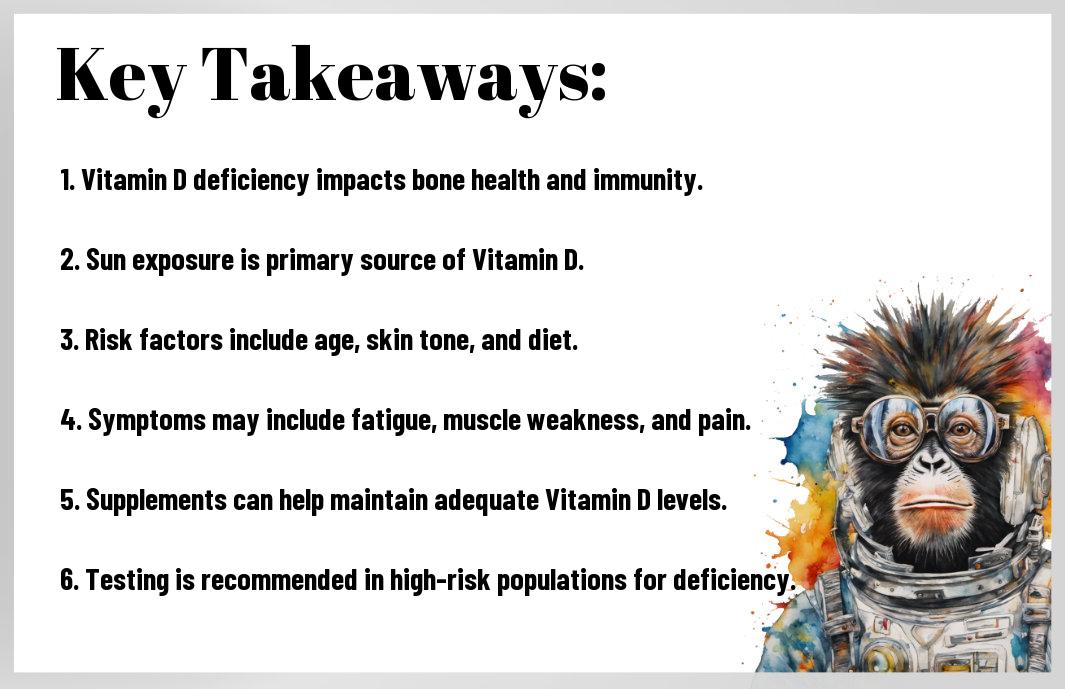
- Vitamin D deficiency is a common condition that can have significant effects on overall health, particularly on bone health and immune function.
- Risk factors for vitamin D deficiency include limited sun exposure, skin pigmentation, age, and geographic location, making certain populations more susceptible to this condition.
- Supplementation and fortification of foods with vitamin D can help prevent and treat deficiency, and healthcare providers should be aware of the diagnostic criteria and treatment options available to manage this condition effectively.
Causes of Vitamin D Deficiency
While vitamin D deficiency is a widespread issue, its causes are multifaceted and often intertwined. He notes that the lack of sun exposure is a significant contributor to this problem. She emphasizes that prolonged periods of staying indoors can lead to a significant decrease in vitamin D levels, making individuals more susceptible to deficiency. They highlight that this is particularly concerning for individuals with limited mobility or those who work night shifts, as they are often unable to get enough sunlight to stimulate vitamin D production.
Lack of Sun Exposure
To understand the impact of limited sun exposure, it is vital to consider the role of ultraviolet B (UVB) rays in vitamin D production. Typically, when UVB rays from the sun interact with the skin, they trigger a chemical reaction that produces vitamin D. However, cloud cover, pollution, and sunscreen use can all reduce the amount of UVB rays that reach the skin, thereby decreasing vitamin D production. He warns that prolonged periods of sun avoidance can have severe consequences, including rickets in children and osteomalacia in adults.
Taking into account the seasonal variation in sunlight, it becomes clear that individuals living in northern latitudes are at a higher risk of vitamin D deficiency during the winter months. She notes that aging skin also becomes less efficient at producing vitamin D, making older adults more vulnerable to deficiency. They stress that dark-skinned individuals are also at a higher risk due to the melanin in their skin, which reduces the amount of UVB rays that can penetrate and stimulate vitamin D production.
Limited Dietary Sources
Behind the scenes of vitamin D deficiency lies another significant factor: limited dietary sources. Beneath the surface of a typical diet, it becomes apparent that very few foods are naturally rich in vitamin D. He points out that fatty fish, such as salmon and mackerel, are among the few dietary sources of vitamin D, but even these foods may not provide enough to meet the daily recommended intake. She highlights that fortified foods, such as milk and cereals, can help bridge the gap, but not everyone consumes these foods regularly.
Behind the statistics, it is clear that vegetarians and vegans are at a higher risk of vitamin D deficiency due to their limited intake of animal-based foods. Typically, they require supplements or fortified foods to meet their daily vitamin D needs. He notes that breastfed infants are also at risk if their mothers are deficient in vitamin D, as human milk is a poor source of this nutrient.
Consequently, the prevalence of vitamin D deficiency is a serious public health concern. He emphasizes that awareness and education are key to addressing this issue, as individuals can take steps to increase their sun exposure safely and consume vitamin D-rich foods. She stresses that supplementation may also be necessary for high-risk individuals, such as those with limited sun exposure or dietary sources of vitamin D. They warn that failure to address vitamin D deficiency can have severe and long-lasting consequences, including increased risk of osteoporosis, diabetes, and certain types of cancer.

Risk Factors
It is well-established that vitamin D deficiency is a widespread problem affecting millions of people worldwide. They are at a higher risk of developing osteoporosis, diabetes, and cardiovascular disease. The risk factors for vitamin D deficiency include:
- Age: Older adults are more likely to have vitamin D deficiency due to limited sun exposure, kidney function, and gut absorption.
- Diet: A diet lacking vitamin D-rich foods, such as fatty fish, fortified dairy products, and mushrooms, increases the risk of deficiency.
- Obesity: Individuals with obesity are more likely to have vitamin D deficiency due to sequestration of vitamin D in body fat.
After considering these risk factors, it becomes clear that vitamin D deficiency is a complex issue with multiple contributing factors.
Geographic Location
Behind the scenes of vitamin D deficiency lies the issue of geographic location. They are more likely to experience seasonal fluctuations in sunlight, leading to vitamin D deficiency during the winter months. People living in northern latitudes are at a higher risk of vitamin D deficiency due to limited sunlight during the winter. This is particularly concerning, as vitamin D deficiency has been linked to an increased risk of osteoporosis, fractures, and other health problems.
Beneath the surface of geographic location lies the issue of urbanization. They are more likely to spend time indoors, away from natural sunlight, increasing their risk of vitamin D deficiency. Furthermore, air pollution can also block sunlight, reducing vitamin D production in the skin. This highlights the need for public health initiatives to address vitamin D deficiency in urban areas.
Skin Pigmentation
Before delving into the details of skin pigmentation, it is imperative to understand that melanin plays a significant role in vitamin D production. They have darker skin, which can reduce vitamin D production due to the absorption of sunlight by melanin. This puts them at a higher risk of vitamin D deficiency, particularly in areas with limited sunlight.
Beyond the surface of skin pigmentation lies the issue of genetic predisposition. They may have a genetic predisposition to vitamin D deficiency, which can be exacerbated by skin pigmentation. This highlights the need for individualized approaches to addressing vitamin D deficiency, taking into account skin pigmentation and genetic factors.
Even in the absence of sunlight, skin pigmentation can still play a significant role in vitamin D production. They can still produce vitamin D through dietary sources and supplements, but skin pigmentation can affect the absorption of these sources. This emphasizes the importance of consulting a healthcare professional to determine the best course of action for addressing vitamin D deficiency, particularly in individuals with darker skin. The consequences of untreated vitamin D deficiency can be severe, including osteoporosis, fractures, and increased risk of chronic diseases, making it imperative to address this issue promptly and effectively.
Symptoms and Diagnosis
To diagnose vitamin D deficiency, healthcare professionals must be vigilant in identifying the subtle yet ominous signs that signal its presence. They must explore into the patient’s medical history, scrutinizing every detail to uncover the underlying causes of this insidious condition. Vitamin D deficiency can manifest in various ways, making it a challenging diagnosis to pinpoint. He or she must consider the patient’s lifestyle, dietary habits, and environmental factors to determine the likelihood of deficiency.
To determine the severity of vitamin D deficiency, healthcare professionals must conduct a thorough examination of the patient’s symptoms and medical history. They will assess the patient’s overall health, looking for signs of fatigue, muscle weakness, and bone pain, which are all common indicators of vitamin D deficiency. She or he will also inquire about the patient’s diet, physical activity level, and exposure to sunlight, as these factors can significantly impact vitamin D levels. By gathering this information, healthcare professionals can begin to piece together the puzzle of vitamin D deficiency and develop an effective treatment plan.
Clinical Presentation
Typically, patients with vitamin D deficiency exhibit a range of symptoms, from mild to severe. They may experience depression, anxiety, and cognitive impairment, which can significantly impact their quality of life. He or she may also notice musculoskeletal symptoms, such as muscle weakness and bone pain, which can make everyday activities a challenge. In severe cases, vitamin D deficiency can lead to osteomalacia or rickets, conditions characterized by softening of the bones.
Treating vitamin D deficiency requires a comprehensive approach, taking into account the patient’s overall health and medical history. She or he will work with the patient to develop a personalized treatment plan, which may include supplements, dietary changes, and lifestyle modifications. By addressing the underlying causes of vitamin D deficiency, healthcare professionals can help patients manage their symptoms and prevent long-term complications.
Laboratory Tests
Similarly, laboratory tests play a vital role in diagnosing vitamin D deficiency. Symptoms of deficiency can be nonspecific, making it vital to conduct blood tests to determine vitamin D levels. They will typically measure the levels of 25-hydroxyvitamin D (25(OH)D) in the blood, which is the most reliable indicator of vitamin D status. He or she may also conduct other tests, such as parathyroid hormone (PTH) and alkaline phosphatase levels, to assess bone health and identify potential complications.
Symptomatic patients with vitamin D deficiency may require regular monitoring to ensure their treatment plan is effective. She or he will work closely with the patient to adjust their treatment plan as needed, taking into account any changes in their symptoms or medical status. By combining clinical evaluation with laboratory tests, healthcare professionals can develop a comprehensive understanding of vitamin D deficiency and provide patients with the best possible care.
Presentation of laboratory results is a critical step in the diagnosis and treatment of vitamin D deficiency. He or she will carefully evaluate the results, looking for signs of deficiency or insufficiency. If the results indicate a severe deficiency, the patient may require immediate treatment to prevent long-term complications, such as osteoporosis or fractures. By taking a proactive approach to diagnosis and treatment, healthcare professionals can help patients manage their vitamin D levels and maintain optimal bone health, reducing the risk of serious health consequences.

Health Consequences
Keep in mind that vitamin D deficiency can have severe and far-reaching effects on the body. They can lead to a multitude of health problems, affecting various systems and increasing the risk of chronic diseases. He notes that the consequences of vitamin D deficiency can be devastating, and it is crucial to address this issue to prevent long-term damage. Vitamin D plays a vital role in maintaining overall health, and its deficiency can have a significant impact on the quality of life. She emphasizes that it is crucial to understand the health consequences of vitamin D deficiency to take preventive measures and seek medical attention if necessary.
They highlight that the health consequences of vitamin D deficiency can be severe and debilitating. It can lead to osteoporosis, osteopenia, and increased risk of fractures, which can significantly impact mobility and independence. He warns that vitamin D deficiency can also increase the risk of cardiovascular disease, diabetes, and certain types of cancer, making it a significant public health concern. Furthermore, vitamin D deficiency has been linked to depression, anxiety, and seasonal affective disorder, emphasizing the need for prompt diagnosis and treatment.
Bone Health
Among the most significant health consequences of vitamin D deficiency is its impact on bone health. They note that vitamin D plays a vital role in maintaining strong bones by regulating calcium levels and promoting bone mineralization. He explains that vitamin D deficiency can lead to softening of the bones, making them more susceptible to fractures and deformities. This can result in osteomalacia in adults and rickets in children, which can have long-term consequences on overall health and well-being.
Among the various health consequences of vitamin D deficiency, its impact on bone health is particularly alarming. She highlights that vitamin D deficiency can lead to osteoporosis, a condition characterized by brittle and porous bones, increasing the risk of fractures and mobility problems. They emphasize that maintaining adequate vitamin D levels is crucial for bone health, and deficiency can have devastating consequences if left untreated.
Immune System
Against the backdrop of vitamin D deficiency, the immune system can be significantly compromised. They note that vitamin D plays a vital role in regulating immune cell function and preventing autoimmune diseases. He explains that vitamin D deficiency can lead to impaired immune function, making individuals more susceptible to infections and diseases. This can result in increased morbidity and mortality, emphasizing the need for adequate vitamin D levels to maintain a healthy immune system.
Against the growing body of evidence, it is clear that vitamin D deficiency can have far-reaching consequences for the immune system. She highlights that vitamin D deficiency has been linked to increased risk of respiratory infections, autoimmune diseases, and cancer, making it a significant public health concern. They emphasize that maintaining adequate vitamin D levels is crucial for immune system function, and deficiency can have severe consequences if left untreated.
Even more concerning is the fact that vitamin D deficiency can have a profound impact on the immune system, making individuals more susceptible to infections and diseases. They note that vitamin D plays a vital role in regulating inflammation and preventing oxidative stress, and deficiency can lead to chronic inflammation and tissue damage. This can result in increased risk of chronic diseases, such as cardiovascular disease, diabetes, and cancer, emphasizing the need for prompt diagnosis and treatment of vitamin D deficiency to prevent long-term damage and devastating consequences.
Treatment and Prevention
Despite the prevalence of vitamin D deficiency, it can be effectively managed and prevented with the right approach. They can take steps to address the issue through a combination of supplements, fortification, and lifestyle modifications. He notes that the key to successful treatment and prevention lies in understanding the underlying causes of the deficiency and tailoring the approach to individual needs. She emphasizes that vitamin D deficiency can have severe consequences if left untreated, including increased risk of osteoporosis, diabetes, and certain types of cancer.
Supplements and Fortification
Below the surface of the treatment options, supplements and fortification play a significant role in addressing vitamin D deficiency. They can help bridge the gap between the amount of vitamin D obtained through diet and the amount needed to maintain optimal levels. He recommends that individuals with severe deficiency take high-dose supplements under the guidance of a healthcare professional. She notes that fortification of foods such as milk, cereals, and orange juice can also help increase vitamin D intake, especially for those who are at risk of deficiency.
Below supplements, they can also explore other forms of vitamin D, such as vitamin D2 and vitamin D3. He explains that while both forms can be effective, vitamin D3 is generally considered more potent and better absorbed by the body. She warns that over-supplementation can lead to adverse effects, including toxicity and kidney damage, highlighting the need for careful monitoring and guidance.
Lifestyle Modifications
Along with supplements and fortification, lifestyle modifications can also play a significant role in preventing and treating vitamin D deficiency. They can make changes to their daily routine to increase their exposure to natural sunlight, which is imperative for vitamin D production. He suggests that individuals spend 10-15 minutes outdoors during peak sun hours, taking care to avoid excessive sun exposure that can increase the risk of skin cancer. She notes that geographic location and skin pigmentation can also impact vitamin D production, with individuals living in northern latitudes or having darker skin being at higher risk of deficiency.
Along the lines of lifestyle modifications, they can also make changes to their diet to include more vitamin D-rich foods such as fatty fish, egg yolks, and mushrooms. He explains that while these foods can provide some vitamin D, they are often not enough to meet daily needs, especially for those with restricted diets. She emphasizes that consulting a healthcare professional is imperative to determine the best course of treatment and prevention.
Hence, by combining supplements, fortification, and lifestyle modifications, individuals can effectively manage and prevent vitamin D deficiency. They can take a proactive approach to maintaining optimal vitamin D levels, reducing the risk of associated diseases and promoting overall health and well-being. He notes that early intervention is key, as untreated vitamin D deficiency can have long-term consequences on overall health. She stresses that awareness and education are imperative in promoting vitamin D health, and that individuals should take an active role in monitoring their vitamin D levels and seeking professional guidance when needed.
Special Considerations
Now, as the discussion of vitamin D deficiency continues, it becomes apparent that certain populations require special attention due to their unique needs and circumstances. The consequences of vitamin D deficiency can be devastating if left unaddressed, particularly in vulnerable groups. They must be aware of the potential risks associated with vitamin D deficiency, such as osteomalacia and rickets, in order to take preventive measures.
He notes that the prevalence of vitamin D deficiency is a significant concern, affecting not only individuals but also entire communities. She emphasizes the importance of early detection and treatment to prevent long-term complications, especially in high-risk populations. They must be vigilant in monitoring their vitamin D levels, as undetected deficiency can lead to severe health consequences.
Pregnancy and Lactation
Above all, pregnant and lactating women require adequate vitamin D levels to support the health and development of their babies. They need to be aware of the potential risks associated with vitamin D deficiency, such as low birth weight and increased risk of infections, in order to take preventive measures. She notes that breastfeeding can also be affected by vitamin D deficiency, as it may impact the quality and quantity of milk production.
Above the usual concerns, pregnant and lactating women must also consider the impact of vitamin D deficiency on fetal development. He highlights the importance of adequate vitamin D levels during pregnancy to support the development of the fetal skeleton and immune system. They must work closely with their healthcare providers to ensure that their vitamin D levels are monitored and maintained throughout pregnancy and lactation.
Pediatric and Geriatric Populations
One of the most vulnerable populations to vitamin D deficiency is the pediatric and geriatric groups. They are at a higher risk of deficiency due to limited sun exposure, poor diet, and age-related decline in vitamin D production. She notes that children and adolescents require adequate vitamin D levels to support bone growth and development, while older adults need it to prevent osteoporosis and fractures.
One of the key concerns in pediatric and geriatric populations is the increased risk of falls and fractures associated with vitamin D deficiency. He emphasizes the importance of regular exercise and physical activity to maintain muscle strength and balance, reducing the risk of falls and injuries. They must also be aware of the potential interactions between vitamin D and other medications, such as anticonvulsants and steroids, which can exacerbate deficiency.
But despite these challenges, there is hope for prevention and treatment. They can take steps to maintain adequate vitamin D levels through a combination of sun exposure, dietary supplements, and fortified foods. He notes that early intervention and treatment can significantly improve outcomes and reduce the risk of long-term complications, making it imperative for pediatric and geriatric populations to prioritize their vitamin D health. By taking a proactive approach, they can protect their bone health and prevent devastating consequences.
Summing up
The darkness of vitamin D deficiency looms over the world, a silent specter that haunts the lives of millions. They are the unsuspecting victims of a condition that can strike without warning, its effects as insidious as they are devastating. He or she may not even be aware of the danger lurking in the shadows, waiting to pounce and wreak havoc on their health. Vitamin D deficiency is a condition that can have far-reaching consequences, affecting not just the individual but also their loved ones, leaving a trail of suffering and despair in its wake.
The statistics are stark and unsettling, a grim reminder of the dangers of neglecting one’s health. They paint a picture of a world where vitamin D deficiency is a pervasive and persistent problem, one that demands attention and action. He notes that the condition can have severe consequences, from bone disorders to increased risk of certain diseases, a chilling prospect that should send shivers down the spine of anyone who values their health. She emphasizes the importance of awareness and education, the only weapons that can be wielded against this formidable foe, and they urge individuals to take proactive steps to protect themselves from the clutches of vitamin D deficiency, lest they fall prey to its dark and sinister grasp.
FAQ
Q: What is Vitamin D Deficiency and its prevalence?
A: Vitamin D deficiency is a condition characterized by low levels of vitamin D in the body, which is vital for maintaining strong bones, immune function, and overall health. According to the NCBI Bookshelf, Vitamin D Deficiency is a common condition that affects millions of people worldwide, with estimates suggesting that approximately 40-60% of the general population has insufficient levels of vitamin D. The prevalence of vitamin D deficiency varies by age, sex, and geographic location, with older adults, individuals with limited sun exposure, and those with darker skin pigmentation being at higher risk.
Q: What are the causes and risk factors associated with Vitamin D Deficiency?
A: Vitamin D deficiency can be caused by a combination of factors, including limited sun exposure, inadequate dietary intake, and certain medical conditions. The NCBI Bookshelf highlights that risk factors for vitamin D deficiency include older age, darker skin pigmentation, obesity, and certain medical conditions such as kidney or liver disease. Additionally, individuals who are vegetarian or vegan, or those who have a limited ability to absorb fat, may also be at higher risk for vitamin D deficiency. Furthermore, people who spend most of their time indoors, use sunscreen, or live in northern latitudes may also have lower levels of vitamin D.
Q: How is Vitamin D Deficiency diagnosed and treated, and what are the potential consequences if left untreated?
A: Vitamin D deficiency can be diagnosed through a blood test that measures the levels of 25-hydroxyvitamin D in the blood. According to the NCBI Bookshelf, treatment for vitamin D deficiency typically involves supplementing with vitamin D and calcium, as well as making lifestyle changes to increase sun exposure and dietary intake. If left untreated, vitamin D deficiency can lead to a range of health problems, including osteoporosis, osteomalacia, and increased risk of falls and fractures. Additionally, vitamin D deficiency has been linked to an increased risk of certain diseases, including diabetes, hypertension, and certain types of cancer. Early diagnosis and treatment are vital to prevent these potential consequences and maintain overall health and well-being.