


He notes that Vitamin D deficiency is a pervasive issue, affecting millions worldwide. They observe that insufficient Vitamin D levels can lead to serious health complications. She emphasizes that understanding the risks and consequences of Vitamin D deficiency is vital for maintaining overall well-being. For more information, he recommends visiting Vitamin D Deficiency facts and treatments to learn about the importance of Vitamin D and how to prevent its deficiency.
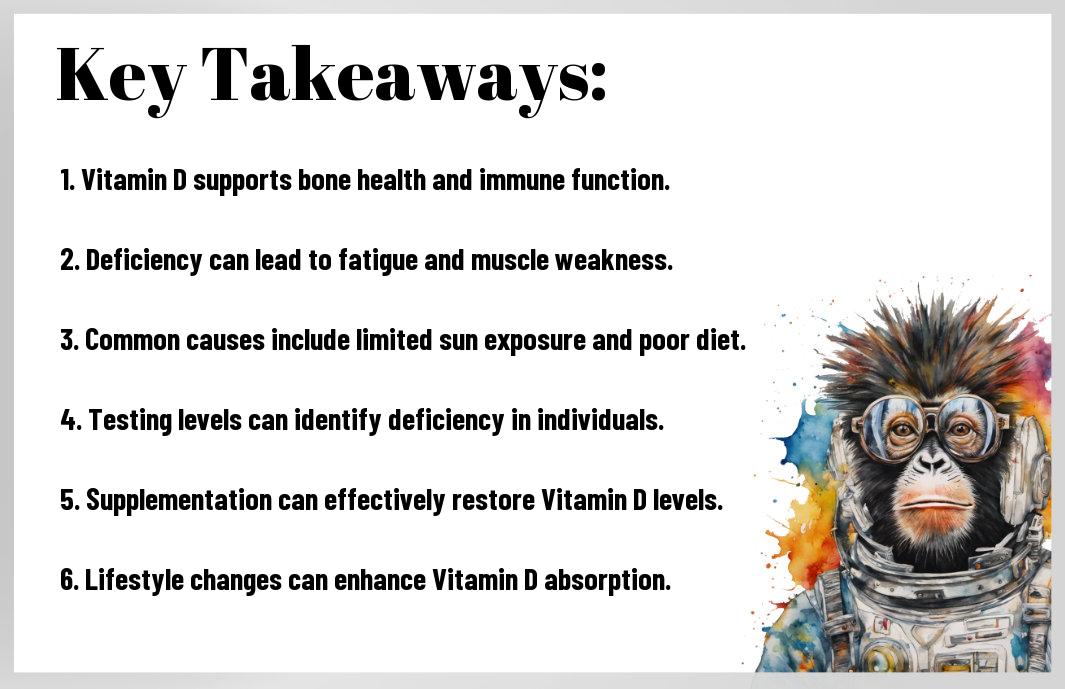
Key Takeaways:
- Vitamin D deficiency can lead to a range of health problems, including osteoporosis, osteopenia, and an increased risk of fractures.
- Sunlight exposure and diet are two main sources of Vitamin D, but many people, especially those with limited sun exposure or a restricted diet, may require supplements to maintain adequate levels.
- Risk factors for Vitamin D deficiency include age, skin color, obesity, and certain medical conditions, such as kidney disease or liver disease, making it vital to discuss testing and treatment options with a healthcare provider.
Definition and Prevalence
The definition of vitamin D deficiency is a condition where an individual has inadequate levels of vitamin D in their body. He notes that vitamin D is an vital nutrient that plays a significant role in maintaining strong bones, immune function, and overall health. They emphasize that vitamin D deficiency can lead to various health problems, including osteoporosis, osteopenia, and increased risk of fractures. She highlights that vitamin D deficiency is a widespread problem that affects millions of people worldwide, with significant consequences for overall health and well-being.
The prevalence of vitamin D deficiency is a significant public health concern, and he stresses that it is vital to understand the definition and causes of this condition. They explain that vitamin D is obtained through sunlight exposure, diet, and supplements, and that deficiency can occur when an individual does not get enough of these sources. He notes that age, skin color, and geographic location are all factors that can contribute to vitamin D deficiency, and that certain groups, such as older adults and individuals with dark skin, are at higher risk.
What is Vitamin D Deficiency?
Vitally, vitamin D deficiency is a condition that occurs when the body does not have enough vitamin D to maintain strong bones and overall health. He explains that vitamin D is necessary for the absorption of calcium and phosphorus, two minerals that are vital for building and maintaining strong bones. They note that vitamin D deficiency can lead to softening of the bones, known as osteomalacia in adults, and rickets in children.
Variably, the symptoms of vitamin D deficiency can vary depending on the severity of the condition, and he stresses that some people may not exhibit any symptoms at all. They highlight that common symptoms of vitamin D deficiency include fatigue, weakness, and bone pain, and that severe deficiency can lead to more serious health problems, such as osteoporosis and fractures.
How Common is Vitamin D Deficiency?
Definitely, deficiency of vitamin D is a common problem that affects millions of people worldwide, and he notes that it is estimated that 40-60% of adults in the United States have vitamin D deficiency. They explain that deficiency can occur in anyone, regardless of age or background, and that certain groups, such as older adults and individuals with dark skin, are at higher risk. He stresses that lack of sunlight exposure, poor diet, and certain medical conditions can all contribute to vitamin D deficiency.
Definitively, the prevalence of vitamin D deficiency is a significant public health concern, and they emphasize that it is vital to take steps to prevent and treat this condition. He notes that simple measures, such as spending time outdoors, taking vitamin D supplements, and eating a balanced diet, can help to prevent vitamin D deficiency and maintain strong bones and overall health.
Even more concerning is the fact that vitamin D deficiency can have serious consequences for overall health and well-being, and he stresses that it is vital to take this condition seriously. They highlight that severe deficiency can lead to osteoporosis, fractures, and other serious health problems, and that early diagnosis and treatment are vital to preventing these complications. He notes that healthcare professionals play a critical role in diagnosing and treating vitamin D deficiency, and that public awareness campaigns can help to educate people about the importance of vitamin D for maintaining strong bones and overall health.
Causes and Risk Factors
There’s a multitude of factors that contribute to Vitamin D Deficiency, a condition that affects millions of people worldwide. He notes that the primary causes of this deficiency can be attributed to Limited Sun Exposure, Dietary Factors, and Medical Conditions and Medications. They are more likely to experience Vitamin D Deficiency due to their limited exposure to UVB Rays, which are important for the production of Vitamin D in the skin. Some of the key risk factors include:
- Age: Older adults are more susceptible to Vitamin D Deficiency due to their decreased ability to produce Vitamin D from UVB Rays
- Skin Color: Individuals with darker skin tones are more likely to experience Vitamin D Deficiency due to the natural Pigmentation of their skin, which reduces UVB Ray absorption
- Geographic Location: People living in northern latitudes are more prone to Vitamin D Deficiency due to the limited UVB Rays available during the winter months
The combination of these factors can lead to a significant increase in the risk of developing Vitamin D Deficiency.
Limited Sun Exposure
By virtue of their lifestyle, individuals who spend most of their time indoors are more likely to experience Vitamin D Deficiency. He notes that people who work Night Shifts or have limited Outdoor Activities are at a higher risk of developing this condition. They are less likely to produce sufficient Vitamin D from UVB Rays, which can lead to a range of health problems, including Osteoporosis and Cardiovascular Disease.
By contrast, individuals who engage in regular Outdoor Activities and Exercise are more likely to maintain healthy Vitamin D levels. She emphasizes the importance of Moderate Sun Exposure to prevent Vitamin D Deficiency, while also avoiding the risks associated with Excessive Sun Exposure, such as Skin Cancer. The benefits of Vitamin D production from UVB Rays cannot be overstated, and individuals should strive to maintain a healthy balance between Sun Exposure and Sun Protection.
Dietary Factors
The availability of Vitamin D in food sources is limited, and individuals who follow a Vegan or Vegetarian diet are more likely to experience Vitamin D Deficiency. They can increase their Vitamin D intake by consuming Fortified Foods, such as:
- Milk and Dairy Products
- Cereals and Breakfast Foods
- Fatty Fish, such as Salmon and Mackerel
Knowing the importance of Vitamin D in maintaining strong Bones and preventing Chronic Diseases, individuals should strive to incorporate these foods into their diet.
Factors such as Poverty and Food Insecurity can also contribute to Vitamin D Deficiency, as individuals may have limited access to Nutritious Foods. They can increase their Vitamin D intake by consuming:
- Fortified Plant-Based Milk
- Mushrooms exposed to UV Light
- Vitamin D Supplements
Knowing the risks associated with Vitamin D Deficiency, individuals should take steps to maintain adequate Vitamin D levels through a combination of Diet, Supplements, and Sun Exposure.
Medical Conditions and Medications
Medically, certain conditions can increase the risk of Vitamin D Deficiency, including Kidney Disease and Liver Disease. He notes that individuals with these conditions may have impaired Vitamin D absorption or metabolism, leading to Deficiency. They are more likely to experience Osteoporosis, Fractures, and other Health Problems associated with Vitamin D Deficiency.
It is important to note that certain Medications can also contribute to Vitamin D Deficiency, including Cholesterol-Lowering Medications and Anticonvulsants. They can interfere with Vitamin D absorption or metabolism, leading to Deficiency. The risks associated with Vitamin D Deficiency can be mitigated by maintaining adequate Vitamin D levels through a combination of Diet, Supplements, and Sun Exposure, and individuals should consult with their Healthcare Provider to determine the best course of action.

Symptoms and Diagnosis
Keep in mind that vitamin D deficiency can be a silent condition, and many people may not exhibit any noticeable symptoms until the deficiency has become severe. He notes that the symptoms of vitamin D deficiency can be subtle and may develop gradually over time, making it challenging to diagnose. She emphasizes that it is necessary to be aware of the potential symptoms to seek medical attention if necessary. They suggest that individuals who are at risk of vitamin D deficiency, such as those with limited sun exposure, dark skin, or certain medical conditions, should be particularly vigilant.
He highlights that severe vitamin D deficiency can lead to osteomalacia in adults, a condition characterized by softening of the bones, and rickets in children, a condition marked by deformed bones. She stresses that early diagnosis and treatment are vital to prevent these conditions and other complications associated with vitamin D deficiency. They point out that adequate vitamin D levels are necessary for maintaining strong bones and preventing osteoporosis, a condition that can increase the risk of fractures.
Common Symptoms of Vitamin D Deficiency
On the other hand, some people may experience symptoms such as fatigue, muscle weakness, and mood changes, which can be indicative of vitamin D deficiency. He notes that these symptoms can be non-specific and may be attributed to other conditions, making it necessary to consult a healthcare professional for an accurate diagnosis. She emphasizes that severe vitamin D deficiency can also cause bone pain and muscle cramps, which can significantly impact an individual’s quality of life.
On closer examination, they suggest that vitamin D deficiency may also be associated with an increased risk of autoimmune diseases, such as multiple sclerosis and type 1 diabetes. He highlights that research is ongoing to fully understand the relationship between vitamin D deficiency and these conditions. She stresses that maintaining adequate vitamin D levels is necessary for overall health and well-being, and individuals should take steps to ensure they are getting enough vitamin D through sun exposure, diet, and supplements if necessary.
Diagnostic Tests for Vitamin D Deficiency
Below the surface of the symptoms, diagnostic tests can help determine if an individual has a vitamin D deficiency. He notes that the most common test used to diagnose vitamin D deficiency is a blood test that measures the level of 25-hydroxyvitamin D in the blood. She emphasizes that this test can help identify individuals who are at risk of vitamin D deficiency and guide treatment decisions.
Beneath the complexity of the diagnostic process, they suggest that other tests may be used to assess the severity of vitamin D deficiency and its impact on bone health. He highlights that bone density tests can help diagnose osteoporosis and assess the risk of fractures. She stresses that early diagnosis and treatment are vital to prevent the complications associated with vitamin D deficiency and maintain overall health and well-being.
In fact, the diagnostic tests for vitamin D deficiency are relatively straightforward, and treatment can be highly effective in alleviating symptoms and preventing complications. He notes that vitamin D supplements are often prescribed to treat vitamin D deficiency, and lifestyle changes, such as increasing sun exposure and dietary intake of vitamin D-rich foods, can also help maintain adequate vitamin D levels. She emphasizes that regular monitoring of vitamin D levels is necessary to ensure that treatment is effective and to prevent over-supplementation, which can have adverse effects. They highlight that consulting a healthcare professional is necessary to determine the best course of treatment for vitamin D deficiency and to maintain overall health and well-being.
Health Consequences
Unlike many other vitamins, vitamin D plays a unique role in maintaining overall health, and its deficiency can have far-reaching consequences. He notes that vitamin D deficiency has been linked to a range of health problems, from mild symptoms such as fatigue and muscle weakness to severe conditions like osteoporosis and increased risk of chronic diseases. She emphasizes that it is imperative to understand the health consequences of vitamin D deficiency to take preventive measures and maintain optimal levels of this vital nutrient.
They observe that vitamin D deficiency can have a significant impact on overall health, particularly in vulnerable populations such as the elderly, children, and individuals with certain medical conditions. He highlights that adequate vitamin D levels are necessary for maintaining strong bones, healthy immune function, and normal cell growth, and that deficiency can lead to a range of debilitating health problems. She stresses that it is vital to address vitamin D deficiency to prevent long-term health consequences and maintain optimal health.
Bone Health and Osteoporosis
Although vitamin D is imperative for maintaining strong bones, its deficiency can lead to bone thinning and osteoporosis. He notes that vitamin D helps the body absorb calcium, which is necessary for building and maintaining strong bones. She explains that without sufficient vitamin D, the body may not be able to absorb enough calcium, leading to weak bones and an increased risk of fractures. They emphasize that adequate vitamin D levels are particularly important for older adults, as osteoporosis can lead to debilitating fractures and loss of mobility.
Additionally, he observes that vitamin D deficiency can also lead to rickets in children, a condition characterized by soft and weakened bones. She highlights that early intervention and treatment are imperative to prevent long-term bone health problems and maintain optimal bone health. They note that regular vitamin D supplementation and exposure to sunlight can help maintain adequate vitamin D levels and prevent bone-related disorders.
Increased Risk of Chronic Diseases
About the relationship between vitamin D deficiency and chronic diseases, he notes that low vitamin D levels have been linked to an increased risk of diabetes, hypertension, and cardiovascular disease. She explains that vitamin D plays a role in regulating blood pressure and blood sugar levels, and that deficiency can lead to imbalances in these systems. They emphasize that maintaining adequate vitamin D levels is imperative for preventing chronic diseases and maintaining overall health.
About the mechanisms underlying the relationship between vitamin D deficiency and chronic diseases, she observes that vitamin D receptors are present in many cells throughout the body, and that vitamin D plays a role in regulating gene expression and cell growth. He notes that vitamin D deficiency can lead to inflammation and oxidative stress, which can contribute to the development of chronic diseases. They highlight that further research is needed to fully understand the relationship between vitamin D deficiency and chronic diseases.
The evidence suggests that vitamin D deficiency is a major public health concern, and that increased awareness and education are necessary to prevent widespread health problems. He emphasizes that simple measures such as vitamin D supplementation and exposure to sunlight can help maintain adequate vitamin D levels and prevent chronic diseases. She stresses that healthcare professionals must prioritize vitamin D deficiency prevention and treatment to maintain optimal health and prevent long-term health consequences, which can be devastating and costly to individuals and society as a whole, leading to reduced quality of life and increased mortality.

Treatment and Prevention
Despite the prevalence of vitamin D deficiency, he believes that it can be effectively managed with proper treatment and prevention strategies. She emphasizes that a combination of vitamin D supplements, dietary changes, and lifestyle modifications can help alleviate the symptoms and prevent long-term complications. They note that early detection and intervention are key to preventing the debilitating effects of vitamin D deficiency.
He stresses that consulting a healthcare professional is crucial to determine the best course of treatment, as the severity of the deficiency and individual factors can influence the approach. She highlights that regular monitoring of vitamin D levels is necessary to ensure that the treatment is effective and to make adjustments as needed. They caution that self-medication can be hazardous and may lead to toxicity or interactions with other medications.
Vitamin D Supplements and Dosage
The most effective way to treat vitamin D deficiency is through supplementation, he argues. She explains that vitamin D3 (cholecalciferol) is the preferred form of supplementation, as it is more effective and better absorbed by the body. They note that the dosage and duration of supplementation depend on the severity of the deficiency, age, and other factors, and should be determined by a healthcare professional.
Their analysis suggests that high-dose supplementation may be necessary for individuals with severe deficiency, while lower doses may be sufficient for those with mild deficiency. He warns that excessive supplementation can lead to toxicity, emphasizing the importance of close monitoring and adjustments to avoid adverse effects. She highlights that supplementation should be combined with dietary and lifestyle changes for optimal results.
Dietary Sources of Vitamin D
Behind the scenes, dietary sources of vitamin D play a significant role in maintaining adequate levels, he notes. She explains that fatty fish, such as salmon and mackerel, are among the richest sources of vitamin D, followed by fortified dairy products and cereals. They emphasize that exposure to sunlight also triggers the production of vitamin D in the skin, making it an crucial component of a comprehensive approach to vitamin D management.
Behind the importance of dietary sources, he stresses that individuals with restricted diets or limited sun exposure may be at higher risk of deficiency. She highlights that consulting a registered dietitian or healthcare professional can help identify the best dietary sources and develop a personalized plan to ensure adequate vitamin D intake.
To further emphasize the significance of dietary sources, he points out that a well-balanced diet that includes a variety of vitamin D-rich foods can help maintain optimal levels and prevent deficiency. She notes that food fortification has become a common practice in many countries, making it easier for individuals to meet their daily vitamin D needs through dietary sources alone.
Lifestyle Changes for Vitamin D Boost
Along with supplementation and dietary changes, he recommends lifestyle modifications to optimize vitamin D levels. She suggests that regular outdoor activities, such as walking or gardening, can provide natural exposure to sunlight, which triggers vitamin D production in the skin. They emphasize that protecting the skin from excessive sun exposure is crucial to prevent skin damage and skin cancer.
Along with outdoor activities, he notes that maintaining a healthy weight and engaging in regular exercise can also help boost vitamin D levels. She highlights that reducing stress and getting adequate sleep are also important for overall health and well-being, which can have a positive impact on vitamin D levels.
Due to the complexity of vitamin D management, he stresses that a comprehensive approach that incorporates supplementation, dietary changes, and lifestyle modifications is necessary to achieve and maintain optimal levels. She emphasizes that individualized guidance from a healthcare professional is crucial to develop a personalized plan that addresses specific needs and prevents long-term complications.
Special Considerations
To understand the implications of vitamin D deficiency, it is crucial to consider the various groups that are at a higher risk. He notes that certain populations are more susceptible to the effects of vitamin D deficiency due to factors such as age, skin color, and lifestyle. They require special attention to prevent and manage vitamin D deficiency, which can have severe consequences on their overall health.
She emphasizes that vitamin D deficiency can have far-reaching effects on the health and well-being of individuals, particularly in vulnerable populations. They are more likely to experience deficiency-related problems, such as osteoporosis, diabetes, and cardiovascular disease, which can significantly impact their quality of life. Therefore, it is vital to address vitamin D deficiency in these groups to prevent long-term complications.
Vitamin D Deficiency in Children and Adolescents
Across various studies, researchers have found that children and adolescents are at a higher risk of vitamin D deficiency due to their rapid growth and development. He notes that this population requires adequate vitamin D to support bone growth and development, and a deficiency can lead to rickets and other skeletal problems. They are also more likely to experience respiratory infections and autoimmune diseases due to vitamin D deficiency.
Adequate vitamin D levels are crucial for children and adolescents to maintain strong bones and prevent future health problems. She recommends that parents and caregivers ensure their children spend sufficient time outdoors, consume vitamin D-rich foods, and consider supplements if necessary to prevent deficiency-related issues. By taking these steps, they can help their children develop healthy bones and reduce the risk of chronic diseases.
Vitamin D Deficiency in Older Adults
Among older adults, vitamin D deficiency is a common problem that can have serious consequences. He notes that this population is more likely to experience osteoporosis, fractures, and mobility problems due to vitamin D deficiency. They are also at a higher risk of cardiovascular disease and stroke, which can be life-threatening.
She emphasizes that older adults require regular check-ups to monitor their vitamin D levels and prevent deficiency-related problems. They should also maintain a balanced diet, engage in regular exercise, and consider supplements if necessary to support bone health and overall well-being.
In addition to these measures, older adults can take steps to prevent falls and injuries by ensuring their homes are safe and well-lit. They should also stay hydrated and manage chronic conditions to reduce the risk of complications associated with vitamin D deficiency.
Vitamin D Deficiency in People with Dark Skin
Deficiency of vitamin D is a significant concern for individuals with dark skin, as they are more likely to experience deficiency-related problems. He notes that melanin, the pigment responsible for skin color, can reduce vitamin D production in the skin, making it crucial for individuals with dark skin to consume vitamin D-rich foods or take supplements. They are also at a higher risk of osteoporosis and other health problems due to vitamin D deficiency.
She recommends that individuals with dark skin consult their doctor to determine the best course of action to prevent vitamin D deficiency. They should also maintain a healthy lifestyle, including a balanced diet and regular exercise, to support overall health and well-being.
Even with these measures, individuals with dark skin may still be at risk of vitamin D deficiency, so it is crucial to monitor their levels regularly. He emphasizes that early detection and treatment can help prevent long-term complications and ensure optimal health for individuals with dark skin.
Conclusion
On the whole, he observes that the phenomenon of vitamin D deficiency has been extensively studied, and the findings are quite compelling. They suggest that a significant portion of the population is affected by this condition, which can have far-reaching consequences for overall health. He notes that the human body relies on vitamin D to maintain strong bones, and a deficiency can lead to a range of problems, including osteoporosis and increased risk of fractures. She emphasizes that it is important to be aware of the risk factors associated with vitamin D deficiency, such as limited sun exposure, dark skin, and certain medical conditions, in order to take preventive measures.
He believes that the information provided by Yale Medicine on vitamin D deficiency is a valuable resource for individuals seeking to understand this condition. They offer a comprehensive overview of the causes, symptoms, and treatment options, which can help individuals make informed decisions about their health. She highlights that it is vital to consult with a healthcare professional to determine the best course of action, as they can assess individual needs and provide personalized guidance. They conclude that by being proactive and taking steps to maintain adequate vitamin D levels, individuals can reduce their risk of deficiency and promote overall well-being, and he stresses that this is a key aspect of maintaining a healthy lifestyle.
FAQ
Q: What is Vitamin D deficiency and how common is it?
A: Vitamin D deficiency is a condition where the body lacks sufficient amounts of vitamin D, an important nutrient that helps the body absorb calcium and maintain strong bones. According to Yale Medicine, vitamin D deficiency is a prevalent issue, affecting approximately 40% of adults in the United States. This deficiency can be caused by limited sun exposure, inadequate dietary intake, or certain medical conditions that affect vitamin D absorption.
Q: What are the symptoms and health risks associated with Vitamin D deficiency?
A: The symptoms of vitamin D deficiency can be subtle, but may include fatigue, bone pain, and muscle weakness. If left untreated, vitamin D deficiency can lead to more serious health issues, such as osteoporosis, increased risk of fractures, and even certain types of cancer. Yale Medicine experts emphasize that vitamin D deficiency has also been linked to an increased risk of cardiovascular disease, diabetes, and autoimmune disorders. Early detection and treatment are important to prevent these complications.
Q: How can Vitamin D deficiency be diagnosed and treated, according to Yale Medicine?
A: Diagnosing vitamin D deficiency typically involves a blood test to measure the levels of vitamin D in the body. Yale Medicine specialists may also perform physical exams and take a medical history to identify underlying causes of the deficiency. Treatment for vitamin D deficiency usually involves supplementing with vitamin D and calcium, as well as making lifestyle changes to increase sun exposure and dietary intake of vitamin D-rich foods, such as fatty fish, egg yolks, and fortified dairy products. In some cases, prescription-strength vitamin D supplements may be necessary to rapidly correct the deficiency.