


With a simple sunlight kiss on your skin, you may unlock a wondrous boon for your emotional well-being and bone health. I invite you to probe into the intriguing world of vitamin D, a nutrient that plays a vital role in both uplifting your mood and fortifying your skeletal structure. You may be surprised to learn how a deficiency can lead to a myriad of issues, from depression to weakened bones, making it imperative to understand the many facets of this remarkable vitamin.
Key Takeaways:
- Vitamin D plays a significant role in enhancing mood and reducing the risk of depression, making it an imperative element for mental well-being.
- Beyond its mood-boosting properties, Vitamin D is vital for bone health, improving calcium absorption and supporting overall skeletal strength.
- Deficiency in Vitamin D can lead to various health issues, highlighting the importance of adequate sunlight exposure or dietary sources to maintain optimal levels.
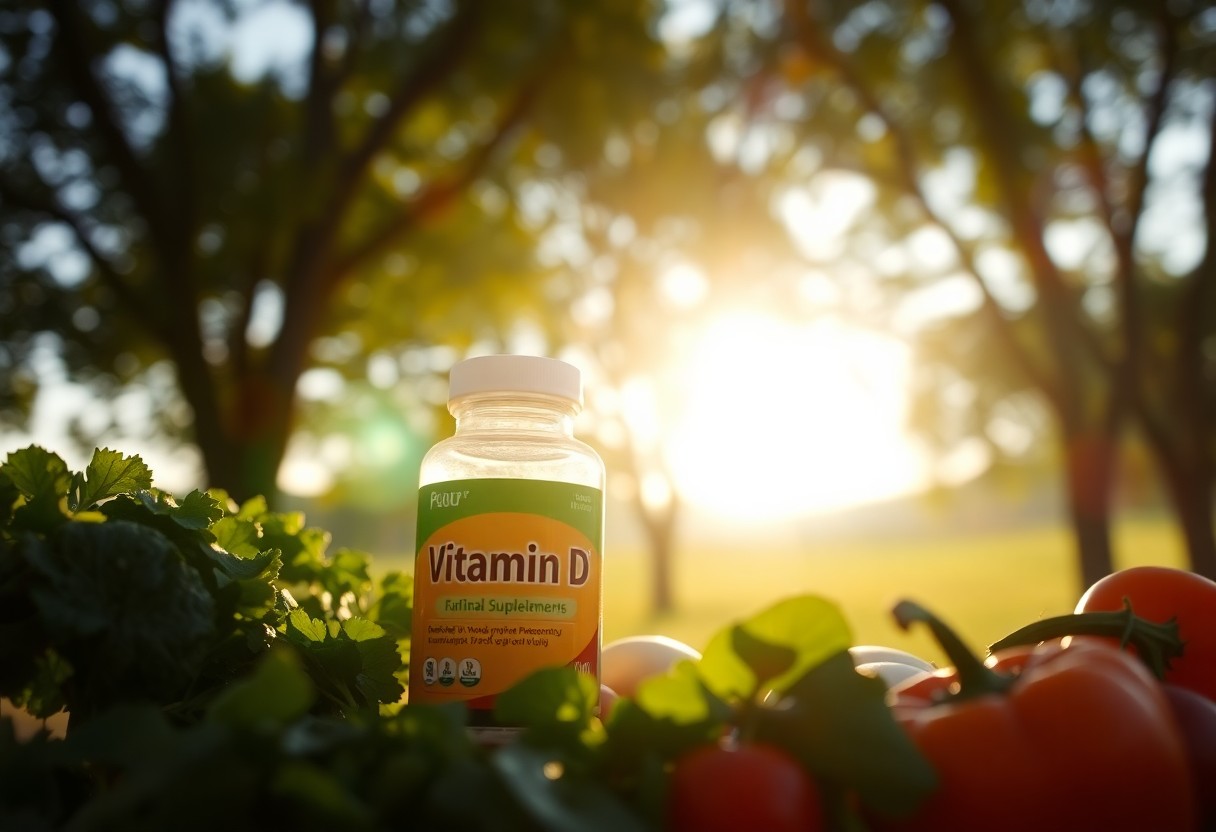
The Sunshine Vitamin: Why Vitamin D Matters
The Biochemical Role of Vitamin D in the Body
The impact of vitamin D on our bodily functions is profound and intricate. It primarily acts as a hormone, regulating calcium and phosphate levels in the blood, promoting healthy bone formation and maintenance. Beyond bone health, vitamin D is involved in immune system modulation, with research suggesting that it helps reduce the severity of autoimmune conditions. When I consider its multifaceted role, it becomes clear that vitamin D transcends mere bone building; it supports a complex network of physical and neurological processes.
How Sunlight Converts to Essential Nutrients
Exposure to sunlight triggers a fascinating biochemical process that converts cholesterol in our skin into vitamin D. This transformation begins when ultraviolet B (UVB) rays penetrate the skin, producing pre-vitamin D3, which subsequently undergoes thermal isomerization to form vitamin D3. This active vitamin D3 then travels to the liver and kidneys, where it is metabolized into calcitriol, the bioactive form of vitamin D that regulates calcium homeostasis. Understanding this natural synthesis empowers us to leverage sunlight as a vital resource for our health.
During this conversion process, the skin’s interaction with sunlight is both unique and imperative. You might not realize that merely 10 to 30 minutes of midday sun exposure a few times a week can provide adequate amounts of vitamin D for most people, depending on skin type, geographical location, and season. The brilliance lies in how the body responds dynamically to our needs—exposing larger skin areas leads to more vitamin D production. So, basking in the sun becomes not just a leisure activity but a profound, natural means to enhance your health. Yet, it remains imperative to balance this exposure with skin protection to avoid adverse effects.
Underappreciated Mood Enhancer: The Psychosocial Effects of Vitamin D
Vitamin D’s Influence on Mental Health
Research indicates that adequate levels of vitamin D can significantly influence mental health. Numerous studies have revealed a correlation between low vitamin D levels and increased rates of anxiety, depression, and mood disorders. Individuals with sufficient vitamin D often report feelings of well-being and enhanced emotional resilience. This necessary nutrient may directly affect serotonin production, a key neurotransmitter responsible for regulating mood. By ensuring you maintain optimal vitamin D levels, you can potentially bolster your mental health and cultivate a more positive outlook on life.
The Link Between Deficiency and Seasonal Affective Disorder
Challenges related to seasonal affective disorder (SAD) often stem from low light exposure and, consequently, diminished vitamin D synthesis. This seasonal condition triggers depressive symptoms during the fall and winter months, affecting many individuals around the globe. As sunlight wanes, so does the ability to produce adequate vitamin D, which may intensify feelings of lethargy, sadness, and disconnection.
Research has consistently shown that individuals suffering from SAD frequently present with vitamin D deficiencies. A study found that over 60% of patients diagnosed with SAD showed low levels of this vital nutrient. Light therapy and vitamin D supplementation have emerged as promising interventions for alleviating symptoms. By addressing vitamin D deficiency, you can combat the mood dip often experienced as the seasons change, fostering a brighter outlook even when daylight hours are limited.
The Bone Health Connection: Vitamin D’s Role in Calcium Absorption
The Mechanism of Calcium Metabolism
Vitamin D plays an imperative role in regulating calcium metabolism within the body. When I consume calcium-rich foods or supplements, vitamin D enhances intestinal absorption, ensuring that more calcium enters the bloodstream. This process occurs primarily in the small intestine, where vitamin D binds to specific receptors, facilitating the transport of calcium across the intestinal lining into the bloodstream. Without sufficient vitamin D, even the most calcium-rich diet may lead to lower levels of calcium absorption, jeopardizing bone integrity.
Osteoporosis and Public Health Implications
Osteoporosis affects millions worldwide, leading to an increased risk of fractures due to weakened bones. One in three women and one in five men aged over 50 will experience a fracture attributable to osteoporosis. Low vitamin D levels are often a significant contributing factor to this epidemic, as they compromise calcium absorption, ultimately resulting in diminished bone density.
The public health implications of osteoporosis are staggering, costing an estimated $19 billion annually in the United States alone for fractures. Research shows a direct correlation between vitamin D deficiency and the prevalence of osteoporosis, particularly in older adults. Addressing this deficiency can fortify protective measures against fractures and better support bone health, emphasizing the necessity of routine screening for vitamin D levels, especially in high-risk populations. Recognizing the vital role of vitamin D in bone health not only helps to reduce healthcare costs but also improves overall quality of life as we age, making prevention strategies imperative components of effective public health policy.
Vitamin D’s Role in Immune Function: Protection Beyond Bones
Immune System Modulation and Disease Resistance
Vitamin D plays a significant role in facilitating immune system modulation, acting as a *regulatory agent* for various immune responses. Studies have shown that adequate levels of vitamin D can enhance the pathogen-fighting effects of monocytes and macrophages, two types of white blood cells imperative for our body’s defense mechanisms. With vitamin D receptors present on many immune cells, this nutrient helps in the *prevention of autoimmune diseases* and reduces the risk of *respiratory infections*—making it a powerful ally in boosting overall *disease resistance*.
The Current Research Landscape on COVID-19 and Vitamin D
Recent studies have illuminated the *potential connection* between vitamin D levels and COVID-19 outcomes. Evidence suggests that individuals deficient in vitamin D may be at a heightened risk of *severe illness and mortality*. Research indicated that higher levels of vitamin D could correlate with better immune responses and possibly mitigate the severity of the disease.
Investigations into vitamin D’s influence during the pandemic revealed intriguing findings: some data indicated that patients with adequate vitamin D levels experienced lower rates of hospitalization and improved recovery. Published reviews have underscored the importance of ensuring optimal vitamin D status, especially in regions with limited sunlight exposure. Given the undeniable link to immune function, I find it fascinating to consider how this vitamin may be an effective tool in managing not only COVID-19 but also various respiratory diseases. The ongoing research will likely yield further insights that could reshape public health strategies in our fight against infections.
Dietary Sources and Supplements: Navigating Your Options
Natural Sources vs. Fortified Foods
Incorporating natural sources of vitamin D into your diet can be enjoyable and beneficial. Fatty fish like salmon, mackerel, and sardines are excellent choices, offering up to 1,000 IU per serving. Cod liver oil, another powerhouse, delivers a hefty dose of about 1,360 IU per tablespoon. Additionally, egg yolks and cheese provide small amounts, while fortified foods, such as milk and orange juice, can offer as much as 100 IU per serving. Finding a balance between these sources helps ensure you meet your daily requirements.
The Supplementation Debate: Risks and Benefits
Supplementing vitamin D is a growing trend, with many touting its potential to improve mood, support bone health, and enhance immune function. However, the risks associated with excessive consumption shouldn’t be underestimated. While safe upper limits are considered to be around 4,000 IU per day for most adults, long-term overuse can lead to toxicity, resulting in symptoms such as nausea, weakness, and compromised kidney function. On the positive side, for those lacking sun exposure or dietary intake, supplements can effectively fill the gap.
The landscape of vitamin D supplementation appears increasingly complex. For instance, a recent study revealed that approximately 41% of adults in the U.S. are deficient in this vitamin, putting them at risk for various health issues. It’s critical to approach supplementation with tailored guidance from healthcare providers. They can monitor your blood levels and recommend doses that align specifically with your health needs, effectively preventing both deficiency and the potential dangers of excessive intake. With individualized strategies, many people find that supplements are a useful adjunct to natural dietary sources, providing a more comprehensive approach to achieving optimal health and well-being.
The Seasonal Shift: How Geography Affects Vitamin D Levels
Latitude and UV Exposure Variations
Your geographical location significantly influences your vitamin D levels due to variations in UV exposure. Those living closer to the equator benefit from more intense sunlight year-round, allowing for optimal vitamin D synthesis. Conversely, at higher latitudes, particularly during the winter months, people may receive insufficient UV radiation, resulting in decreased vitamin D production. For instance, cities like Stockholm receive only about 15% of the UV radiation available in equatorial regions, leading to higher rates of vitamin D deficiency during colder seasons.
Cultural Practices and Its Impact on Vitamin Levels
Your cultural practices play a crucial role in determining how much vitamin D is available to you. In many cultures, clothing styles often cover significant portions of the skin, limiting sunlight exposure. For example, individuals in certain Middle Eastern or South Asian communities may wear traditional clothing that covers most of their bodies, thereby reducing their ability to synthesize vitamin D. Additionally, dietary habits may also impact vitamin D status, with some populations relying heavily on foods that are low in this necessary nutrient.
Considering the diversity of cultural practices, it’s clear that lifestyle choices intertwine with vitamin D availability. For instance, in regions where dairy consumption is low and sunlight exposure is minimized, vitamin D deficiencies can become prevalent. Furthermore, seasonal festivals and rituals may affect sun exposure, with individuals potentially spending long periods indoors during specific times of the year. An awareness of these cultural factors can lead to tailored health recommendations, ensuring that individuals, particularly those at risk of deficiency, receive informed guidance on maintaining optimal vitamin D levels.
Breaking Myths and Misconceptions: The Vitamin D Narrative
Debunking Common Misunderstandings
Misinformation about vitamin D is rampant, leading many to misunderstand its significance. People often believe that all vitamin D comes from sunlight, overlooking dietary sources like fatty fish or fortified foods. Some even think that higher levels of vitamin D equate to better health, whereas excessive levels can lead to toxicity and hypercalcemia. Clarity on these misconceptions is necessary for making empowered health decisions.
The Role of Misinformation in Health Trends
The rise of social media has dramatically influenced how health-related information spreads, creating a fertile ground for misinformation. A simple viral post can sway public opinion, but the accuracy is often overlooked. For example, the popular “take more vitamin D and you’ll ward off illnesses” trend lacks substantial evidence. Ironically, while aiming for improved health, individuals may engage in practices that lead to imbalances or harmful consequences.
Understanding the impact of misinformation in the context of vitamin D reveals a concerning trend. Studies indicate that over 50% of people trust health information shared by influencers, regardless of their qualifications. In the case of vitamin D, this leads to widespread *misuse of supplements* and health practices based on hearsay rather than scientific consensus. Knowledge distortion complicates already complex health choices, transforming well-intentioned efforts into potential health hazards.
The Future of Vitamin D Research: What Lies Ahead
Emerging Studies and Trends
Recent studies are uncovering fascinating aspects of vitamin D that extend far beyond its traditional roles. For instance, a study published in *Nature* highlighted a possible link between vitamin D levels and cognitive function, suggesting that higher levels might mitigate neurodegenerative diseases. As I explore deeper into this evolving field, the surge of research on vitamin D’s impact on various health outcomes keeps me intrigued—it speaks volumes about how dynamic this vitamin is in our quest for optimal health.
Potential New Applications in Health and Medicine
The implications of vitamin D research are paving the way for innovative health strategies, especially in fields like immunology and mental health. Given the breadth of vitamin D’s influence, its potential as an adjunct therapy for autoimmune conditions is particularly compelling. Recent findings indicate that vitamin D supplementation could bolster the immune response, particularly in those with autoimmune diseases such as lupus and rheumatoid arthritis.
Exploration into vitamin D as a potential adjunct therapy is gaining traction, particularly in conditions that involve chronic inflammation. A notable example comes from studies indicating that vitamin D can modulate immune function, potentially reducing flare-ups in autoimmune diseases. Moreover, associations between deficiency and mood disorders such as depression are prompting researchers to consider vitamin D as a promising tool in mental health interventions. Optimizing vitamin D levels could transform treatment paradigms for conditions we have long struggled to manage effectively. As research unveils these potential applications, it fuels the hope for more targeted and effective therapies in the years to come.
Conclusion
So, as I reflect on the multifaceted benefits of Vitamin D, I find it fascinating how this nutrient acts not merely as a mood booster, but also as a vital bone builder. You have the power to enhance your overall well-being by ensuring adequate Vitamin D levels in your life. I encourage you to explore the myriad ways it can positively impact both your mental and physical health. By doing so, you cultivate a more balanced and enriched existence.
FAQ
Q: What are the primary benefits of vitamin D for mood enhancement?
A: Vitamin D plays a significant role in the regulation of mood. Studies have indicated that adequate levels of vitamin D may help alleviate symptoms of anxiety and depression. This is thought to occur because vitamin D influences the production of serotonin, a neurotransmitter that contributes to feelings of well-being and happiness. Additionally, exposure to sunlight, which is a natural source of vitamin D, is often associated with improved mood, particularly during the winter months when seasonal affective disorder (SAD) may occur.
Q: How does vitamin D contribute to bone health?
A: Vitamin D is crucial for healthy bone development and maintenance. It assists in the absorption of calcium, which is a key mineral for building and maintaining bone density. Without sufficient vitamin D, bones may become thin, brittle, or misshapen, leading to conditions such as osteomalacia in adults and rickets in children. Moreover, vitamin D helps regulate the balance of calcium and phosphorus in the body, both of which are critical for bone integrity. Regular intake of vitamin D, whether through diet, supplements, or sunlight exposure, is beneficial for long-term bone health.
Q: Can vitamin D supplementation help in both mood enhancement and bone strengthening simultaneously?
A: Yes, vitamin D supplementation can provide benefits for both mood enhancement and bone strengthening at the same time. Individuals with low vitamin D levels may experience mood-related issues as well as a risk for weakened bones. By ensuring adequate vitamin D intake, individuals can support both their mental and skeletal health. Various studies suggest that addressing vitamin D deficiency through supplementation not only raises serum levels of this vitamin but may also lead to improvements in mood symptoms while promoting better calcium absorption for bone strength. It’s advisable to consult a healthcare professional before starting any supplementation regime.