


There’s a fascinating interplay between fatty fish and fortified foods that shapes our understanding of optimal Vitamin D intake. In this guide, I aim to navigate you through the crucial sources of this vital nutrient, highlighting the remarkable benefits it offers for your overall health. Understanding how to include these foods in your diet will not only enhance your well-being but also help guard against the potential dangers of Vitamin D deficiency. Join me as we explore the flavorful world of nutrition and its profound impact on our lives.
Key Takeaways:
- Fatty fish, such as salmon, mackerel, and sardines, are excellent natural sources of Vitamin D, making them beneficial for maintaining optimal levels.
- Fortified foods, including certain dairy products, plant milks, and cereals, can help boost Vitamin D intake, especially for individuals with limited sun exposure.
- Combining dietary sources of Vitamin D with sensible sun exposure can enhance overall nutrient absorption and support bone health.
The Nutritional Powerhouse: Why Fatty Fish Matters
Omega-3 Fatty Acids and Vitamin D Synergy
Fatty fish, such as salmon and mackerel, are not only rich sources of vitamin D but also packed with omega-3 fatty acids. These necessary fats work in harmony with vitamin D, supporting both cardiovascular health and cognitive function. Studies indicate that the combination of omega-3s and vitamin D may enhance the overall anti-inflammatory effects in your body, promoting a balanced immune response and better mental acuity. When you consume fatty fish, you’re necessaryly fortifying your diet with two vital nutrients that synergize to improve your health outcomes.
The Role of Fatty Fish in Ancient Diets
Historically, fatty fish have been a staple in the diets of coastal communities. Evidence shows that ancient civilizations relied on fish for survival, utilizing it as a primary source of energy and nutrition. I found it fascinating that groups like the Inuit consumed large amounts of fatty fish, providing not just sustenance but necessary vitamins and minerals, including vitamin D, which was vital in their harsh climates. This deep-rooted connection underscores the importance of fatty fish in human evolution, as their consumption allowed our ancestors to thrive in diverse environments.
Exploring the diets of ancient cultures reveals how fatty fish was integral to their survival strategies. For the Inuit, who faced extremely low sunlight exposure for months, the consumption of fish rich in vitamin D was a matter of life and health. Similarly, Mediterranean diets that incorporate oily fish demonstrate the lasting benefits and traditions tied to these nutrient-dense foods. As I probe deeper into these historical practices, it’s clear that the wisdom of our ancestors can guide us today; embracing fatty fish could very well enhance our modern health as it did theirs.
Vitamin D Deficiency: A Growing Global Health Crisis
Epidemiology of Deficiency in Different Populations
A significant portion of the global population grapples with vitamin D deficiency, with nearly 1 billion people affected. Factors such as geographical location, skin pigmentation, dietary habits, and lifestyle choices all play a role. For instance, in countries with limited sunlight exposure, like the Nordic regions, deficiency rates soar, with studies revealing that up to 90% of the elderly population may be deficient. Moreover, individuals with darker skin tones are at greater risk due to lower synthesis capacity of vitamin D when exposed to sunlight.
Consequences of Low Vitamin D Levels
Deficiencies in vitamin D can lead to a myriad of health issues, including weakened bones and an increased risk of chronic diseases. Osteoporosis is a significant consequence, making bones fragile and more susceptible to fractures. Furthermore, low levels are linked to cardiovascular diseases, certain cancers, and even mental health disorders like depression. Individuals with insufficient vitamin D levels may also experience a compromised immune response, rendering them more prone to infections.
The ramifications of vitamin D deficiency extend far beyond bone health. A study published in the New England Journal of Medicine indicated that individuals with low levels of vitamin D were more likely to develop chronic diseases, including type 2 diabetes. Furthermore, research has shown that low vitamin D levels can impair the body’s ability to regulate insulin, which can lead to metabolic disorders. Mental health studies also reveal an alarming correlation between low vitamin D and depressive symptoms, highlighting the vitamin’s role in brain function and emotional well-being. Addressing vitamin D deficiency isn’t just about bolstering bone strength; it’s a multifaceted public health concern that warrants our attention and action.
The Fatty Fish Recommendations: What You Need to Know
Top Five Fatty Fish for Optimal Vitamin D Intake
In the context of boosting your vitamin D levels, certain fatty fish emerge as the real champions. I recommend prioritizing salmon, with its rich fat content providing approximately 570 IU of vitamin D per 3.5-ounce serving, followed by sardines at around 272 IU. Other fish worth your attention include mackerel (around 360 IU), trout (about 645 IU), and herring (around 500 IU), each delivering potent doses of this imperative nutrient while also supplying heart-healthy omega-3 fatty acids.
Recommended Consumption Frequencies and Portions
To reap the benefits of these oceanic delights, incorporating fatty fish into your diet at least twice a week is recommended. A standard serving size is approximately 3 to 4 ounces, allowing you to enjoy a diverse yet balanced diet while meeting your vitamin D needs without overindulging.
Integrating fatty fish into your meals doesn’t need to be a tedious task. I find that enjoying fish twice weekly—such as salmon on Sundays and mackerel midweek—ensures I’m consistently getting enough vitamin D and omega-3s. Whether you grill, bake, or pan-fry, these cooking methods preserve the nutritional benefits while adding flavor. Additionally, pairing these fish dishes with fresh vegetables or whole grains can create satisfying meals that promote overall health, making my dietary routine not only enriching but enjoyable as well.
Fortified Foods: A Practical Approach to Vitamin D
Identifying Fortified Foods in Your Diet
While exploring your options for vitamin D, look for fortified foods as an easy way to boost your intake. Common products like milk, orange juice, and breakfast cereals often have added vitamin D. I encourage you to check the nutrition labels, as the amount can vary significantly. Some brands opt for higher levels, while others provide minimal amounts. Incorporating these fortified choices can help you meet your daily needs without drastic changes to your diet.
The Science Behind Fortification: Safety and Efficacy
The fortification of foods with vitamin D is backed by extensive scientific research that shows it is both safe and effective in alleviating deficiency. Studies indicate that well-regulated fortification programs help populations achieve sufficient vitamin D levels without adverse effects. It’s fascinating to note that landmark public health initiatives in countries like Finland significantly reduced rickets and other deficiency-related diseases through this strategy.
For over half a century, vitamin D fortification has been a reliable method for preventing deficiencies in numerous populations. Regulatory agencies, such as the U.S. Food and Drug Administration (FDA), monitor these practices, ensuring that long-term consumption remains within recommended limits, thus safeguarding against potential toxicity. While occasional excessive intake can be harmful, the quantities used in fortified foods have undergone rigorous testing, confirming that they contribute positively to your overall health without imposing risks. This blend of science and regulation makes fortified foods a smart and practical choice for optimizing your vitamin D intake.
Cooking Techniques: Maximizing Nutrient Retention
Best Practices for Cooking Fatty Fish
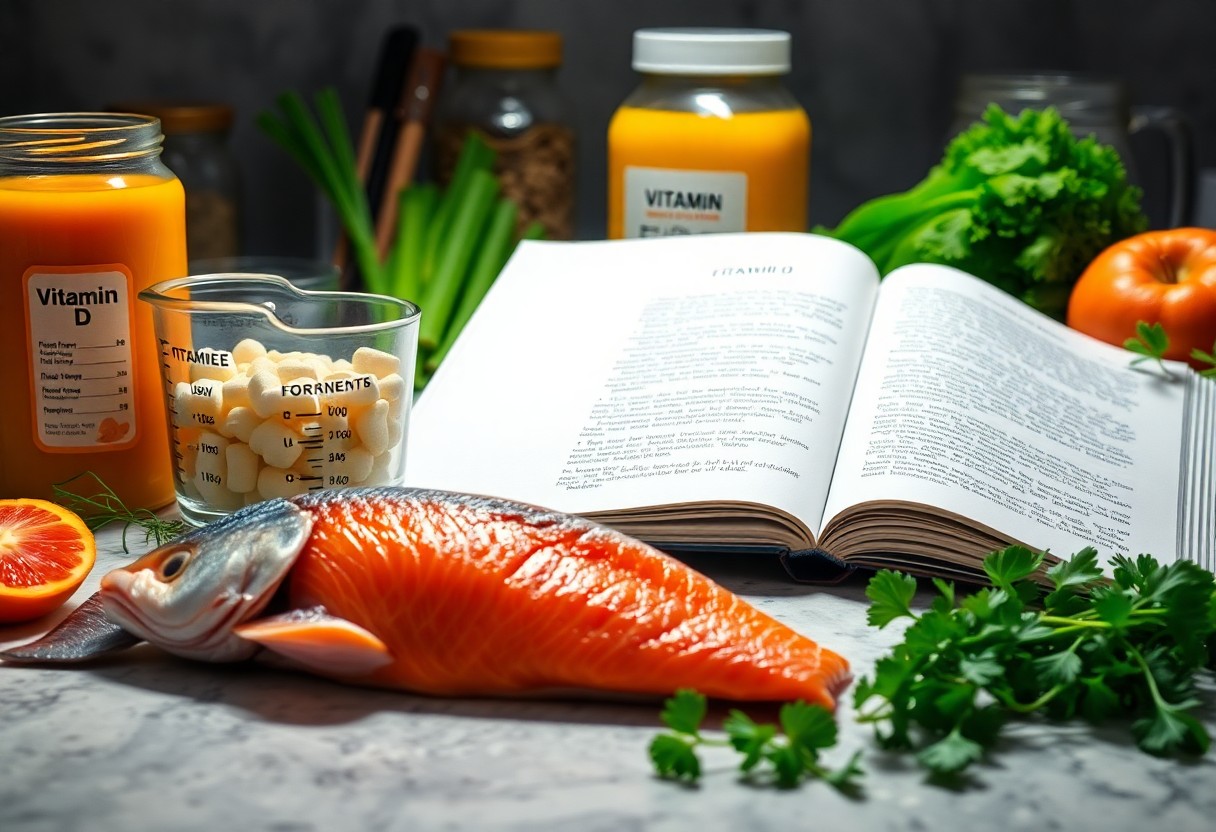
To retain the maximum nutrient value in fatty fish, opt for gentle cooking methods such as steaming, poaching, or baking. These techniques help preserve crucial omega-3 fatty acids and vitamin D, which can degrade at high temperatures. Avoid frying and grilling directly over high heat, as they can lead to nutrient loss due to temperature stress. Instead, consider using a low oven with parchment paper or a foil wrap to keep moisture in, while slowly transforming your fish into a flavorful, nutrient-dense meal.
Pairing Fatty Fish with Foods That Enhance Vitamin Absorption
Incorporating certain foods alongside fatty fish can significantly boost vitamin D absorption in your body. Fats play a vital role in this process, as vitamin D is a fat-soluble vitamin. Pairing your meals with healthy fats, such as avocado, olive oil, or nuts, can maximize the uptake of vitamin D from the fish. Furthermore, incorporating foods rich in magnesium, like leafy greens and whole grains, can also facilitate better absorption, helping you reap the full benefits of your dish.
For instance, a salmon salad dressed with a zesty olive oil vinaigrette and sprinkled with walnuts creates an inviting combination that not only delights the palate but also promotes efficient vitamin D absorption. The healthy fats in the olive oil and walnuts enhance your body’s ability to utilize the vitamin D found in the fish. Pairing these nutrient-dense foods strategically can elevate your meal from simply nourishing to optimally beneficial, ensuring that your body receives the crucial nutrients it deserves.
Beyond Food: Lifestyle and Environmental Factors
- Sun Exposure
- Geographical Location
- Seasonal Variations
- Skin Tone
- Age and Health Status
The Impact of Sun Exposure on Vitamin D Levels
Sun exposure plays a pivotal role in synthesizing vitamin D in our bodies. When your skin is exposed to sunlight, particularly UVB rays, it triggers a chemical reaction that produces this necessary vitamin. Factors such as geographical location, seasonal variations, and even the amount of skin exposed can significantly affect how much vitamin D you generate. Aim for about 10 to 30 minutes of midday sun several times a week, but be cautious to avoid overexposure and protect your skin from harmful UV rays.
Integrating Supplements: When and How
For individuals unable to obtain sufficient vitamin D from diet or sun exposure, incorporating supplements can be an effective strategy. The appropriate dosage often hinges on factors including age, health status, and existing blood levels of vitamin D. Consulting a healthcare provider ensures you’re making informed choices about supplementation—they might suggest Vitamin D3 for enhanced efficacy, particularly during the winter months when sunlight is scarce.
Integrating supplements into your routine should be approached with careful consideration. Start by assessing your dietary intake and lifestyle to determine if you fall short in achieving optimal vitamin D levels. Testing your blood levels can also provide clarity on whether supplementation is necessary. Depending on the results and expert recommendations, daily doses can vary; however, adults are generally advised to consider 600 to 800 IU per day. Recognizing the need for supplemental vitamin D empowers you to take charge of your health effectively.
The Controversies: Addressing Misinformation About Fatty Fish
Debunking Myths Related to Mercury and Sustainability
Concerns about mercury levels in fatty fish often deter people from reaping their benefits. While certain species, like shark and swordfish, do have high mercury concentrations, others, such as salmon and sardines, are deemed safe. In fact, regular consumption of low-mercury options can positively impact your health. Furthermore, sustainable fishing practices are gaining traction, ensuring that fish populations are responsibly managed, thus alleviating worries about the long-term ecological impact of seafood consumption.
Navigating Dietary Restrictions and Personal Choices
Dietary restrictions often pose challenges when incorporating fatty fish into your meals. For those adhering to vegetarian or vegan lifestyles, there are alternatives to achieve similar vitamin D levels, like fortified plant-based milks and supplements. A shift toward brown algae or seaweed-based products can also mimic the beneficial omega-3s found in fish, providing you with versatile options that align with personal beliefs and dietary constraints.
Finding suitable sources of vitamin D while navigating dietary restrictions can be quite the journey. For vegetarians and vegans, fortified foods such as plant-based milks, orange juice, and cereals are readily available, offering effective alternatives to fatty fish. Additionally, you might consider algae-based supplements, which not only mimic omega-3 fatty acids found in fish but also provide a sustainable solution. Understanding your unique dietary needs enables you to make informed choices that support your health without compromising your ethics.
The Future of Dietary Guidelines: Trends in Vitamin D Consumption
Innovations in Food Production and Fortification
Recent advances in food technology are paving new avenues for vitamin D fortification, crucial for public health. Fortified foods are becoming more prevalent as companies explore innovative solutions, from bioengineering yeast to produce vitamin D to employing enhanced food processing methods. These innovations promise not only to increase public access to key nutrients but also to improve safety and stability during production. One notable trend includes the use of algae, a sustainable source of vitamin D that could revolutionize dietary options for vegetarians and vegans.
Policy Recommendations for Public Health
To address widespread vitamin D deficiency, health authorities should consider integrating comprehensive strategies into dietary guidelines. Policy adjustments may include mandatory fortification of staple foods, stricter regulations on food labeling, and targeted education campaigns. These recommendations are not merely reactive; proactive measures have shown to significantly improve population health outcomes. Sweden’s successful initiative to fortify margarine with vitamin D serves as a compelling model for similar global endeavors.
Implementing policies that promote vitamin D fortification requires collaboration between health organizations, governments, and food manufacturers. Establishing standards for fortification levels can prevent deficiencies while ensuring that populations receive adequate intake without risks of hypervitaminosis. Moreover, educational outreach can empower communities to prioritize foods rich in vitamin D, while guidelines may encourage regular screening for vitamin D levels, especially for vulnerable groups like the elderly and individuals with limited sun exposure. I believe that a well-rounded approach, merging science and policy, is pivotal in shaping a future where everyone benefits from optimal vitamin D consumption.
Conclusion
As a reminder, I believe that incorporating fatty fish and fortified foods into your diet is important for achieving optimal vitamin D levels. You have the power to enhance your health by making informed dietary choices that include these nutrient-rich options. By understanding the significance of vitamin D and actively seeking out these sources, you can support your overall well-being. The pursuit of knowledge, much like the scientific method, enhances our lives—so embrace this journey towards better health with enthusiasm and purpose.
FAQ
Q: What types of fatty fish are recommended for increasing vitamin D intake?
A: Fatty fish are among the best natural sources of vitamin D. Some ideal options include salmon, mackerel, sardines, and herring. For instance, a serving of salmon can provide up to 570 IU of vitamin D, while mackerel offers around 360 IU. Incorporating these fish into your regular diet can significantly boost your vitamin D levels, supporting overall health.
Q: How can fortified foods contribute to adequate vitamin D levels?
A: Fortified foods are products that have been enhanced with vitamins and minerals that may not be naturally present in sufficient amounts. Common fortified items include milk, orange juice, and breakfast cereals, which often contain added vitamin D. Consuming these foods as part of a balanced diet can help you meet your daily vitamin D needs, especially if dietary sources are limited.
Q: What is the recommended daily intake of vitamin D, and how can I ensure I meet it?
A: The recommended dietary allowance (RDA) for vitamin D varies by age, with adults typically needing 600 to 800 IU per day. To ensure adequate vitamin D levels, aim to incorporate a variety of dietary sources such as fatty fish and fortified foods. Additionally, consider safe sun exposure, as sunlight stimulates natural vitamin D production in the skin. If you suspect you are not meeting your needs, consult a healthcare professional for personalized advice or consider supplementation.