



Vitamin D plays a fundamental role in human health, influencing everything from bone density to immune function. He, she, and they often overlook the importance of incorporating vitamin D-rich foods into their diets. Given the increase in sedentary lifestyles and indoor living, a well-balanced intake of this vital nutrient is necessary for overall well-being. In this article, viewers will discover 10 nutritious foods that not only provide a wealth of vitamins but also help boost mood and vitality. Explore how these foods can enhance their diet and promote long-term health.
Key Takeaways:
- Vitamin D Sources: Incorporating foods like fatty fish, egg yolks, and fortified products can significantly increase your vitamin D intake.
- Health Benefits: Adequate vitamin D levels are important for maintaining bone health, supporting immune function, and improving overall mood.
- Dietary Variety: A varied diet including mushrooms and dairy can provide alternative sources of vitamin D for those with dietary restrictions.
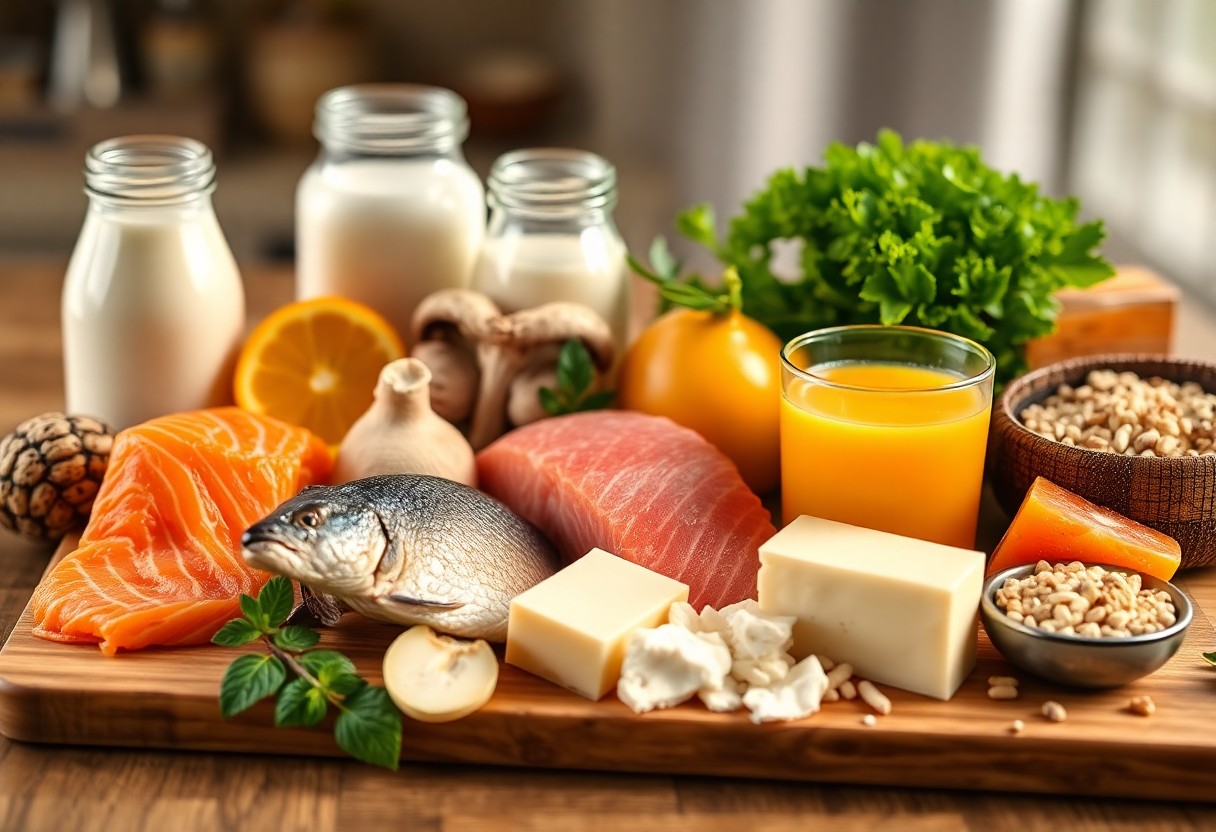
Fatty Fish
While many food options are on the market today, fatty fish stands out due to its significant health benefits, particularly its high levels of vitamin D. Rich in both omega-3 fatty acids and vital nutrients, fatty fish has long been championed as a pivotal component of a balanced diet. Regular consumption of these fish can profoundly impact one’s health, promoting cardiovascular function and cognitive vitality, ultimately enhancing overall well-being.
Salmon
Salmon, often referred to as one of the healthiest fish varieties, is an extraordinary source of vitamin D. The flesh of this vibrant fish can contain up to 566 IU of vitamin D per serving, depending on its environment. Whether sourced from the wild or farmed, salmon remains an excellent option for those seeking to boost their vitamin D levels.
Moreover, the variety of ways to prepare salmon enhances its appeal. From smoked to grilled, the fish can fit seamlessly into various culinary contexts, making it accessible for all. Thus, by incorporating salmon into their dietary repertoire, individuals not only increase their vitamin D intake but also enjoy a delightful dining experience.
Mackerel
With a renowned history in culinary traditions around the globe, mackerel is another fatty fish that excels in its vitamin D content. A single serving of mackerel can provide as much as 345 IU of vitamin D, ensuring that this delicious fish plays a vital role in dietary considerations. It is not only a flavor-packed option but also contributes vital nutrients that support overall health.
This fish is commonly found in various environments, from cold waters to warmer coastal regions. It is particularly favored for its rich, flavorful meat and high-fat content, which makes it a delectable addition to many dishes. Furthermore, mackerel is also high in omega-3 fatty acids, which are known to assist in reducing inflammation and improving heart health. Hence, they will find that including mackerel in their meals not only provides their body with necessary vitamin D but also enhances their overall vitality.
Cod Liver Oil
If one seeks a potent source of Vitamin D, then cod liver oil is a remarkable option. This oil, derived from the livers of codfish, is revered not only for its high vitamin D content but also for its multitude of health benefits. He or she will find that it serves as an effective supplement in promoting overall well-being, particularly for those who may struggle to acquire enough vitamin D through sunlight and diet alone.
Benefits for Bones
Some scientific studies have consistently demonstrated that vitamin D plays an integral role in bone health. He or she can ascertain that vitamin D enhances calcium absorption in the gut, a property that is vital for maintaining healthy bone density. Furthermore, the intake of cod liver oil has been associated with a reduced risk of fractures and bone-related diseases, such as osteoporosis, especially among older adults.
Some individuals may also find that adequate vitamin D levels, coupled with the benefits of cod liver oil, help in the prevention of rickets in children and osteomalacia in adults. Through extensive research, the importance of maintaining optimal vitamin D levels for bone health has become unequivocal. Thus, he or she can take comfort in knowing that cod liver oil offers a natural solution to support skeletal integrity.
Source of Omega-3
Some may not realize that cod liver oil is also an excellent source of omega-3 fatty acids, particularly EPA and DHA. These imperative fatty acids are renowned for their anti-inflammatory properties, contributing positively to cardiovascular health. By integrating cod liver oil into their diets, individuals can benefit from not just vitamin D, but also the remarkable advantages of omega-3s that contribute to overall physical well-being.
Source: Omega-3 fatty acids are imperative, meaning that they cannot be synthesized by the body and must be obtained through dietary sources. Cod liver oil stands out as a superior option for omega-3 intake, as it offers these fatty acids in a highly bioavailable form. Individuals should take heed of the fact that the anti-inflammatory effects of omega-3 may lead to improved mental health and cognitive function, positioning cod liver oil as a multifaceted supplement worth considering.
Fortified Milk
Keep in mind that fortified milk serves as an excellent source of vitamin D, an necessary nutrient that plays a significant role in various bodily functions, particularly in bone health. The addition of this vitamin transforms regular milk into a powerful dietary component, helping individuals meet their daily requirements. He, she, or they may find that incorporating fortified milk into their diet provides a convenient method to enhance their vitamin D intake, especially for those who may have limited exposure to sunlight.
Vitamin D added
An increasing number of dairy producers have recognized the importance of adding vitamin D to their milk products. This fortification process often involves the addition of vitamin D2 or D3, both forms that are beneficial for human health. He, she, or they may benefit from this enhancement, particularly those with dietary restrictions limiting their intake of natural sources of this vitamin. The prevalence of fortified milk has made it considerably simpler for individuals to obtain sufficient amounts of vitamin D without making significant alterations to their dietary habits.
Popular choice
Added to its nutritional value, fortified milk has become a popular choice among various populations, especially families looking to foster healthy habits in their children. The creamy texture and natural flavor of milk blend seamlessly with the enhanced nutritional profile, making it an appealing option. He, she, or they often rely on fortified milk as a staple in their diets, providing not only vitamin D but also calcium and other necessary nutrients that are vital for growth and development.
You can find fortified milk available in various forms, including whole, low-fat, and non-fat options, catering to a wide range of taste preferences and dietary needs. Many people appreciate the flexibility of incorporating fortified milk into smoothies, cereals, or simply enjoying it as a refreshing beverage. This accessibility allows for a broader reach in combating vitamin D deficiency among diverse demographics while promoting overall health and wellness.
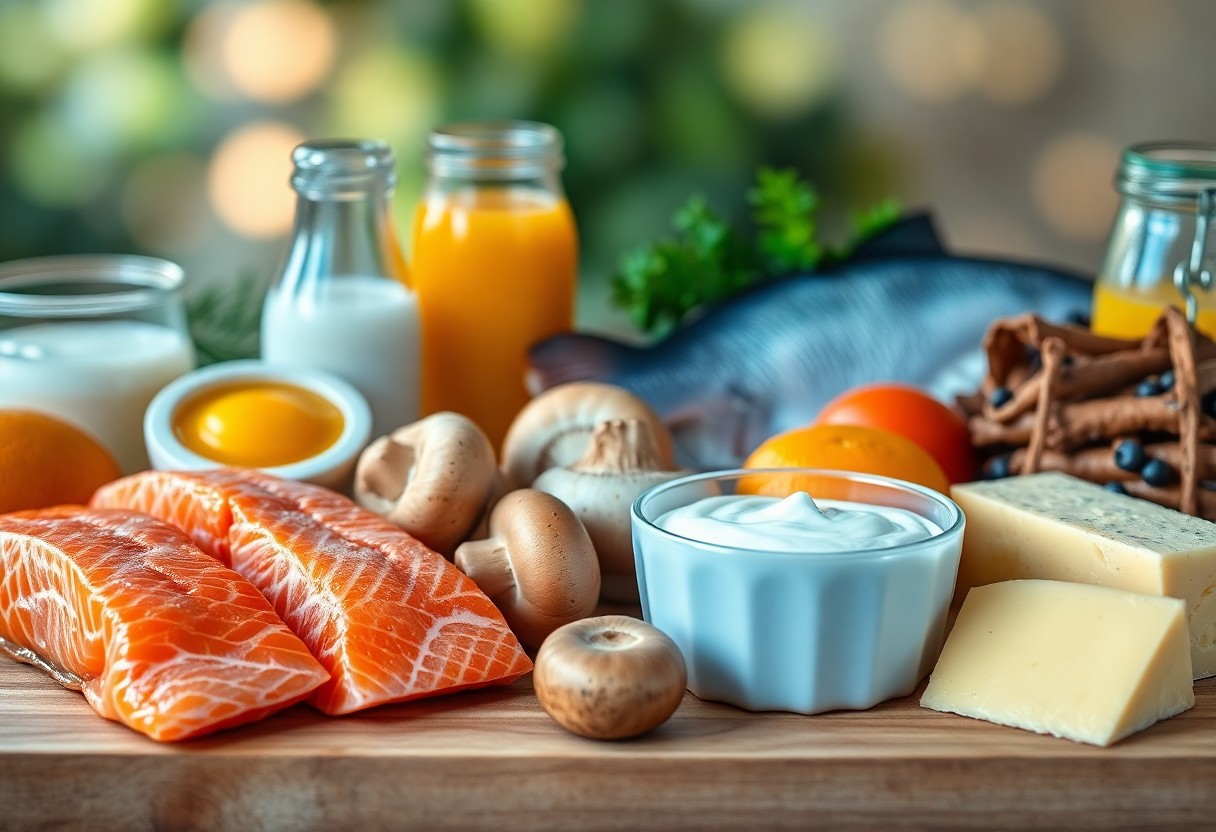
Fortified Cereals
Many people often overlook the fact that fortified cereals can serve as a vital source of vitamin D in their diets. While they are typically associated with breakfast, the versatility and ease of preparation make them accessible throughout the day. Fortified cereals are manufactured with added vitamins and minerals, specifically designed to help individuals reach their daily nutritional requirements. By incorporating these cereals into their meals, they can conveniently enhance their vitamin D intake, alongside other vital nutrients that promote overall health.
Convenient Breakfast Option
To fit into a fast-paced lifestyle, individuals often seek quick and easy breakfast solutions. Fortified cereals provide an excellent option due to their simplicity and speed of preparation. They can be enjoyed with milk or yogurt, or even topped with fruits and nuts, making for a nourishing meal that requires minimal effort. This characteristic becomes particularly appealing for those who lead busy lives or have limited time in the mornings, yet still wish to prioritize their health.
Nutrient-Dense Choice
If individuals are searching for a food that offers a plethora of nutrients in one package, fortified cereals rank highly among their options. These cereals can be tailored to include a variety of added vitamins, such as B vitamins, iron, and calcium, in addition to vitamin D. This fortification addresses potential dietary gaps, ensuring that they consume key nutrients that might be lacking in their regular meals.
Choice opens up avenues for enhanced vitality and well-being, particularly when one opts for fortified cereals rich in vitamin D. By selecting cereals that are designed to fuel the body with necessary vitamins and minerals, he or she ensures an intake of vital nutrients that can bolster their immune system and promote bone health. Such a dietary choice not only simplifies meal planning but also aids in achieving a balanced diet, especially for those who may find it challenging to absorb adequate vitamin D through sunlight exposure or other food sources.
Egg Yolks
For those seeking to increase their vitamin D intake, egg yolks present a practical option. These small yet powerful sources of nutrition offer a variety of culinary applications, making them a staple in many diets. She can easily incorporate egg yolks into even the simplest of meals, whether through scrambled eggs, omelets, or as an enriching addition to various dishes. The convenience of preparing eggs makes them an accessible source of high-quality nutrition for anyone aiming to boost their vitamin D consumption.
Easy to prepare
Easy to cook and versatile, egg yolks can be a part of breakfast, lunch, or dinner. They lend themselves to multiple preparation methods, such as poaching, boiling, or frying, which allows for creativity in the kitchen. They can also be blended into smoothies or incorporated into sauces, providing an effortless way to enhance nutrition without much extra effort or cleanup.
Rich in nutrients
Easy to overlook, egg yolks are not only rich in vitamin D but also packed with other important nutrients. Each yolk contains a variety of vitamins and minerals, including omega-3 fatty acids, vitamin A, and choline. These nutrients work synergistically, contributing to overall health and well-being. Furthermore, egg yolks possess a unique array of antioxidants that can support eye health and protect against oxidative stress.
It is noteworthy that egg yolks carry high cholesterol levels, which has led to misconceptions about their health implications. However, recent studies suggest that dietary cholesterol does not significantly impact blood cholesterol levels for most individuals. Thus, incorporating egg yolks into one’s diet can provide a substantial benefit, particularly as a source of vitamin D, while contributing to a robust nutrient profile that supports brain function, heart health, and overall vitality.
Mushrooms
Once again, one finds that mushrooms present themselves not merely as culinary delights but also as a remarkable source of crucial nutrients, particularly vitamin D. These unique fungi can absorb sunlight, similar to plants, and thereby synthesize vitamin D when exposed to ultraviolet light. As a result, they offer a vegetarian-friendly option for those seeking to enhance their vitamin D intake. In a world where dietary restrictions are abundant, mushrooms provide a bridge between palate and nutrition.
Sun-exposed varieties
Any mushroom grown under sunlight possesses significantly higher levels of vitamin D than those cultivated in the dark. Varieties such as shiitake and maitake demonstrate profound differences in their nutrient profiles when allowed to bask in sunlight. Cultivators who expose their harvests to ultraviolet light have made significant strides in increasing the vitamin D content, making these sun-kissed fungi an invaluable asset to the health-conscious consumer.
Plant-based source
An emerging understanding of dietary needs reveals that mushrooms serve as a rare plant-based source of vitamin D, specifically in the form of vitamin D2. While many sources of this important nutrient are animal-derived, mushrooms break this mold, offering vegetarians and vegans an alternative means to support bone health and immune function. The presence of vitamin D2 means they can contribute positively to one’s overall health profile.
To fully leverage the benefits mushrooms offer, one must consider their preparation and consumption methods. Those wishing to maximize their vitamin D intake should focus on incorporating sun-exposed varieties into their meals. Moreover, it is advisable to consume them alongside sources of healthy fats, as the absorption of vitamin D is enhanced by the presence of lipids. The marvel of mushrooms as a nutrient-dense food choice is underscored by their ability to thrive in various environments while concurrently enriching human diets with the elusive vitamin D.
Cheese
Not all cheeses are created equal when it comes to their vitamin D content. He finds that certain types like Swiss, Gouda, and cheddar provide a moderate amount of this imperative nutrient, which plays a significant role in maintaining healthy bones and immune function. While cheese is not typically recognized as a primary source of vitamin D, it does offer a beneficial alternative to those who may have dietary restrictions affecting their nutrition.
Moderate Vitamin D
You may be surprised to learn that enjoying cheese can positively influence one’s vitamin D levels. Many individuals do not think of cheese as a vital player in their diet, yet a variety of cheeses contain meaningful concentrations of this nutrient, especially when fortified. This aspect positions cheese as a practical option for those wanting to enhance their dietary intake of vitamin D without resorting to supplements.
Versatile Ingredient
Even those who might be hesitant about incorporating cheese into their diets could reconsider once they realize its remarkable versatility. Cheese can be incorporated into numerous dishes, ranging from simple salads to elaborate pasta creations, providing both flavor and nutrition. This adaptability makes it easy to enjoy while also contributing to daily vitamin D intake.
Ingredient-wise, cheese acts as an effective culinary companion that can elevate the nutritional profile of various meals. Its ability to meld seamlessly with ingredients in both savory and sweet contexts offers countless opportunities for innovation in the kitchen. Not only does it serve as a delicious addition, but it also supports the body’s needs with its nutrient-dense properties. Thus, individuals may reap the benefits of both taste and health by thoughtfully integrating cheese into their diets.
Beef Liver
Unlike many other sources of vitamin D, which are typically found in fish or fortified foods, beef liver stands out as an exceptional option. This organ meat, often overlooked in modern diets, is celebrated for its impressive nutrient composition. Packed with vitamin D, vitamin A, iron, and other imperative nutrients, beef liver serves as a powerhouse contributing to overall health. By consuming liver, individuals may significantly boost their vitamin D levels, which is vital for maintaining healthy bones and supporting immune function.
Nutrient powerhouse
One standout feature of beef liver is its extraordinary concentration of nutrients. This organ meat provides an abundance of vitamins and minerals in a small serving size, making it one of the most nutrient-dense foods available. For example, just a 3-ounce serving can offer about 42 micrograms of vitamin D, surpassing the recommended daily intake for adults. This bioavailable form of vitamin D can positively impact calcium metabolism and bone health.
Moreover, beef liver is not solely limited to its vitamin D contribution. It is also rich in heme iron, which is the type of iron most easily absorbed by the human body. This potent combination of nutrients makes beef liver a remarkable addition to any diet, particularly for those looking to improve their overall nutritional status.
Unique flavor
Clearly, the taste of beef liver is a subject of plenty of gastronomic debate. While some may find its flavor to be intense or earthy, others appreciate its rich and robust nature. This distinctive flavor can lend itself well to various culinary preparations, where it can be complemented with spices, herbs, or acidic components like lemon juice to enhance its appeal.
Beef liver, when prepared correctly, can be transformed into a delectable dish. Chefs often recommend marinating it beforehand to mitigate its assertive taste, which allows the liver to absorb flavors and become more palatable. The versatility of beef liver ensures that it can be enjoyed in various cuisines, from traditional pate to stir-fried dishes, ultimately offering a culinary experience that is both nutritious and unique.
Soy Milk
After exploring various food sources rich in vitamin D, he may find himself contemplating the merits of soy milk. This plant-based beverage is gaining traction as a popular alternative to dairy, offering numerous health benefits that are worth considering. With a growing awareness of dietary preferences and restrictions, she recognizes that soy milk is not only lactose-free but also contains a range of important nutrients. It’s a complete protein, packed with both heart-healthy fats and fiber, making it a suitable option for individuals looking to enhance their overall health.
Plant-based alternative
Clearly, for those who follow a vegan lifestyle or are simply looking for a way to reduce their consumption of animal products, soy milk provides a stellar plant-based alternative. Its creamy texture and versatility allow him to easily incorporate it into various recipes, from smoothies to sauces. Additionally, its naturally occurring nutrients can promote overall well-being, making it an appealing choice for those striving to maintain a balanced diet.
Fortified options available
You may be surprised to learn that many brands of soy milk come fortified with additional vitamin D. These fortified options can play a significant role in helping individuals meet their daily vitamin D requirements, especially for those who may not get enough sun exposure. It is important for maintaining strong bones and overall health, thus making fortified soy milk a valuable consideration.
With a variety of fortified soy milk products on the market, he can easily select a brand that fits their dietary preferences. Some versions are enriched not only with vitamin D but also with calcium, providing a double benefit to those seeking a nutrient-rich, plant-based beverage. By incorporating fortified soy milk into his diet, they take a proactive approach toward supporting their health, particularly during seasons when sunlight is scarce.
Yogurt
To appreciate the nutritional wonders of yogurt, one must first consider its creamy texture, which not only makes it a delightful culinary choice but also serves as a medium for an array of health benefits. An individual who includes yogurt in their diet is likely to encounter a spectrum of probiotics and nutrients, among which vitamin D plays a pivotal role. This vitamin, often referred to as the sunshine vitamin, is important for maintaining bone health and supporting the immune system. The creamy goodness of yogurt may entice people to consume it regularly, thus augmenting their dietary intake of this valuable nutrient.
Creamy texture
An exquisite aspect of yogurt lies in its smooth and creamy texture, which enhances its appeal and palatability. They might find that this delightful consistency complements various fruits, nuts, or honey, making it an accessible source of nutrition for individuals of all ages. Additionally, the creamy texture provides a satisfying mouthfeel that can turn an ordinary meal into a blissful experience.
Probiotic benefits
With the rise of health consciousness, yogurt has emerged as a popular choice among individuals striving for a balanced diet. They are often drawn to the probiotic strains naturally present in yogurt, which contribute to a healthy gut microbiome. These beneficial bacteria not only aid in digestion but also play a significant role in enhancing the immune system. Cultivating a diverse population of gut bacteria can lead to various health benefits, from improved mood to reduced inflammation, underscoring why yogurt can be a wise addition to one’s diet.
For instance, probiotics like Lactobacillus and Bifidobacterium in yogurt have been linked to improved digestion and may help combat disorders such as irritable bowel syndrome. By fostering a healthy gut flora, yogurt’s probiotic content may contribute to better overall health, thereby allowing individuals to harness an additional layer of benefits that vitamin D and other nutrients present in yogurt provide. Additionally, the presence of vitamin D in many commercial yogurt brands enhances its efficacy, as this synergy between probiotics and key vitamins yields a formidable nutritional powerhouse that can aid in maintaining a robust immune system and overall well-being.
To wrap up
Conclusively, the exploration of 10 nutritious foods that are high in vitamin D reveals a fascinating intersection between nutrition and health. He, she, and they must recognize the significance of incorporating these foods into their diets to sustain optimal bodily functions. Whether through fatty fish, fortified dairy products, or sunlight exposure, the multifaceted roles vitamin D plays in bone health, immune function, and overall wellness cannot be overstated. This nutrient, often overlooked, presents an imperative aspect of a balanced diet that requires attention and consideration.
Moreover, as awareness about nutritional needs continues to evolve, he, she, and they can benefit greatly from understanding the variety of choices available. Engaging with this knowledge propels them toward making informed dietary selections that foster better health. In a world where health and nutrition are increasingly prioritized, acknowledging the dietary sources of vitamin D allows individuals to enhance their well-being and embrace a more vibrant life. Such understanding is not merely an academic exercise but a pathway to informed choices in everyday living.
Q: What are some foods that are naturally high in Vitamin D?
A: Some nutritious foods that are naturally high in Vitamin D include fatty fish such as salmon, mackerel, and sardines. Other sources include cod liver oil, fortified dairy products, and egg yolks. Additionally, mushrooms exposed to UV light can provide a significant amount of Vitamin D. Incorporating these foods into your diet can help boost your Vitamin D levels effectively.
Q: How can fortified foods contribute to my Vitamin D intake?
A: Fortified foods are those that have had Vitamin D added to them during processing. Common examples include fortified milk, orange juice, and breakfast cereals. These foods can help individuals who may not get enough Vitamin D from natural sources alone meet their daily requirements. Checking labels for fortified options can be a great way to enhance your nutrient intake, especially in regions with limited sunlight exposure.
Q: What are the benefits of consuming foods high in Vitamin D?
A: Consuming foods rich in Vitamin D offers several health benefits. It plays a significant role in promoting bone health by aiding calcium absorption, which is crucial for maintaining strong bones and teeth. Additionally, Vitamin D is important for immune function and may support muscle health. An adequate level of Vitamin D can also contribute to overall emotional well-being and help reduce the risk of chronic diseases.