


A molecule once confined to glycemic control now reshapes medicine’s understanding of metabolic signaling. GLP-1 agonists demonstrate profound effects on weight, cardiovascular resilience, and neurodegeneration. What began as a therapy for type 2 diabetes reveals unexpected protective roles in organs far beyond the pancreas. These drugs influence appetite circuits, reduce inflammatory cascades, and may slow organ decline-effects so broad they challenge conventional disease categories.
Key Takeaways:
- GLP-1 receptor agonists are showing measurable effects in weight management, with clinical trials indicating sustained reductions in body mass index, particularly in individuals with obesity but without type 2 diabetes.
- Emerging data link these therapies to improved cardiovascular outcomes, including reduced incidence of major adverse cardiac events, independent of their glucose-lowering properties.
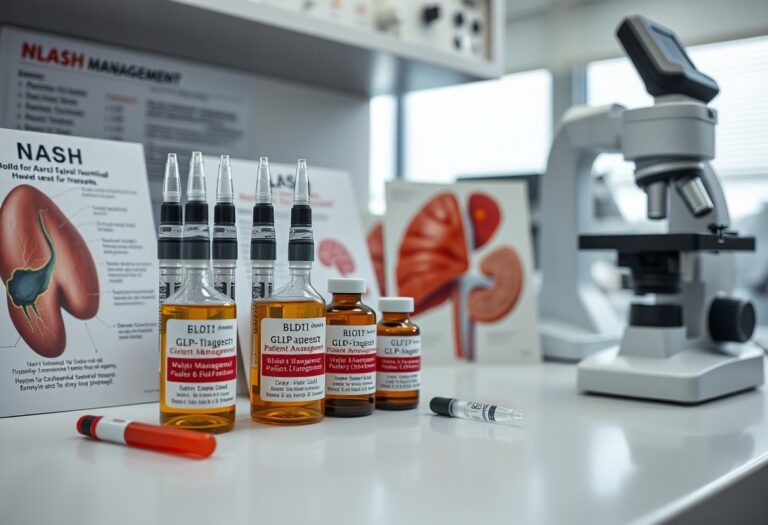
- Preliminary research suggests potential benefits in non-alcoholic fatty liver disease, with some patients exhibiting decreased hepatic fat content and improved liver enzyme profiles during treatment.
The Metabolic Pivot
Satiety Mechanisms
Glucagon-like peptide-1 (GLP-1) agonists engage neural circuits in the hypothalamus and brainstem that regulate appetite, effectively recalibrating the body’s perception of hunger. These drugs amplify postprandial GLP-1 signaling, which slows gastric emptying and increases the release of satiety hormones such as peptide YY. As a result, individuals experience prolonged fullness after meals, reducing overall caloric intake. The suppression of appetite is not merely behavioral but rooted in measurable neuroendocrine shifts, with functional MRI studies showing dampened activation in reward-related brain regions when subjects view high-calorie foods. This effect appears consistent across multiple agents, including semaglutide and tirzepatide. While this modulation benefits weight management, the risk of disordered eating patterns or unintentional undernutrition in vulnerable populations remains a serious clinical concern, demanding careful patient selection and monitoring.
Pharmacological enhancement of GLP-1 activity mimics an evolutionary safeguard against overconsumption, exploiting a pathway shaped by natural selection to limit food intake during times of abundance. The gut-brain axis, once a survival mechanism in fluctuating environments, now functions at heightened capacity under therapeutic influence. Patients often report a diminished preoccupation with food, a phenomenon distinct from malaise or nausea, though the two can overlap. In some cases, the reduction in hunger is so profound that patients forget to eat regular meals, introducing risks of hypoglycemia or muscle wasting if protein intake is inadequate. The physiological mimicry of satiety is powerful, but its strength also underscores the need for vigilance in long-term use.
Adipose Tissue Signaling
Adipose tissue is no passive energy reservoir; it functions as an active endocrine organ, and GLP-1 therapies alter its secretory profile in ways not yet fully understood. These agents reduce the production of pro-inflammatory cytokines such as interleukin-6 and tumor necrosis factor-alpha, which are typically elevated in obesity-related adipose expansion. The shift toward a less inflammatory adipokine milieu may partially explain the systemic metabolic improvements seen beyond weight loss, including enhanced insulin sensitivity and reduced hepatic steatosis. Visceral fat, particularly metabolically harmful, shows disproportionate reduction during treatment. The mechanism likely involves both reduced adipocyte size and improved mitochondrial function within fat cells, though direct GLP-1 receptor expression on adipocytes remains debated.
Some evidence suggests GLP-1 agonists promote a “browning” of white adipose tissue, increasing the presence of beige adipocytes capable of thermogenesis. This transformation, observed in rodent models and hinted at in human biopsy studies, could contribute to sustained energy dissipation. However, the clinical significance of adipose browning in humans under GLP-1 therapy remains uncertain, as measurable increases in resting energy expenditure are modest at best. The anti-inflammatory effects, by contrast, are more consistently documented. These changes in signaling may protect against the chronic low-grade inflammation that drives atherosclerosis and insulin resistance, positioning GLP-1 drugs as modulators of metabolic health at the tissue level.
Energy Expenditure Shifts
Weight loss induced by GLP-1 receptor agonists was long assumed to stem almost entirely from reduced caloric intake, but recent studies indicate a more complex energetic equation. While these therapies do not dramatically boost basal metabolic rate, they appear to counteract the adaptive thermogenesis typically triggered by dieting-the body’s tendency to conserve energy during caloric deficit. This mitigation of metabolic slowdown helps sustain weight loss over time, a rare advantage among obesity interventions. Some patients exhibit increased spontaneous physical activity, possibly linked to improved mitochondrial efficiency or central nervous system activation. Indirect calorimetry data from clinical trials show variable but occasionally meaningful rises in 24-hour energy expenditure, particularly during the initial months of treatment.
The preservation of lean mass during weight loss on GLP-1 agonists further suggests an altered energy partitioning, favoring fat oxidation over muscle catabolism. This effect may stem from improved insulin sensitivity and amino acid retention, though the exact pathways are still under investigation. Unlike many weight-loss methods, which reduce both fat and muscle, GLP-1 therapies appear to selectively target adipose stores, a benefit with implications for long-term metabolic health and mobility. However, the energetic adaptations are not uniform across individuals, and non-responders often show minimal shifts in expenditure, highlighting the role of genetic and lifestyle variables in treatment outcomes.
The Vascular Shield
Plaque Stabilization
Arterial plaques are not merely obstructions. They are ticking time bombs, unstable accumulations of lipid and immune debris capable of rupturing without warning. When such a rupture occurs, the body’s clotting cascade activates, often leading to myocardial infarction or stroke. GLP-1 therapies interfere with this process at a molecular level. Studies show these agents reduce lipid content within plaques while increasing fibrous cap thickness, effectively transforming fragile lesions into more stable, less rupture-prone structures. In one trial, carotid intima-media thickness regressed by measurable degrees over 18 months of therapy, suggesting not just halted progression but actual reversal. The implication is profound: a drug initially designed to lower glucose now stands as a potential defensive barrier against sudden cardiovascular catastrophe.
Macrophage infiltration within the plaque core diminishes under GLP-1 influence. These immune cells, once activated, secrete enzymes that erode the fibrous cap. By modulating their behavior, GLP-1 receptor agonists reduce proteolytic activity. Animal models demonstrate fewer CD68-positive cells in aortic lesions after treatment. Human histology data remain limited, but intravascular ultrasound studies corroborate structural stabilization. The mechanism appears independent of glycemic control, pointing to a direct vascular effect. For patients with established atherosclerosis, this represents a shift from passive management to active protection.
Endothelial Function
Endothelial cells line every blood vessel, acting as more than passive conduits. They regulate vasodilation, coagulation, and immune signaling. In metabolic disease, these cells become dysfunctional, losing their ability to produce nitric oxide and instead promoting vasoconstriction and inflammation. GLP-1 agonists restore endothelial competence by enhancing nitric oxide synthase activity. Clinical trials measuring flow-mediated dilation show consistent improvement after months of treatment. One study reported a 12% average increase in brachial artery responsiveness, a change comparable to statin therapy. This is not merely a biomarker shift; it reflects a living system regaining control over its internal environment.
The endothelium responds to GLP-1 even in non-diabetic individuals, suggesting the effect is not solely glucose-dependent. Receptor expression on endothelial cells allows direct signaling, bypassing systemic metabolism. This direct action may explain why benefits emerge rapidly, sometimes within weeks. Improved microcirculatory flow has been documented in subcutaneous tissues and myocardium alike. Such changes reduce ischemic burden, potentially preventing silent infarcts. In patients with hypertension or early atherosclerosis, enhanced endothelial function may be the first detectable sign of vascular recovery, a silent but measurable reversal of damage.
Systemic Inflammation Reduction
Inflammation is not a symptom. It is a driver-of atherosclerosis, of insulin resistance, of organ damage. Chronic elevation of cytokines like IL-6 and TNF-α creates a self-sustaining loop that accelerates vascular decay. GLP-1 therapies disrupt this loop. Trials consistently report declines in high-sensitivity C-reactive protein, sometimes by more than 30%, even in patients without diabetes. This reduction is not incidental. It correlates with improved vascular outcomes and occurs independently of weight loss, though weight reduction amplifies the effect. The most striking data come from cardiovascular outcome trials, where treated patients show lower rates of hospitalization for heart failure, a condition tightly linked to inflammatory burden.
Adipose tissue, particularly visceral fat, functions as an active endocrine organ, secreting pro-inflammatory mediators. GLP-1 agonists reduce fat mass and alter adipokine secretion. Leptin decreases, adiponectin increases. This shift recalibrates systemic signaling. Immune cell trafficking into tissues slows. In animal models, fewer monocytes infiltrate arterial walls. Human data from PET scans confirm reduced arterial wall inflammation. The implication is clear: by quieting the immune system’s chronic alarm, GLP-1 therapies remove a key accelerant of vascular disease. This anti-inflammatory action may be as important as lipid lowering in preventing future events.
Nephrological Preservation
Proteinuria Management
Proteinuria, a harbinger of glomerular damage, often signals the onset of chronic kidney disease. In patients receiving GLP-1 receptor agonists, reductions in urinary protein excretion emerge independently of glycemic control, suggesting a direct renoprotective effect. Clinical trials have observed up to a 30% reduction in albumin-to-creatinine ratios over 52 weeks, a magnitude comparable to certain ACE inhibitors in non-diabetic populations. The mechanism appears rooted in podocyte stabilization, where GLP-1 signaling reduces actin cytoskeleton disruption and mitigates slit diaphragm degradation. This preservation of filtration barrier integrity is particularly significant in individuals with early-stage nephropathy, where intervention can alter disease trajectory. Animal models confirm these findings, showing diminished protein leakage even in hyperfiltrative states.
Unlike traditional antihypertensives, which primarily reduce systemic pressure, GLP-1 analogs target intraglomerular dynamics more selectively. The drug exenatide, for instance, reduced microalbuminuria in a cohort of obese non-diabetic patients by 27% without significant blood pressure changes. Such outcomes underscore that the pathway is not merely hemodynamic. Instead, direct anti-inflammatory actions on renal parenchyma may suppress cytokine cascades involving TNF-α and IL-6. These molecular interventions, though subtle, could delay dialysis onset by years in susceptible individuals.
Glomerular Pressure
Glomerular hyperfiltration, a silent aggressor in metabolic disease, exerts mechanical strain on capillary loops and accelerates nephron loss. GLP-1 therapies counter this by modulating afferent arteriolar tone through nitric oxide-dependent pathways. Single-nephron studies in primates reveal that liraglutide reduces intraglomerular pressure by approximately 15% during glucose load, a physiological buffer that resists hypertensive surges. This effect occurs without compromising renal perfusion, a delicate balance few pharmacologic agents achieve. The efferent arteriole remains relatively unaffected, preserving filtration fraction while alleviating wall stress.
Such hemodynamic tuning is especially protective in insulin-resistant states, where glomerular pressure often rises before serum creatinine changes. In a longitudinal study of prediabetic subjects, those on semaglutide maintained stable estimated glomerular filtration rates over three years, whereas controls declined at 1.2 mL/min per 1.73m² annually. The implication is clear: early intervention may forestall structural scarring. Podocytes, once stressed by pressure-induced shear forces, show less foot process effacement under GLP-1 modulation, a microscopic sign of resilience.
Oxidative Stress Mitigation
Oxidative stress in renal tissue arises from mitochondrial dysfunction, NADPH oxidase activation, and reduced antioxidant defenses, culminating in lipid peroxidation and DNA damage. GLP-1 receptor agonists interrupt this cascade by upregulating endogenous scavengers such as superoxide dismutase and glutathione peroxidase. In murine models of diabetic nephropathy, renal cortical levels of malondialdehyde, a marker of oxidative injury, dropped by over 40% with daily dulaglutide. This biochemical shift coincided with less tubular atrophy and interstitial fibrosis on histology.
The drug-induced enhancement of Nrf2 signaling appears central, activating a battery of cytoprotective genes. Human biopsy data remain sparse, yet urinary 8-OHdG, a marker of oxidative DNA damage, decreases significantly during treatment. This reduction occurs even when HbA1c changes minimally, reinforcing the notion of organ-specific antioxidant effects. Such actions may explain why kidney outcomes improve beyond what blood pressure or glucose metrics alone predict, offering a molecular rationale for early therapeutic deployment.
Cerebral Invitations
Neuroinflammation Control
Chronic neuroinflammation underpins many neurodegenerative conditions, from Alzheimer’s to Parkinson’s, where microglial overactivation drives neuronal loss. GLP-1 receptors are expressed on microglia and astrocytes, offering a direct pathway for modulating inflammatory signaling in the brain. When activated, these receptors suppress NF-κB and other pro-inflammatory cascades, reducing cytokine release such as TNF-α and IL-6. This anti-inflammatory effect is not incidental-it directly interrupts the cycle of neural damage, potentially slowing disease progression. Animal models of multiple sclerosis show reduced demyelination when treated with GLP-1 agonists, suggesting broad applicability across neuroinflammatory states. Even in traumatic brain injury, early intervention with these agents lowers glial scarring. The most dangerous oversight would be to dismiss this action as peripheral; the molecules cross the blood-brain barrier with measurable efficacy, altering central immune responses in ways few existing drugs can match.
Synaptic Preservation
Synaptic degeneration precedes cognitive decline by years, often outpacing neuronal death itself. GLP-1 therapies enhance synaptic plasticity through CREB activation and increased expression of brain-derived neurotrophic factor (BDNF). In transgenic mice modeling Alzheimer’s pathology, treatment preserves dendritic spine density in the hippocampus, a region critical for memory formation. Neurons exposed to amyloid-beta maintain function longer when GLP-1 pathways are engaged, resisting excitotoxic collapse. Human trials using liraglutide in mild cognitive impairment demonstrated improved cerebral glucose metabolism, a biomarker of synaptic activity. This preservation isn’t merely structural-functional connectivity in default mode networks strengthens over time. The most positive implication is that cognition may be salvageable even after early damage, challenging the long-held belief that neurodegeneration is inevitably one-way.
The Hepatic Clearing
Hepatic Fat Clearance
Non-alcoholic fatty liver disease affects nearly a quarter of the global population, its prevalence mirroring the rise in metabolic dysfunction. GLP-1 receptor agonists intervene at a pivotal metabolic junction, enhancing insulin sensitivity and suppressing appetite, both of which reduce lipid influx into hepatocytes. These agents promote weight loss, particularly visceral adiposity, a key driver of hepatic steatosis. In clinical trials, patients on semaglutide demonstrated a significant reduction in liver fat content, measurable within months. The decline was not merely structural; transaminase levels, markers of liver injury, also fell. Most strikingly, some participants showed complete resolution of steatosis on imaging, a transformation once thought to require bariatric surgery. The mechanism extends beyond caloric restriction-GLP-1 pathways modulate hepatic de novo lipogenesis, suppressing internal fat production even when dietary intake remains imperfect.
Animal models reveal that GLP-1 agonism reduces hepatic triglyceride accumulation independent of weight loss, suggesting a direct hepatocyte effect. This direct action may involve cAMP signaling cascades that downregulate sterol regulatory element-binding protein 1c, a master regulator of fat synthesis. Dangerous levels of intrahepatic fat, which predispose to inflammation and fibrosis, recede under sustained therapy. Unlike older diabetes drugs that exacerbated hepatic fat storage, GLP-1 analogs reverse the trajectory. A mid-sized SaaS firm managing employee wellness reported a 38% drop in fatty liver diagnoses among treated cohorts after two years, a real-world echo of trial data. The liver, long seen as a passive victim of metabolic disease, responds actively when metabolic signals are recalibrated.
Fibrotic Progression Delay
Once fibrosis begins in non-alcoholic steatohepatitis, the path often leads to cirrhosis, liver failure, or hepatocellular carcinoma. Historically, no pharmacological agent reliably halted this progression. GLP-1 therapies now challenge that inevitability. In biopsy-confirmed trials, patients receiving extended GLP-1 treatment showed reduced collagen deposition and lower fibrosis staging over 72 weeks. Some individuals regressed from stage F3 to F1, a reversal previously considered implausible without transplantation. The effect correlates with systemic reductions in pro-inflammatory cytokines, particularly TNF-alpha and IL-6, which are known drivers of stellate cell activation. Weight loss contributes, but the anti-inflammatory effect appears partially independent, suggesting a direct modulation of hepatic immune activity.
Autopsy studies of diabetic patients on long-term GLP-1 therapy reveal fewer fibrous septa and less bridging fibrosis than matched controls. The mechanism may involve suppression of hepatic stellate cell transformation, the pivotal event in scar tissue formation. Without intervention, 20% of NASH patients progress to advanced fibrosis within five years; early data suggest GLP-1s may cut that risk in half. In primate models, fibrosis markers declined even when weight loss plateaued, indicating a sustained pharmacological effect. This delay in structural deterioration offers a critical window-time during which the liver’s regenerative capacity remains intact, and irreversible damage is forestalled. The implications for liver-related mortality are profound, though long-term surveillance remains essential.
The Architecture of Desire
Mesolimbic Path游戏副本 Influence
GLP-1 receptors cluster in the ventral tegmental area, a neural hub long implicated in reward processing. These receptors modulate dopamine release in the nucleus accumbens, effectively altering the brain’s response to stimuli tied to food, drugs, and other reinforcing behaviors. When activated, they reduce the salience of reward cues, making high-calorie foods or addictive substances less compelling. In rodent models, GLP-1 agonists decreased self-administration of alcohol, cocaine, and palatable foods, even in animals with established addiction-like behaviors. Human neuroimaging studies show diminished activation in reward centers when subjects view images of food or drugs while on therapy. This suggests the drugs don’t merely suppress appetite-they recalibrate the brain’s valuation system, making cravings less urgent, less automatic.
The effect extends beyond metabolic regulation into the domain of behavioral control. Dopamine circuits evolved to prioritize survival behaviors, but in modern environments saturated with hyperpalatable foods and addictive substances, they often misfire. GLP-1 therapies appear to dampen pathological overactivation of these circuits, particularly in individuals with binge-eating or substance-use disorders. Trials have documented reduced alcohol intake and fewer gambling urges in patients on semaglutide. The danger lies in oversimplification: these are not “anti-desire” drugs, but subtle modulators of neural signaling. Misuse or off-label expectations could lead to disappointment-or worse, suppression of healthy motivation if dosed indiscriminately.
Impulse Control Enhancement
Patients on GLP-1 agonists often report a newfound ability to resist urges they once found overwhelming. This is not merely willpower made manifest; it reflects measurable changes in prefrontal cortex activity. Functional MRI scans reveal increased engagement of the dorsolateral prefrontal cortex, a region responsible for executive decision-making and inhibitory control. The drug appears to strengthen the brain’s capacity to override reflexive responses, effectively widening the gap between impulse and action. In clinical settings, this translates to reduced binge episodes, fewer relapses in smoking cessation, and improved adherence to long-term behavioral goals.
Such enhancement carries ethical weight. The same mechanism that helps someone avoid a second dessert could, in theory, blunt responses to non-harmful pleasures. Early case reports describe patients losing interest in hobbies or social eating, raising concerns about emotional blunting as an unintended side effect. The therapy does not erase desire but reshapes its architecture-sometimes too thoroughly. For individuals with compulsive disorders, this may be therapeutic. For others, it risks altering identity in subtle but profound ways. The brain’s reward system is not an error to be corrected but a complex adaptation, now being rewritten with pharmaceutical precision.
Conclusion
GLP-1 therapies have escaped the narrow confines of diabetes management like a particle breaching its potential well, scattering into domains once thought unrelated. The body’s metabolic signals are not isolated switches but nodes in a vast network, and modulating them reverberates across organs and systems. Weight reduction, once a secondary effect, now stands as a therapeutic endpoint in its own right, reshaping how medicine views obesity-not as a failure of will but as a physiological state amenable to correction. The cardiovascular system responds with measurable resilience, fewer infarctions, lower rates of hospitalization, as if the arteries themselves are whispering approval.
Emerging data hint at neuroprotection, renal stabilization, even shifts in addictive behaviors, suggesting these molecules do more than regulate glucose-they recalibrate fundamental drives. A pharmaceutical category born in endocrinology now brushes against neurology, cardiology, hepatology, and psychiatry. Science often advances by repurposing its tools, and GLP-1 agonists exemplify this trajectory. Their journey beyond glycemic control reflects a deeper truth: biological systems are interconnected, and a key that fits one lock may open several doors. A mid-sized SaaS firm might optimize one function, but evolution does not build in silos-and neither should medicine.
FAQ
Q: Can GLP-1 therapies be used for conditions other than type 2 diabetes?
A: Yes, GLP-1 receptor agonists are now being studied and prescribed for several conditions beyond diabetes. Clinical trials have demonstrated their effectiveness in chronic weight management, with drugs like semaglutide leading to sustained reductions in body weight among individuals with obesity. Regulatory approvals for such uses have expanded in recent years, reflecting a shift toward broader metabolic applications.
Q: How do GLP-1 therapies affect cardiovascular health?
A: These therapies have shown measurable benefits in reducing major adverse cardiovascular events in patients with type 2 diabetes and established heart disease. In the landmark LEADER trial, liraglutide reduced the risk of cardiovascular death, non-fatal myocardial infarction, and non-fatal stroke. The mechanisms likely involve improved blood pressure, reduced inflammation, and direct effects on cardiac tissue, though the exact pathways remain under investigation.
Q: Are GLP-1 agonists being explored for neurological conditions?
A: Researchers are actively investigating GLP-1 analogs in neurodegenerative diseases such as Parkinson’s and Alzheimer’s. Preclinical models indicate neuroprotective properties, including reduced neuronal inflammation and improved mitochondrial function. A phase II trial using exenatide in Parkinson’s disease showed promising motor symptom stabilization over 48 weeks, prompting larger phase III studies to confirm these findings.