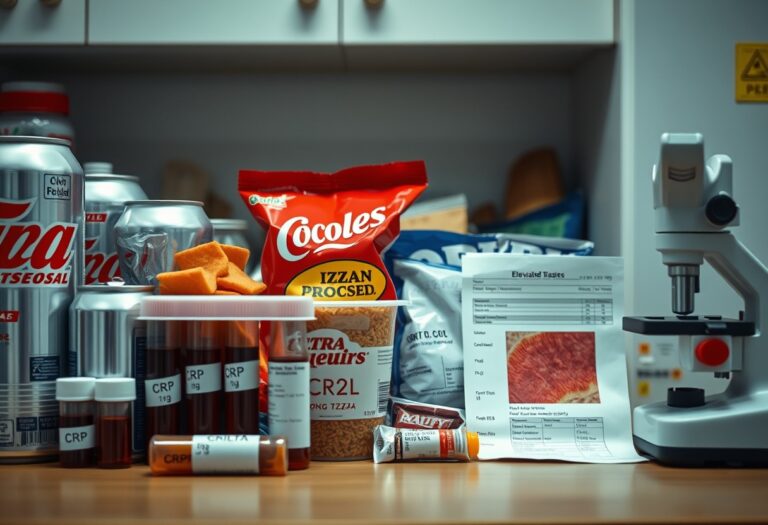



A mid-sized SaaS firm might track server loads, but the human body tracks something far more insidious: the chronic inflammation sparked by ultra-processed foods. These industrial formulations, laced with emulsifiers, preservatives, and hidden sugars, do not merely add calories. They provoke immune responses, disrupt gut integrity, and sustain a silent, systemic fire linked to diseases from diabetes to dementia. The evidence grows, molecule by molecule.
Key Takeaways:
- Ultra-processed foods often contain high levels of refined sugars, industrial fats, and synthetic additives that can trigger low-grade, systemic inflammation, a biological response increasingly linked to conditions like type 2 diabetes, cardiovascular disease, and certain cancers.
- Emulsifiers and artificial sweeteners in these products may disrupt the gut microbiome, weakening intestinal barrier function and allowing bacterial endotoxins such as lipopolysaccharides to enter the bloodstream, a process known as metabolic endotoxemia.
- Populations consuming more than 60% of daily calories from ultra-processed sources show elevated levels of inflammatory markers like C-reactive protein and interleukin-6, independent of body weight, suggesting direct dietary influence on inflammatory pathways.
The Industrial Alchemy of Edible Substances
Modern food production has mastered the art of disassembling whole ingredients and reassembling them into unrecognizable forms. This transformation is not driven by nourishment but by shelf life, texture, and hyper-palatability. Whole grains, seeds, and legumes are stripped of their fibrous integrity, leaving behind concentrated isolates and refined starches that behave more like industrial feedstocks than food. The result is a matrix of substances engineered for rapid digestion and maximal reward signaling in the brain. These molecular rearrangements often yield compounds absent from natural diets, such as oxidized lipids, advanced glycation end-products, and synthetic emulsifiers, each contributing to a biochemical environment alien to human physiology. The process mirrors alchemy not in turning lead to gold, but in converting nutrient-dense sources into profitable, metabolically disruptive simulacra.
What passes as food today often emerges from chemical engineering as much as agriculture. A corn kernel, once a modest source of complex carbohydrates and fiber, becomes the raw material for substances that hijack metabolic pathways. The fractionation of whole corn into maltodextrin and high fructose syrup exemplifies this industrial redefinition of sustenance. In factory vats, corn starch is enzymatically broken down into glucose polymers, then further converted into a syrup laced with fructose at concentrations never encountered in nature. Maltodextrin, a highly digestible carbohydrate chain, spikes blood glucose with alarming speed. This rapid glycemic surge is not incidental-it is engineered. The process strips away fiber, protein, and phytonutrients, leaving behind a calorically dense, nutritionally barren substance optimized for passive overconsumption. The biological cost of this refinement unfolds silently, one meal at a time.
The Proliferation of Synthetic Emulsifiers and Cosmetic Additive Cocktails
Synthetic emulsifiers like polysorbate 80 and carboxymethylcellulose are now ubiquitous in processed foods, enabling textures that mimic fat or prevent separation in low-fat formulations. These compounds are not digested but persist in the gut environment, where they interact with the intestinal lining in ways evolution did not anticipate. They compromise the integrity of the mucus layer, allowing microbes to encroach upon epithelial cells. In laboratory models, even low concentrations of these additives trigger low-grade inflammation and alter microbial composition. The food matrix becomes a delivery system for non-nutritive substances that subtly disrupt host physiology, not through acute toxicity but through chronic interference with biological boundaries.
Cosmetic additives-artificial colors, flavors, and preservatives-form complex cocktails designed to enhance sensory appeal. A single packaged snack may contain over a dozen synthetic compounds, each approved in isolation but never tested in combination. Yellow 5, Red 40, and butylated hydroxyanisole (BHA) are routinely added to prolong shelf life or intensify appearance, despite evidence of immunomodulatory effects. These substances are not inert. Some mimic hormones, others provoke oxidative stress, and a few have been linked to behavioral changes in sensitive individuals. The cumulative effect is a dietary landscape saturated with chemical signals that human biology struggles to interpret, much less neutralize. The result is not poisoning in the classical sense, but a slow erosion of metabolic clarity.
The Transformation of Seed Oils into Pro-inflammatory Fats
Seed oils-derived from soybeans, corn, and canola-are chemically extracted using hexane and subjected to high heat, deodorization, and bleaching. This industrial refining strips away natural antioxidants and rearranges fatty acid structures, yielding oils rich in omega-6 linoleic acid and prone to oxidation. The resulting fats are fundamentally different from the whole-food lipids humans consumed for millennia. When incorporated into cell membranes, these altered fats disrupt signaling pathways and increase susceptibility to oxidative damage. The deodorization process itself generates trans-fat isomers, even in products labeled “trans-fat free.”
These refined oils now permeate nearly every processed item, from salad dressings to packaged breads to fried snacks. Omega-6 fatty acids, while essential in small amounts, dominate the modern lipid profile at ratios up to 20:1 compared to omega-3s-far beyond the 4:1 threshold associated with inflammatory imbalance. The body’s inflammatory response, calibrated for acute threats, becomes chronically activated in the presence of these oxidized, unnatural fats. The transformation of seeds into liquid oil is not merely a technological feat-it is a metabolic experiment conducted at population scale, with consequences written in rising rates of autoimmune and cardiovascular conditions.
The Silent Fire Within the Gut
The Erosion of the Mucosal Barrier and the Rise of Endotoxemia
Ultra-processed foods often contain emulsifiers such as polysorbate 80 and carboxymethylcellulose, substances engineered to prolong shelf life and improve texture. These compounds, while deemed safe by regulatory bodies, have been shown in controlled studies to disrupt the integrity of the intestinal mucosal lining. The tight junctions between epithelial cells loosen, allowing bacterial endotoxins-particularly lipopolysaccharides from Gram-negative bacteria-to translocate into the bloodstream. This condition, known as metabolic endotoxemia, initiates a low-grade but persistent immune activation. The liver responds by releasing acute-phase proteins, and circulating cytokines such as interleukin-6 and tumor necrosis factor-alpha rise. This systemic inflammation is not a transient reaction but a sustained state, silently propagating damage across tissues. Animal models fed emulsifier-laced diets develop glucose intolerance and hepatic steatosis within weeks, even without excess caloric intake.
The Depletion of Commensal Bacteria in the Western Microbiome
The Western diet, dominated by refined carbohydrates and synthetic additives, starves beneficial gut microbes of the complex fibers they require. Species like Akkermansia muciniphila and Faecalibacterium prausnitzii, which produce anti-inflammatory short-chain fatty acids such as butyrate, decline sharply under such conditions. Without these metabolites, colonocytes receive less energy, weakening the gut lining further. The microbial diversity in individuals consuming ultra-processed diets can fall by as much as 40 percent compared to those on whole-food regimens. This erosion of microbial complexity parallels the rise in immune dysregulation. Fermentable fibers-absent in most packaged snacks-act as prebiotics, and their omission reshapes the gut ecosystem into one favoring pro-inflammatory taxa. A mid-sized SaaS firm’s employee cohort on a typical processed diet exhibited lower fecal butyrate and higher calprotectin, a marker of intestinal inflammation.
The Impact of Non-nutritive Sweeteners on Gut Signaling
Artificial sweeteners like sucralose, aspartame, and saccharin do not contribute calories, but they are not inert in the gut. These compounds interact with sweet taste receptors on enteroendocrine cells, disrupting the normal hormonal cascade that regulates insulin and satiety. In human trials, non-nutritive sweeteners have been linked to glucose intolerance, not through direct metabolism but via microbial shifts. Some sweeteners induce rapid overgrowth of opportunistic pathogens while suppressing beneficial lactobacilli. The gut-brain axis, which relies on precise signaling through peptides like GLP-1, becomes desensitized when artificial sweetness is repeatedly detected without caloric follow-through. This mismatch confuses metabolic regulation, potentially accelerating insulin resistance. Even at approved doses, chronic exposure alters microbial gene expression related to carbohydrate metabolism, suggesting long-term functional consequences beyond mere composition.
The Pathogenesis of Modern Ailments
Insulin Resistance and the Pathological Expansion of Adipose Tissue
Chronic inflammation acts as a molecular saboteur in metabolic regulation, directly interfering with insulin signaling pathways. When immune cells infiltrate adipose tissue due to persistent inflammatory stimuli from ultra-processed foods, they secrete cytokines like TNF-alpha and IL-6 that disrupt insulin receptor function. This interference leads to insulin resistance, a condition where cells fail to respond to insulin’s command to absorb glucose. The pancreas compensates by producing more insulin, creating a state of hyperinsulinemia that further promotes fat storage. As adipose tissue expands beyond its physiological limits, it becomes hypoxic and fibrotic, triggering additional immune activation. A mid-sized SaaS firm may scale efficiently, but the human body does not adapt well to such pathological growth. Fat cells in obese individuals can swell to several times their normal size, becoming factories of inflammation rather than passive energy reservoirs.
Cardiovascular Decay and the Chronic Stress of Arterial Plaque
Arterial walls are not inert pipes but dynamic interfaces sensitive to biochemical distress signals. Ultra-processed diets rich in refined sugars and industrial fats sustain a low-grade inflammatory state that damages the endothelium, the delicate lining of blood vessels. Once compromised, this layer permits LDL cholesterol to penetrate into the arterial intima, where it becomes oxidized and triggers an immune response. Macrophages swarm to engulf the debris, transforming into foam cells that accumulate and form fatty streaks-the earliest stage of atherosclerosis. These lesions provoke continuous immune activity, preventing resolution and leading to plaque instability. Over time, calcification and fibrous cap formation create rigid, narrowed arteries prone to rupture. The presence of chronic arterial inflammation significantly increases the risk of myocardial infarction, even in individuals with moderate cholesterol levels, because unstable plaques-not just blockage-are often the culprits behind sudden cardiac events.
The Evolutionary Mismatch of the Modern Diet
Bioavailability and the Metabolic Perils of Rapid Glucose Spikes
Human metabolism evolved under conditions where carbohydrates were fibrous, complex, and released glucose slowly into the bloodstream. The industrial refinement of grains and sugars has dismantled this natural pacing mechanism, delivering concentrated glucose with alarming speed. A slice of white bread, for instance, triggers a sharper insulin response than a tablespoon of pure sugar, due to its rapid enzymatic breakdown in the gut. This abrupt surge forces the pancreas into repeated overproduction of insulin, straining metabolic regulation over time. Chronic exposure to such spikes promotes insulin resistance, a foundational defect in type 2 diabetes and a key driver of systemic inflammation. Even individuals maintaining normal weight can suffer these internal disruptions, as visceral fat accumulates silently in response to hormonal chaos. The body’s ancient machinery, calibrated for scarcity and slow fuel release, now grapples with an artificial abundance it cannot interpret safely.
Fiber Depletion and the Industrial Silencing of Satiety Signals
Whole plant foods once provided not only energy but a matrix of indigestible fibers that shaped digestion, appetite, and microbial balance. Modern processing strips away bran, pulp, and cell walls, leaving behind hollow calories devoid of structural integrity. Without fiber, food empties quickly from the stomach, bypassing the duodenum’s nutrient-sensing mechanisms that signal fullness. This absence disables critical hormonal feedback loops involving GLP-1 and PYY, hormones that naturally curb hunger and slow gastric transit. As a result, the brain receives no reliable signal to stop eating, fostering passive overconsumption. A population raised on fiber-poor diets lives in a state of chronic undernourishment at the cellular level, despite caloric excess. The gut microbiome, starved of fermentable substrates, collapses in diversity, further eroding metabolic and immune homeostasis. Industrial food doesn’t just feed the body-it disarms its oldest safeguards.
Neurological Consequences of High-Processing
Neuroinflammation and the Rising Specter of Cognitive Decline
Microscopic glial cells in the brain, once thought to be mere support staff, now appear as central actors in a quiet catastrophe. When exposed to emulsifiers like polysorbate 80 and carboxymethylcellulose, these cells shift into a pro-inflammatory state, breaching the blood-brain barrier with alarming efficiency. Animal studies show that chronic ingestion of such additives correlates with elevated levels of interleukin-6 and tumor necrosis factor-alpha in neural tissue, markers long associated with neurodegenerative pathways. The hippocampus, essential for memory consolidation, shrinks under this sustained assault, impairing spatial navigation and learning in rodent models. Human epidemiological data align with these findings, revealing a steeper cognitive decline among individuals whose diets exceed 60 percent ultra-processed content. Artificial colors and preservatives, particularly sodium benzoate, amplify oxidative stress in neurons, accelerating tau protein aggregation-a hallmark of Alzheimer’s pathology.
Even in younger populations, subtle deficits emerge. Functional MRI scans of adolescents consuming high levels of processed snacks reveal reduced connectivity in the prefrontal cortex, the region governing impulse control and long-term planning. These changes occur independently of socioeconomic status or physical activity, suggesting a direct metabolic insult. The brain, evolutionarily tuned to nutrient-dense whole foods, struggles to interpret the chemical noise of synthetic ingredients. Chronic neuroinflammation disrupts synaptic pruning, a process vital for cognitive refinement during adolescence. Over time, the brain’s resilience erodes, not through dramatic injury but through the cumulative weight of dietary indifference.
Dopaminergic Rewards and the Cycle of Industrial Cravings
The human brain did not evolve to encounter hyper-palatable foods engineered with precise ratios of sugar, fat, and salt. These combinations hijack the mesolimbic pathway, flooding the nucleus accumbens with dopamine far beyond what natural foods provoke. High-fructose corn syrup, a staple in processed snacks, triggers dopamine release comparable to nicotine, creating a feedback loop that prioritizes immediate reward over satiety. Unlike whole foods, which activate satiety signals through fiber and protein, ultra-processed items bypass these regulatory mechanisms, leaving the hypothalamus starved for real nourishment. The result is a paradox: overfed yet malnourished neurons, perpetually craving more.
Artificial flavors and texturizers further deepen the dependency. Diacetyl, used to simulate buttery notes, crosses the blood-brain barrier and damages olfactory neurons in animal models, potentially distorting flavor perception and driving increased consumption. Repeated exposure dulls dopamine receptor sensitivity, requiring greater quantities of processed food to achieve the same neurological hit. This desensitization mirrors patterns seen in substance dependence, suggesting that industrial food design exploits ancient reward systems with precision. The brain adapts not by thriving, but by surviving-anchored in a cycle where pleasure becomes indistinguishable from compulsion.
Reclaiming the Kitchen Table
Prioritizing Whole Plant Foods and Intact Grains
The human digestive system evolved to process fibrous plant matter, not synthetic emulsifiers or maltodextrin. When individuals replace packaged snacks with whole fruits, legumes, and intact grains like farro or teff, they deliver complex carbohydrates that ferment slowly in the colon, producing short-chain fatty acids such as butyrate. These compounds directly inhibit NF-kB, a key signaling pathway driving systemic inflammation. A mid-sized SaaS firm’s employee wellness study observed reduced C-reactive protein levels in participants who substituted refined breads with sourdough rye and quinoa. Unlike processed cereals stripped of bran and germ, intact grains retain polyphenols and fiber matrices that resist rapid glucose spikes. Such metabolic stability prevents the oxidative bursts that trigger endothelial stress. Populations consuming traditional diets rich in unrefined plant matter-like Okinawan sweet potato cultivators or rural Tsimané foragers-exhibit nearly absent rates of autoimmune flare-ups, suggesting dietary structure shapes immune tolerance.
The Essential Role of Fermentation in Gut Restoration
Fermented foods introduce live microorganisms that compete with pro-inflammatory pathobionts such as *Enterobacteriaceae*. Sauerkraut, kefir, and traditionally brewed soy products contain strains like *Lactobacillus plantarum* and *Bifidobacterium longum*, which fortify tight junctions between intestinal epithelial cells. This microbial reinforcement reduces endotoxin translocation, a primary instigator of chronic low-grade inflammation. In one controlled trial, volunteers consuming six servings of fermented vegetables weekly showed a 30% increase in microbiome diversity within eight weeks. Pasteurized imitations lack this effect, as heat destroys active cultures. The transformation of cabbage into kimchi or milk into yogurt is not mere preservation-it is an act of biological reprogramming. These foods do not just feed the host; they reshape the gut environment, suppressing *Firmicutes*-to-*Bacteroidetes* ratios linked to metabolic endotoxemia. An elderly cohort in Kyoto maintaining daily miso soup intake demonstrated lower interleukin-6 concentrations than age-matched controls avoiding fermented staples.
To wrap up
Ultra-processed foods have insinuated themselves into the daily lives of billions, their convenience masking a more insidious reality. These formulations, engineered for hyper-palatability, deliver a payload of refined sugars, trans fats, and chemical additives that the human body struggles to process. The result is a low-grade but persistent state of inflammation, a biological fire smoldering beneath the surface. This inflammation does not announce itself with dramatic symptoms but instead undermines tissues over decades, contributing to the slow erosion of metabolic, cardiovascular, and immune function. A diet dominated by industrial formulations diverges sharply from the whole foods that shaped human evolution, creating a mismatch our physiology cannot easily resolve.
Some populations consuming traditional diets rich in whole grains, vegetables, and unprocessed animal products exhibit markedly lower rates of chronic disease, suggesting a path forward. The solution does not require technological miracles but a return to simpler culinary principles-cooking at home, reading labels, and questioning the origin of what lands on the plate. A mid-sized SaaS firm may streamline data, but no algorithm can outwit the biological consequences of a breakfast cereal laced with emulsifiers and high-fructose corn syrup. The body responds not to marketing claims but to molecular signals, and those signals, when distorted by processing, carry long-term costs.
FAQ
Q: What exactly qualifies as an ultra-processed food?
A: Ultra-processed foods are industrial formulations made from substances extracted from foods-such as fats, starches, and sugars-combined with additives like artificial flavors, colors, emulsifiers, and preservatives. These products often bear little resemblance to whole ingredients. Examples include packaged snacks, sugary breakfast cereals, instant noodles, soft drinks, and reconstituted meat products like chicken nuggets or hot dogs. The NOVA classification system defines them as foods manufactured through multiple industrial processes and typically high in added sugar, salt, and unhealthy fats while low in fiber, protein, and micronutrients.
Q: How do ultra-processed foods contribute to chronic inflammation?
A: These foods disrupt gut integrity and alter the gut microbiome, triggering immune responses that sustain low-grade systemic inflammation. High levels of refined sugars and industrial seed oils-common in ultra-processed items-promote the production of pro-inflammatory cytokines. Emulsifiers like polysorbate 80 and carboxymethylcellulose, added to improve texture and shelf life, have been shown in controlled studies to damage the mucus lining of the intestine, allowing bacteria to interact with immune cells beneath the epithelial layer. This persistent immune activation is a driver of conditions like insulin resistance, non-alcoholic fatty liver disease, and atherosclerosis.
Q: Can switching to whole foods reduce inflammation even if damage has already occurred?
A: Yes. Clinical observations and dietary intervention trials indicate that replacing ultra-processed items with whole, minimally processed foods can lower inflammatory markers such as C-reactive protein and interleukin-6 within weeks. A study following participants who shifted from a processed diet to one centered on vegetables, legumes, whole grains, and unprocessed meats found measurable improvements in endothelial function and joint pain. One participant with early-stage metabolic syndrome saw fasting insulin levels drop by half after three months of home-cooked meals. The human body retains a remarkable capacity to recalibrate when constant dietary insults are removed.