


Over the years, I have learned that Vitamin D plays a vital role in regulating calcium levels in the body, significantly affecting your parathyroid glands. These small glands, located in your neck, manage calcium balance and secrete parathyroid hormone (PTH) when calcium levels drop. When Vitamin D levels are sufficient, it helps enhance calcium absorption from your diet, lowering PTH secretion and preventing potential health issues such as bone disorders. In this post, I will explore how maintaining optimal Vitamin D levels can positively impact your parathyroid function and overall health.
The Molecular Dance: Vitamin D and Parathyroid Hormone Interaction
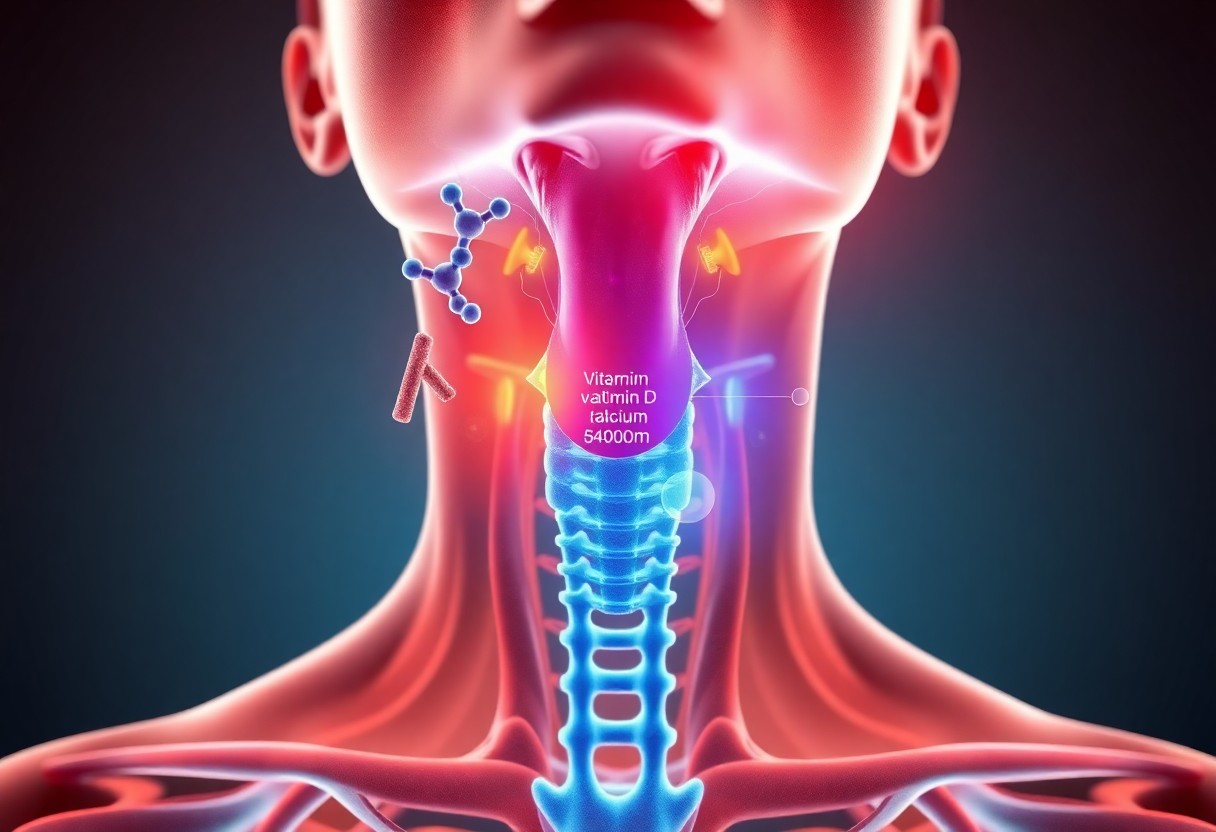
The interaction between vitamin D and parathyroid hormone (PTH) is a finely-tuned process that regulates calcium homeostasis in the body. When calcium levels dip, PTH is secreted from the parathyroid glands, signaling the kidneys, bones, and intestines to restore balance. Vitamin D facilitates this process by enhancing the absorption of calcium in the intestines and aiding in the reabsorption of calcium in the kidneys. This dynamic duo ensures that vital mineral levels remain optimal, preventing conditions such as osteoporosis and rickets.
How Vitamin D Modulates Hormone Secretion
Vitamin D plays a pivotal role in modulating PTH secretion. When vitamin D levels are sufficient, you’ll find that PTH production decreases, effectively maintaining harmony in calcium levels. This mechanism arises because adequate vitamin D promotes calcium absorption from dietary sources, resulting in less reliance on PTH to mobilize calcium from bone stores. Over time, this synergy helps prevent the detrimental effects of high PTH, such as bone loss and increased fracture risk.
The Role of Calcium and Phosphate in the Process
Calcium and phosphate are indispensable partners in the interplay between vitamin D and parathyroid glands. Both minerals contribute significantly to bone health; calcium is necessary for bone density, while phosphate supports bone structure. Adequate levels of these minerals directly influence the secretion of PTH. When I ensure that calcium and phosphate levels are balanced, you help maintain the delicate relationship with vitamin D to ensure efficient hormonal interaction and overall bone health.
When the body senses low calcium levels, PTH is released to increase calcium availability. Interestingly, phosphate also plays a role in this feedback mechanism. For instance, if phosphate levels are low, the body may limit PTH secretion to help preserve calcium levels, even if vitamin D is abundant. Conversely, if phosphate is too high, PTH is secreted to draw calcium from bones, undermining their integrity. Therefore, maintaining sufficient levels of both calcium and phosphate is vital; not only does this support your bone structure, but it also fosters a balanced interaction between vitamin D and PTH, ensuring sustained health over time.
The Impact on Bone Health: A Nutritional Perspective
Bone health is significantly influenced by the nutrients you consume, particularly vitamin D and calcium. Adequate intake of vitamin D is imperative for the body to absorb calcium, which not only supports the formation of bones but also maintains their density and strength. A well-rounded diet rich in these nutrients can lead to healthier bones, reducing the risk of fractures and osteoporosis as you age.
Vitamin D Deficiency and Its Effects on Bone Density
Vitamin D deficiency can lead to serious consequences for bone density. Without sufficient vitamin D, your body struggles to absorb calcium, resulting in weakened bones. Studies show that individuals with low levels of vitamin D are at a higher risk for conditions such as osteoporosis, characterized by reduced bone mass and increased fracture risk. Supplementing with vitamin D, especially in older adults, has been shown to help maintain or improve bone density.
Understanding the Parathyroid’s Response to Low Calcium Levels
When calcium levels drop, the parathyroid glands release parathyroid hormone (PTH) to restore balance. This hormone acts quickly, mobilizing calcium from the bones, increasing intestinal absorption of calcium, and reducing its loss through the kidneys. This response underscores the interconnectedness of calcium, vitamin D, and parathyroid function, showcasing how a deficiency in one can lead to systemic imbalances affecting bone health.
The parathyroid glands are remarkably responsive to fluctuating calcium levels, ensuring that critical bodily functions remain stable. When I assessed my own dietary habits, I noticed that insufficient calcium intake triggered my parathyroid glands to overact, raising PTH levels. This, in turn, prompted increased bone resorption, leading to decreased bone density over time. It highlights the delicate balance between vitamin D, calcium, and parathyroid regulation—underscoring the importance of ensuring adequate nutritional intake to support healthy bones and prevent long-term complications.
Beyond Bone: Uncovering Wider Health Implications
The implications of vitamin D and parathyroid interactions extend well beyond bone health. Research suggests that adequate levels of vitamin D can play a role in mood regulation, immune system functionality, and even the risk of chronic diseases. For instance, a deficiency in vitamin D has been linked to higher levels of inflammation and an increased risk of autoimmune conditions, demonstrating that parathyroid functions intertwine with various aspects of your overall well-being.
Linkages to Cardiovascular Health and Metabolic Syndrome
Studies have increasingly observed connections between vitamin D levels, parathyroid hormone regulation, and cardiovascular health. Low vitamin D status can lead to an elevation in PTH, which is associated with an increased risk of developing metabolic syndrome, characterized by high blood pressure, insulin resistance, and dyslipidemia. These factors all contribute to cardiovascular complications, highlighting the need for maintaining optimal vitamin D levels to support heart health.
The Parathyroid’s Role in Overall Hormonal Balance
The parathyroid glands play a vital role in the body’s hormonal equilibrium, particularly in relation to calcium regulation and metabolic processes. They secrete parathyroid hormone (PTH) in response to low blood calcium levels, which signals the bones, kidneys, and intestines to increase calcium absorption and release. This hormone works closely with vitamin D, which enhances calcium absorption from the gut, underscoring a complex relationship where balanced parathyroid function is integral to not just skeletal health but also metabolic homeostasis.
Imbalances in PTH can lead to significant hormonal disruptions. For example, excessive PTH secretion, often due to low vitamin D levels, can result in hypercalcemia, ultimately affecting muscle contractions, nerve function, and even mental health. Furthermore, here’s where the ripple effect is significant: fluctuations in calcium and vitamin D levels can influence insulin sensitivity and energy metabolism, potentially leading to conditions like obesity or diabetes. Maintaining adequate vitamin D levels is vital not only for strong bones but for the proper functioning of the parathyroid glands, thereby ensuring that your body remains hormonally balanced.
Practical Insights: Optimizing Vitamin D for Parathyroid Health
Optimizing your Vitamin D levels can significantly enhance parathyroid health. Incorporating adequate sunlight exposure, reputable dietary sources, and judicious supplementation helps maintain balanced calcium levels, thus supporting parathyroid function. Aim for maintaining serum Vitamin D levels around 30 to 50 ng/mL, as this range appears to optimize parathyroid hormone responses and reduce the risk of parathyroid-related disorders.
Dietary Sources and Supplementation Strategies
To increase Vitamin D intake, rich dietary sources such as fatty fish, egg yolks, and fortified foods should be prioritized. If dietary adjustments aren’t sufficient, consider supplementation, particularly if you have limited sun exposure or higher needs. A daily intake between 800 to 2000 IU can often help maintain optimal levels, but personal needs may vary.
Monitoring Levels: Tests and Recommendations
Monitoring your Vitamin D levels via blood tests can provide insights into your body’s needs. When aiming for optimal parathyroid function, I recommend getting your serum 25-hydroxyvitamin D level checked annually or biannually, especially if you have any risk factors or symptoms of deficiency.
Understanding your Vitamin D levels is necessary for parathyroid health management. A blood test measuring 25-hydroxyvitamin D helps assess your Vitamin D status, providing a foundation for personalized supplementation and dietary adjustments. For most adults, aiming for levels between 30 ng/mL and 50 ng/mL is recommended. If you consistently test below this range, a healthcare provider might advise higher doses or a more aggressive dietary strategy to support your parathyroid glands effectively. Always consult your doctor to tailor the approach that best fits your individual health profile.
Controversies and Current Research Frontiers
The relationship between vitamin D and parathyroid glands continues to spark debates among researchers and healthcare professionals. Some studies suggest that optimal vitamin D levels can prevent hyperparathyroidism, while others indicate insufficient data on the definitive role vitamin D plays in parathyroid function. Current research is increasingly examining how vitamin D metabolism affects calcium balance and hormone secretion, which could alter our understanding of treatment protocols and patient care.
Debates Over Optimal Vitamin D Dosing
A heated discussion persists regarding what constitutes the optimal dosing of vitamin D for effective parathyroid function. While some experts advocate for higher doses to ensure adequate serum levels, others express caution over potential toxicity associated with excessive vitamin D. The disagreement emphasizes the need for individualized approaches based on specific patient needs, geographic location, and lifestyle factors.
Emerging Studies: New Perspectives on Parathyroid Function
Recent studies are unveiling intriguing links between vitamin D status and parathyroid gland activity. Some researchers are investigating the genetic factors that influence how individuals metabolize vitamin D and respond to supplementation. These emerging findings may help refine guidelines, allowing for more tailored vitamin D interventions that consider genetic makeup and individual health profiles, ultimately promoting better parathyroid health.
For instance, data from a 2022 study highlighted that individuals with certain polymorphisms in the vitamin D receptor gene exhibited altered parathyroid hormone (PTH) levels in response to vitamin D supplementation. This significant discovery hints that genetic variability may play a role in one’s overall response to vitamin D, suggesting that personalized treatment may be necessary. Further, ongoing research is exploring the intersections of vitamin D deficiency, chronic diseases, and their cumulative impact on parathyroid function, potentially reshaping how we think about these vital glands in conjunction with vitamin D. Such advancements could lead to better preventive measures and interventions for those at risk of parathyroid-related disorders.
Summing up
Taking this into account, I find it imperative to understand that Vitamin D plays a pivotal role in regulating calcium levels, directly impacting the parathyroid glands. When your Vitamin D levels are sufficient, these glands maintain calcium homeostasis effectively. Conversely, a deficiency can lead to increased parathyroid hormone secretion, resulting in calcium imbalances. By ensuring adequate Vitamin D intake, you support your parathyroid function and overall metabolic health. It would be wise for you to monitor your Vitamin D levels to promote optimal parathyroid gland activity and maintain your body’s calcium balance.
Q: What role does Vitamin D play in regulating calcium levels in the body?
A: Vitamin D plays an important role in maintaining calcium homeostasis. It promotes the absorption of calcium from the intestine and enhances the reabsorption of calcium in the kidneys. When calcium levels in the blood decrease, Vitamin D helps to signal the parathyroid glands to release parathyroid hormone (PTH). This hormone then acts to increase calcium levels by stimulating bone resorption, further enhancing intestinal absorption of calcium, and reducing renal loss of calcium.
Q: How does the parathyroid hormone (PTH) affect Vitamin D metabolism?
A: Parathyroid hormone (PTH) has a significant influence on Vitamin D metabolism. When PTH is released in response to low calcium levels, it promotes the conversion of Vitamin D into its active form, calcitriol, in the kidneys. This active form of Vitamin D then works synergistically with PTH to increase calcium levels in the blood by maximizing intestinal absorption and mobilizing calcium from bones.
Q: What happens to the parathyroid glands when Vitamin D levels are insufficient?
A: When Vitamin D levels are insufficient, the body is unable to effectively absorb calcium from the diet, leading to decreased serum calcium levels. In response, the parathyroid glands increase the secretion of PTH in an attempt to maintain calcium homeostasis. This can lead to hyperplasia of the parathyroid glands over time, as the glands work harder to raise calcium levels by stimulating bone resorption and increasing renal calcium reabsorption, potentially causing a range of metabolic imbalances.