


Vitamin D receptors, or VDRs, play a key role in how your body utilizes vitamin D, which is vital for your overall health. I want to emphasize that these receptors are found in various tissues, including the intestines, kidneys, and immune cells, influencing processes like calcium absorption and immune function. Understanding where VDRs are located can help you appreciate the importance of adequate vitamin D levels in your diet. By deepening your knowledge of VDRs, you can make better choices for your health and wellbeing.
The Anatomy of Vitamin D Receptors: Structure and Function
Understanding the anatomy of vitamin D receptors (VDRs) helps me appreciate their significance in various physiological processes. VDRs are part of the nuclear receptor superfamily and typically possess a DNA-binding domain and a ligand-binding domain. Upon activation by vitamin D, these receptors undergo conformational changes, enabling them to interact with specific DNA sequences, thereby modulating the expression of target genes involved in calcium homeostasis, immune function, and cell proliferation.
The Molecular Composition of VDRs
The molecular composition of VDRs includes proteins that are crucial for their function. Each VDR consists of approximately 427 amino acids, featuring three primary domains: the amino-terminal domain, the DNA-binding domain, and the ligand-binding domain. These domains not only facilitate the receptor’s binding to vitamin D, but also allow interaction with co-regulatory proteins, which are necessary for the transcription of vitamin D-responsive genes.
Mechanism of Action: How VDRs Influence Cellular Processes
VDR activation initiates a cascade of cellular events that directly impact your body’s physiology. When vitamin D binds to VDRs, these receptors form a complex, translocating to the nucleus where they engage with specific genomic sites, influencing the transcription of various genes. This process aids in regulating calcium and phosphorus metabolism, enhances cell differentiation, and plays a role in immune response modulation, highlighting the importance of VDRs in maintaining overall health.
When VDRs bind with vitamin D, they initiate a complex interaction with the genome that influences diverse cellular processes. For example, in bone cells, VDR activation promotes the expression of genes involved in calcium absorption and mineralization, crucial for bone health. In immune cells, VDRs modulate the synthesis of antimicrobial peptides and immune signaling molecules, enhancing your body’s defense mechanisms. In fact, low VDR activity has been linked to conditions such as autoimmune diseases and osteoporosis, underscoring the pivotal role these receptors play in regulating bodily functions and maintaining homeostasis.
Locations of Vitamin D Receptors: A Survey of the Body
Vitamin D receptors (VDRs) are widely distributed throughout the body, found in tissues like the kidneys, liver, intestines, and even the brain. This broad presence underscores the vitamin’s multifaceted role in health. Skin cells use VDRs to influence calcium balance, while cells in the prostate and breast may regulate cell growth. This ubiquity hints at the important functions VDRs serve in numerous biological processes, from metabolism to immunity.
VDRs in the Immune System: Role and Implications
In the immune system, VDRs play a vital role in modulating immune responses. These receptors enhance the pathogen-fighting capabilities of T cells and macrophages, allowing your body to respond adequately to infections. Additionally, the interaction between VDRs and immune cells may help reduce inflammation, providing therapeutic implications for autoimmune conditions and chronic inflammatory diseases.
VDRs in Bone Health: Connection to Osteoporosis
Vitamin D receptors are integral to maintaining bone health, particularly in the regulation of calcium and phosphate homeostasis. A deficiency in vitamin D can impair VDR function, leading to decreased calcium absorption and an increased risk of developing osteoporosis. The relationship between VDRs and osteoporosis is evident in studies where lower VDR activity correlates with higher bone resorption rates, ultimately compromising bone density and increasing vulnerability to fractures.
Research has shown that individuals with specific gene variations affecting VDR expression may be at higher risk for osteoporosis. These genetic factors can influence how well your body metabolizes vitamin D, revealing a link between VDR functionality and bone integrity. Moreover, supplementation studies have indicated that maintaining adequate vitamin D levels through food or sunlight exposure can help optimize VDR activity, offering a protective effect against bone loss. Ensuring you’re getting enough vitamin D not only supports your overall health but is particularly important for preventing fractures and maintaining strong bones as you age.
The Role of VDRs in Gene Regulation
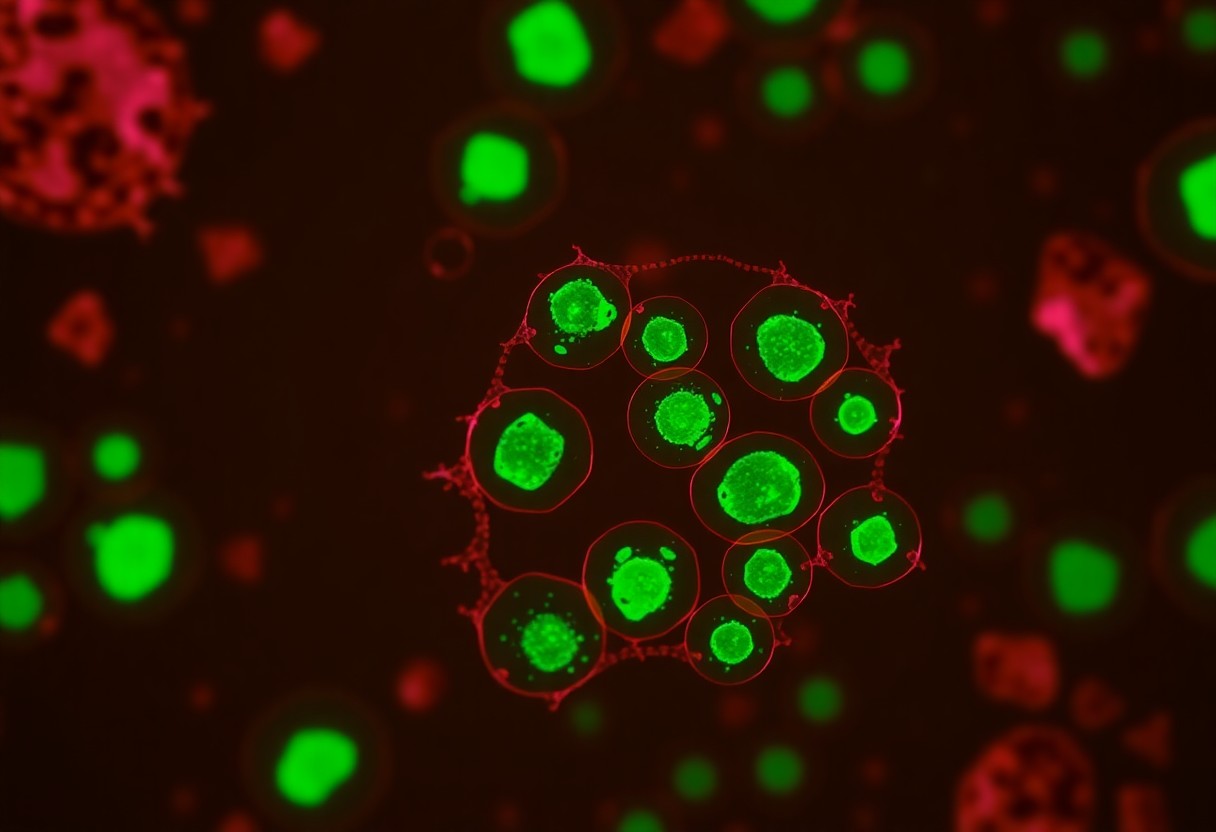
VDRs play a fundamental role in regulating gene expression, acting as transcription factors that bind to specific DNA sequences. Upon activation by vitamin D, these receptors induce or suppress the expression of several genes involved in calcium metabolism, immune response, and cell differentiation. The genomic reach of VDRs extends across various tissues, illustrating their versatility and importance in maintaining physiological balance. Consequently, the activity of VDRs significantly influences processes from bone health to immune function.
Modulating Gene Expression: The Direct Impact of VDR Activation
Activation of VDRs leads to direct modulation of gene expression through binding to vitamin D response elements (VDREs) in the promoters of target genes. This interaction not only enhances the transcription of genes involved in calcium absorption, such as those encoding for proteins like calbindin and calcium ATPase, but can also repress genes that promote inflammation, thereby supporting overall metabolic health. Such direct actions underscore the vital role of VDRs in maintaining homeostasis.
Indirect Effects: VDRs and Epigenetic Changes
Beyond direct gene regulation, VDRs also influence gene expression through epigenetic mechanisms. This interaction can modify the chromatin structure, leading to either gene activation or transcriptional repression. VDRs have been linked to alterations in DNA methylation and histone modification patterns, which further affect the transcriptional landscape in various cell types. Such epigenetic changes can have lasting effects on cell function and may contribute to health and disease outcomes.
Engaging in a dance with diverse epigenetic modifiers, VDRs can initiate pathways that lead to the recruitment of co-activators or co-repressors, shifting the equilibrium of gene expression. For instance, studies have shown that vitamin D can modify the methylation status of key genes linked to inflammatory responses, effectively dampening chronic inflammation. This interplay between VDR activation and epigenetic regulation presents a sophisticated layer of control, highlighting how vitamin D influences not only immediate gene activity but also long-term cellular behavior and response to environmental factors.
The Implications of VDR Dysregulation
Dysregulation of vitamin D receptors (VDRs) can lead to a myriad of health issues. When VDR signaling is impaired, it disrupts calcium homeostasis, impacting bone health and leading to conditions like osteoporosis. Furthermore, it may influence immune function, increasing susceptibility to autoimmune diseases and infections. Studies indicate that VDR dysregulation could also play a role in metabolic disorders, opening the door to potential interventions targeting VDRs for improving overall health outcomes.
The Link Between VDRs and Chronic Diseases
Research has established a significant connection between VDRs and various chronic diseases. Conditions such as diabetes, cardiovascular diseases, and certain cancers have been linked to altered VDR expression or functionality. For example, epidemiological studies have shown that individuals with low vitamin D levels, which often correlate with VDR activity, are at a higher risk for developing these conditions. Understanding these connections can lead to targeted therapies to mitigate risk and possibly reverse disease progression.
Exploring Genetic Variants and VDR Functionality
Genetic variations in the VDR gene can significantly alter VDR functionality, impacting how effectively the receptors regulate gene expression. These variants may influence individual responses to vitamin D, resulting in varying risks for diseases and overall health outcomes. For instance, certain polymorphisms in the VDR gene have been associated with differences in bone density, susceptibility to certain cancers, and autoimmune disorders. Research shows that understanding these genetic differences can help personalize vitamin D supplementation and inform strategies for disease prevention.
Notably, polymorphisms, such as the FokI and BsmI variants, can affect VDR expression levels and receptor affinity for vitamin D. For example, individuals with the FokI variant may exhibit a higher risk of osteoporosis due to decreased VDR activity, which in turn hampers calcium absorption. Moreover, the varied efficacy of VDRs across different populations can result in disparities in health outcomes, suggesting that tailored interventions based on genetic profiles may enhance the effectiveness of vitamin D therapy and promote better health overall.
Enhancing VDR Function: Strategies for Optimization
Optimizing the function of Vitamin D receptors (VDRs) can significantly enhance their effectiveness in supporting various biological processes. One way to achieve this is through appropriate dietary adjustments that ensure sufficient levels of Vitamin D, along with adopting lifestyle modifications such as regular sunlight exposure, exercise, and stress management techniques. These strategies not only elevate VDR activity but also enhance overall health and well-being, providing a robust defense against multiple ailments linked to VDR dysfunction.
Dietary Sources of Vitamin D and Their Influence on VDR Activity
Your diet plays a pivotal role in VDR activity. Key sources of Vitamin D include fatty fish such as salmon and mackerel, fortified dairy products, and egg yolks. When you consume these foods, your body can maintain optimal Vitamin D levels, which directly influence VDR expression and function. Adequate intake allows VDRs to facilitate calcium absorption, promote immune function, and support bone health, showcasing the profound interplay between nutrition and receptor activity.
Lifestyle Changes and Their Effects on VDR Expression
Making intentional lifestyle adjustments can significantly impact VDR expression and function. Regular exposure to sunlight not only promotes endogenous Vitamin D production but also enhances VDR availability on your cells. Engaging in consistent physical activity can further boost VDR expression, enhancing metabolic health and supporting various physiological functions. Stress management techniques, such as mindfulness practices, can also improve overall health and, indirectly, VDR functionality, demonstrating the interconnected nature of your lifestyle choices.
Consider how your daily habits influence your VDR expression. For instance, studies show that individuals who spend time outdoors, even in short intervals throughout the week, demonstrate higher VDR activity due to increased Vitamin D synthesis from sunlight. Coupling this with regular exercise enhances muscle strength and metabolism, which are both linked to VDR expression. Moreover, managing stress through meditation or yoga can lead to hormonal balance that supports VDR functionality, creating a holistic approach to improving your health through lifestyle modifications.
Final Words
Ultimately, understanding Vitamin D receptors (VDRs) enhances my appreciation for their role in the body. These receptors are not only found in the intestines, kidneys, and bones, but also in various organs like the brain and immune system. By recognizing where VDRs are located and their functions, I can better appreciate how Vitamin D influences my health and wellbeing. This knowledge empowers me to make informed decisions about my vitamin D intake and overall health management.
Q: What are Vitamin D receptors (VDRs)?
A: Vitamin D receptors (VDRs) are a type of nuclear receptor that bind to the active form of vitamin D, known as calcitriol. They play a key role in mediating the effects of vitamin D on various biological processes such as calcium metabolism, bone health, immune function, and cellular growth. VDRs regulate gene expression and help cells respond to vitamin D, affecting the body’s ability to absorb calcium and promote bone mineralization.
Q: Where are Vitamin D receptors (VDRs) found in the body?
A: VDRs are widely distributed throughout the human body. They are primarily located in tissues that are involved in calcium metabolism, including the intestines, kidneys, and bones. Additionally, VDRs are found in various other tissues such as muscle tissues, brain cells, and immune cells, indicating that vitamin D may have broader effects beyond just bone health.
Q: How do Vitamin D receptors (VDRs) function in the body?
A: VDRs function by forming a complex with the active form of vitamin D (calcitriol) upon binding. This activated complex then translocates into the cell nucleus where it binds to specific DNA sequences, known as vitamin D response elements (VDREs). This binding alters the transcription of target genes, leading to increased or decreased protein production that influences calcium absorption in the gut, reabsorption in the kidneys, and overall bone health, among other physiological processes.