



You might not realize how vital Vitamin D is for your overall health. As I explore the implications of this nutrient, I recognize that its role extends far beyond bone health—it influences your immune function, mood, and even your risk of chronic diseases. By understanding how to effectively enhance your Vitamin D levels through diet, sun exposure, and supplements, I can help you optimize your well-being. Join me on this journey to not only unravel the complexities of nutritional guidelines but also to ensure that you harness the full potential of this remarkable vitamin.
Key Takeaways:
- Vitamin D can be obtained from sunlight, diet, and supplements; aim for a balanced approach to meet your needs.
- Regular monitoring of vitamin D levels can help identify deficiencies and guide appropriate intake strategies.
- Incorporate foods rich in vitamin D, such as fatty fish, fortified dairy products, and eggs, into your daily meals.
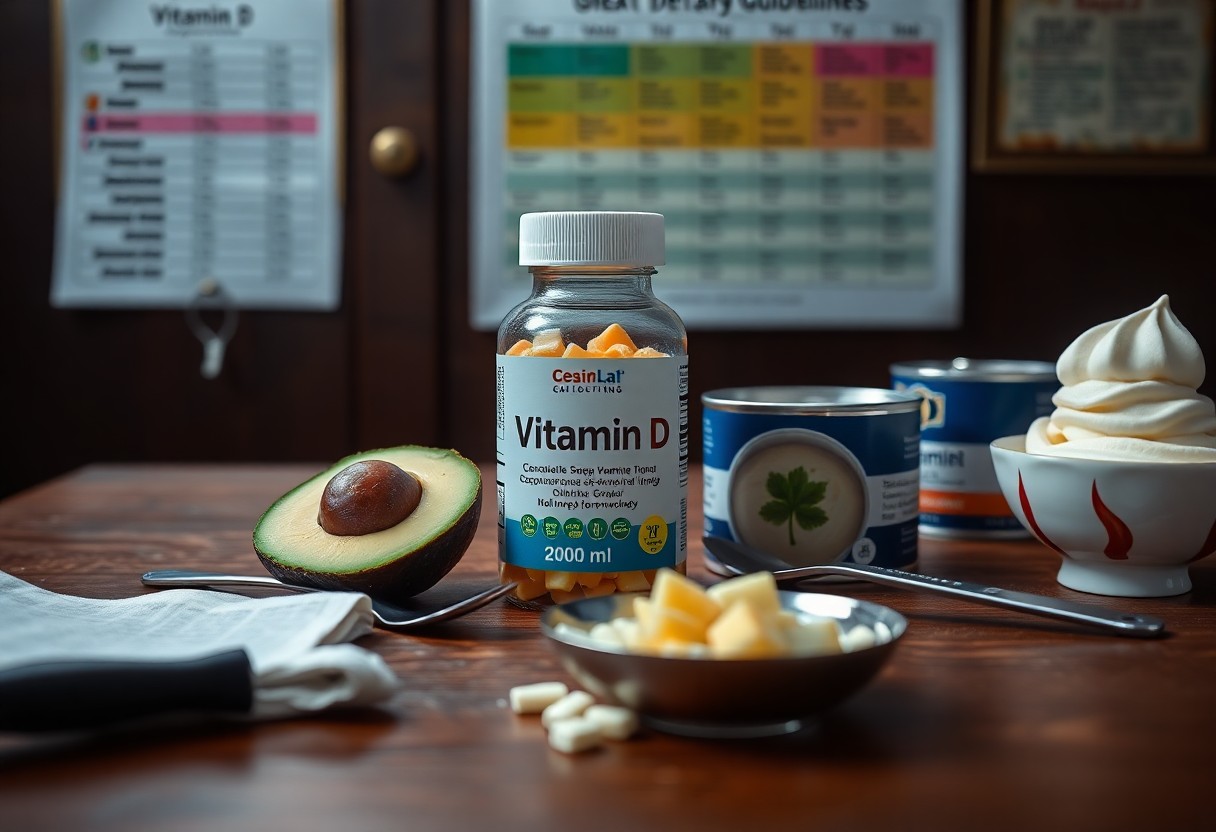
The Unseen Impact of Vitamin D Deficiency
Understanding Widespread Deficiency Trends
A startling number of individuals across various demographics suffer from Vitamin D deficiency. Studies indicate that approximately 42% of the U.S. population has insufficient levels of this important nutrient, with higher prevalence in those living in regions with limited sunlight exposure. Factors such as urbanization, lifestyle changes, and dietary habits further exacerbate this deficiency, underscoring the need for awareness and proactive measures to ensure adequate Vitamin D status.
Health Conditions Linked to Low Vitamin D Levels
Low levels of Vitamin D are increasingly being associated with a myriad of health issues, including osteoporosis, cardiovascular diseases, and autoimmune disorders. Researchers have found that insufficient Vitamin D can compromise bone health by impairing calcium absorption, leading to an increased risk of fractures and other skeletal complications.
The connection between low Vitamin D and health conditions is particularly alarming. For instance, individuals with poor Vitamin D status have shown a higher incidence of chronic diseases such as type 2 diabetes and certain cancers. A meta-analysis revealed that those deficient in this vitamin are at a whopping 40% greater risk of heart disease. Furthermore, Vitamin D’s role in modulating immune function has sparked interest, as studies suggest that low levels may predispose individuals to autoimmune diseases like multiple sclerosis and rheumatoid arthritis. Understanding the implications of Vitamin D deficiency is vital for addressing these chronic conditions effectively.
The Science of Sunlight: How UV Rays Influence Vitamin D Production
The Biochemical Pathway of Vitamin D Synthesis
Exposure to sunlight triggers a fascinating biochemical process within the skin. When ultraviolet B (UVB) rays penetrate the skin, they convert a cholesterol derivative, 7-dehydrocholesterol, into previtamin D3. This compound then undergoes a heat-dependent transformation into vitamin D3, which eventually enters the bloodstream. In the liver and kidneys, vitamin D3 is converted into its active form, calcitriol, which plays a pivotal role in calcium and phosphorus metabolism.
Factors Affecting Vitamin D Synthesis from Sunlight
Various environmental and biological factors influence your body’s ability to synthesize vitamin D from sunlight. Geographic location, time of year, and skin pigmentation all play key roles. For instance, latitude affects UVB exposure, with those living farther from the equator receiving less sunlight during winter months. Additionally, darker skin contains more melanin, which can reduce the efficiency of vitamin D synthesis.
Understanding these nuances is crucial for optimizing vitamin D levels. For example, in winter or at high latitudes, sunlight may not be sufficient for adequate synthesis, making it important to explore dietary sources and supplements. The angle of the sun and the presence of clouds can drastically reduce the amount of UVB reaching your skin, further impacting synthesis. Factors to consider include:
- Geographic location — Proximity to the equator increases sunlight exposure.
- Seasonal variation — Vitamin D synthesis declines in winter months.
- Skin pigmentation — Darker skin absorbs less UVB, reducing synthesis efficiency.
- Time of day — Midday sun is most effective for vitamin D synthesis.
- Clothing and sunscreen — Barriers can significantly inhibit UVB penetration.
Any of these elements can impact your overall vitamin D production significantly, necessitating a proactive approach to maintaining optimal levels through mindful sun exposure, potentially coupled with dietary intake or supplementation when necessary.
Dietary Sources of Vitamin D: Closing the Nutritional Gap
Evaluating Food Sources: Natural vs. Fortified
Natural sources of vitamin D, such as fatty fish, egg yolks, and certain mushrooms, are packed with beneficial nutrients, but often they don’t provide sufficient amounts to meet daily requirements. On the other hand, fortified foods, including dairy products, orange juice, and cereals, can bridge this gap effectively by adding an artificial boost of vitamin D. Understanding the difference allows you to optimize your dietary choices, ensuring you’re not solely reliant on one type of source for your vitamin D intake.
Top Nutrient-Dense Foods for Optimal Vitamin D Intake
To support your vitamin D levels, incorporating nutrient-dense foods into your diet is necessary. Fatty fish, such as salmon and mackerel, provide approximately 570-1000 IU of vitamin D per 3.5 ounces, making them top contenders. Additionally, cod liver oil is particularly potent, offering about 450 IU per teaspoon. Fortified milk and orange juice also contribute significantly, while mushrooms exposed to UV light can deliver surprising amounts as well. With these options, it’s possible to craft a balanced diet rich in vitamin D, helping to mitigate deficiency risks.
When choosing foods for optimal vitamin D intake, I find the best approach is a combination of both natural and fortified sources. Salmon, for instance, not only provides high levels of vitamin D, but is also rich in omega-3 fatty acids which are necessary for overall health. A serving of cod liver oil offers a way to supplement your diet without excessive calories. Additionally, fortified foods like milk often contain additional nutrients that contribute to bone health, creating a synergy that benefits your body. By varying your choices, you can ensure you’re not only meeting your vitamin D needs but also enriching your diet with whole, nutrient-dense options that support your long-term health goals.
The Delicate Balance: Rethinking Supplementation
Assessing the Risks and Benefits of Supplements
Supplements can offer a convenient way to boost your Vitamin D levels, but they come with their own set of issues. Over-supplementation can lead to a condition called hypercalcemia, where high calcium levels in your blood can cause kidney stones, nausea, and confusion. I have seen individuals hesitant to adjust their intake due to potent marketing claims, only to realize that a balanced approach is crucial for optimal health. Weighing these risks against the potential benefits, such as improved bone density and immune function, becomes a necessary step in your health journey.
Guidelines for Choosing the Right Vitamin D Supplement
Selecting a Vitamin D supplement requires attention to quality and absorption factors. Look for products that specify the type of Vitamin D included, with D3 (cholecalciferol) often being more effective than D2. Additionally, pay attention to third-party testing seals to ensure purity, and consider the source of the supplement—whether it is plant-based or animal-derived matters to some individuals.
Beyond just the type of Vitamin D, consider the dosage based on your personal needs and potential blood levels. For instance, the Recommended Dietary Allowance (RDA) for adults is typically set at 600-800 IU daily, but some may require higher amounts based on factors like sun exposure, age, and existing health conditions. Speaking with a healthcare professional can provide tailored advice, ensuring you select a supplement that aligns with your lifestyle while avoiding unnecessary excess. Furthermore, incorporating a product with additional nutrients such as magnesium or vitamin K can enhance absorption, reflecting a comprehensive approach to supplementation rather than just a singular focus on Vitamin D alone.
Regional Variations and Seasonal Effects on Vitamin D Levels
Geographic Influences: Urban vs. Rural Vitamin D Status
Vitamin D synthesis largely depends on sunlight, and geography plays an undeniable role in your vitamin D status. Urban areas, often plagued by pollution and high-rise buildings, can limit sun exposure, diminishing potential vitamin D production. In contrast, rural regions typically offer more unobstructed sunlight, resulting in generally higher vitamin D levels among residents. Studies have shown that rural populations report significantly fewer instances of deficiency, highlighting how your surroundings can dramatically impact your nutritional health.
Seasonality and Its Effect on Sun Exposure and Nutritional Needs
As the seasons change, so too do your vitamin D needs and the ability to obtain it. During winter months, particularly in northern latitudes, skin may not receive adequate sunlight to synthesize sufficient vitamin D levels. This decline underscores the importance of monitoring your serum levels and considering dietary adjustments or supplements to compensate for the lost sunlight. Interestingly, studies reveal that many individuals experience a substantial dip in vitamin D during these colder months, often leading to higher susceptibility to various health issues.
The stark contrast between summer and winter vitamin D production cannot be overlooked. In the summer months, exposure to sunlight between 10 AM and 3 PM is ideal for your body’s production, even on overcast days. Conversely, in winter, especially for those living above the 40th parallel, you might not synthesize any vitamin D from the sun. In such cases, it is vital to prioritize dietary sources rich in this nutrient, such as fatty fish and fortified products, or consider supplementation. Understanding these seasonal fluctuations empowers you to proactively manage your vitamin D levels year-round.
Beyond Bones: Surprising Health Benefits of Adequate Vitamin D
Immune Function and Chronic Disease Prevention
Adequate levels of vitamin D play a pivotal role in supporting immune function, fostering a resilient defense mechanism against various pathogens. Studies have demonstrated that individuals with sufficient vitamin D levels experience a lower incidence of infections, including respiratory illnesses. Additionally, research indicates that vitamin D may contribute to the prevention of chronic diseases such as type 2 diabetes, cardiovascular diseases, and certain cancers. Enhancing your vitamin D intake could have far-reaching implications for long-term health. For practical strategies on elevating your vitamin D levels, explore these Ways to Increase Your Vitamin D Levels.
Mental Health Implications: Vitamin D’s Role in Mood Regulation
The relationship between vitamin D and mental well-being is becoming increasingly evident, as numerous studies suggest a link between low vitamin D levels and an increased risk of mood disorders such as depression and anxiety. An adequate supply of vitamin D influences the production of neurotransmitters, including serotonin, which is vital for mood regulation.
Your mental health can significantly benefit from maintaining optimal vitamin D levels. Research indicates that individuals with low vitamin D levels are more susceptible to experiencing depressive symptoms. A study published in the journal *Psychosomatic Medicine* found that those with insufficient vitamin D had a 300% higher risk of developing depression compared to those with adequate levels. Furthermore, supplementation has shown promise in enhancing mood among individuals diagnosed with depression, suggesting that this nutrient could be a powerful ally in supporting mental health. Engaging with sunlight exposure, considering dietary sources, or choosing supplements could be crucial steps towards achieving a balanced mood and enhanced emotional resilience.
Integrating Vitamin D into a Holistic Health Plan
Strategies for Maximizing Vitamin D Intake
Incorporating foods rich in vitamin D into your diet is an effective strategy. Fatty fish such as salmon, sardines, and mackerel are excellent sources, as are fortified products like milk and orange juice. To enhance absorption, moderate sun exposure is beneficial—approximately 10 to 30 minutes on most days can boost your levels. Supplements can also serve as a practical alternative, particularly for individuals living in areas with limited sunlight. Ultimately, a personalized approach to your vitamin D intake will help you achieve optimal health benefits.
The Interconnectedness of Diet, Lifestyle, and Vitamin D
Vitamin D doesn’t exist in a vacuum; its levels in your body are influenced by your overall diet and lifestyle choices. A well-rounded diet enhances nutrient absorption, while lifestyle factors such as physical activity impact metabolic processes. For example, engaging in weight-bearing exercises can stimulate bone health, which is closely related to vitamin D’s role in calcium absorption. Furthermore, stress management techniques, like mindfulness or yoga, can positively impact overall health, creating a more favorable environment for vitamin D to work effectively in concert with other nutrients.
I’ve come to understand that a balanced lifestyle is crucial to harnessing the full potential of vitamin D. For instance, studies have indicated that individuals who regularly consume fruits, vegetables, and healthy fats experience improved vitamin D metabolism. Additionally, your body’s ability to synthesize vitamin D efficiently hinges on factors like body weight and skin health. Ensuring you maintain optimal hydration and manage stress levels can significantly enhance your body’s absorption and utilization of this vital nutrient. By weaving these elements together, you create a holistic framework that not only maximizes vitamin D intake but also supports your entire health journey.
Future Directions: Research Trends and Emerging Studies
The Role of Personalized Medicine in Vitamin D Optimization
The future of vitamin D optimization lies in personalized medicine, which tailors nutritional recommendations based on individual genetic and metabolic profiles. You may find that genetic variations influence how your body processes vitamin D, leading to differing requirements for supplementation or dietary intake. This approach allows healthcare providers to prescribe personalized strategies that consider your unique physiological characteristics, potentially enhancing the overall effectiveness of vitamin D interventions.
Innovations in Testing and Tracking Vitamin D Levels
Recent advancements in testing methodologies have made it easier to monitor vitamin D levels accurately and conveniently. At-home testing kits are becoming available, allowing you to track your status regularly without the need for laboratory visits. Innovations such as dried blood spot testing offer a practical alternative, providing reliable results from a simple finger prick. These developments not only empower you to take charge of your health but can also foster a deeper understanding of your vitamin D dynamics over time.
Innovative testing methods are evolving at a rapid pace, enhancing both accuracy and accessibility. For instance, emerging technologies now analyze biomarkers related to vitamin D metabolism, allowing for comprehensive assessments beyond just serum levels. The integration of mobile applications that sync with test results helps you visualize your vitamin D journey, offering personalized recommendations. By leveraging these innovations, you can make informed decisions that align with your unique health needs and proactively manage your vitamin D status in a more holistic manner.
Conclusion
The journey towards optimizing my vitamin D intake is an enlightening endeavor that empowers you to elevate your health. By understanding the complexity of nutritional guidelines, I recognize the importance of integrating natural sunlight, dietary sources, and, if necessary, supplements into my routine. Together, we can commence on this quest, embracing scientific knowledge and personal experimentation to unlock the profound benefits that vitamin D holds for our overall wellbeing. Let us navigate this path with curiosity and commitment, striving for a healthier future.
FAQ
Q: What is the recommended daily intake of Vitamin D for adults?
A: The recommended daily intake of Vitamin D varies based on age and individual health needs. Generally, for most adults, the suggested amount is 600 to 800 IU (international units) per day. However, some might require higher doses, especially those with limited sun exposure or specific health conditions. It is advisable to consult with a healthcare provider to determine the best amount for your personal situation.
Q: What are the best food sources of Vitamin D?
A: Foods rich in Vitamin D include fatty fish such as salmon and mackerel, fish liver oils, beef liver, egg yolks, and fortified foods like milk, orange juice, and breakfast cereals. For those with dietary restrictions or preferences, Vitamin D supplements can also provide a viable alternative to maintain adequate levels.
Q: How can sunlight exposure influence Vitamin D levels in the body?
A: Sunlight plays a significant role in the synthesis of Vitamin D in the skin. When exposed to UVB rays, the skin produces Vitamin D, which is why spending time outdoors can enhance levels. Factors such as geographic location, season, time of day, and skin pigmentation can affect how much Vitamin D the body produces from sunlight. Generally, about 10-30 minutes of sun exposure several times a week is beneficial, but it’s important to balance sun exposure with skin protection to minimize the risk of skin damage.